Magenta vs Pink: What’s the Difference?
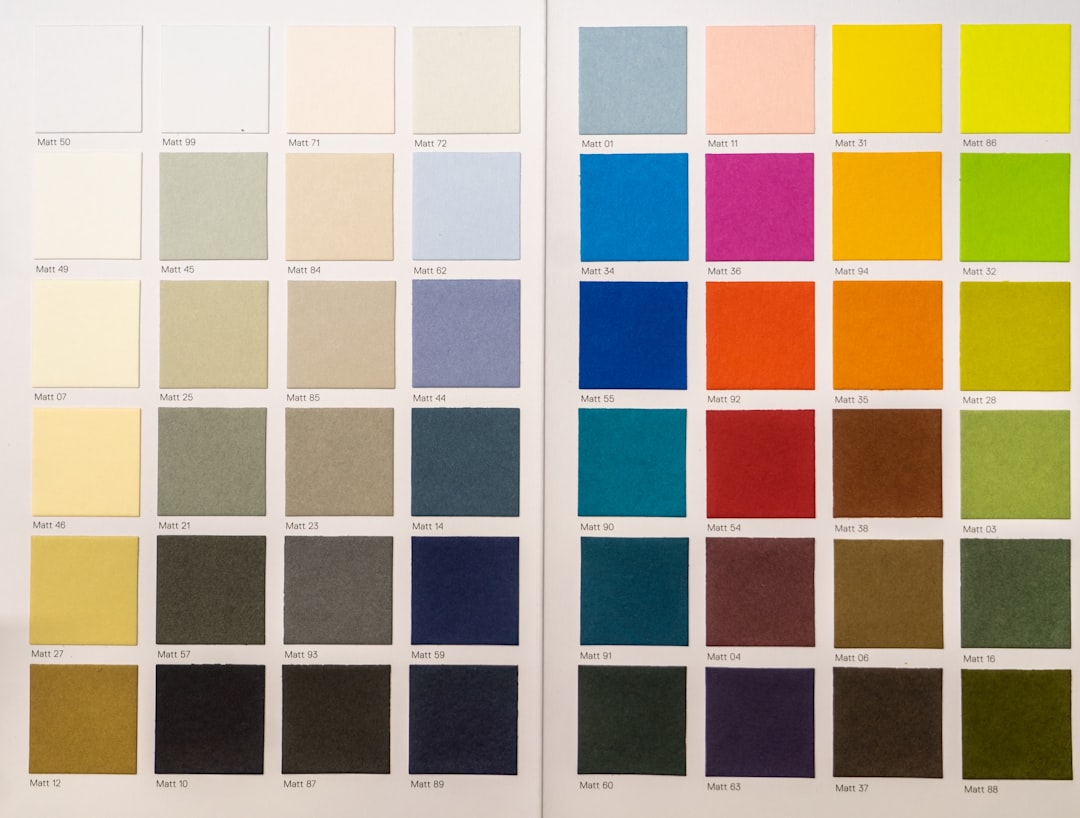
They overlap, but the magenta vs pink distinction has a genuinely technical answer. Magenta is a vivid pink-purple that sits between red and blue, and it’s a defined primary color in both the RGB (screen) and CMYK (print) systems. Pink is broader and softer — any light, desaturated tint of red. Magenta is one precise, electric color; pink is a whole gentle category.
What is magenta?
Magenta is a vivid, saturated pink-purple. In the RGB model its representative value is #FF00FF — equal full red and full blue with no green — which is why it’s also called “fuchsia” in web color names. Magenta is one of the three subtractive primaries in CMYK printing (the “M” in the model), and one of the secondary colors in additive RGB light. That dual role as a printing primary and a screen color makes it the most technically loaded color in this comparison.
One fascinating note: magenta has no single wavelength of light — there is no “magenta” in a rainbow. Our brains construct it from a mix of red and blue, which is why it’s sometimes called a non-spectral or “extra-spectral” color. Designers use magenta for bold, high-energy branding, tech, fashion, and anything that needs maximum vibrancy. For its near-twin, see our fuchsia versus magenta comparison.
What is pink?
Pink isn’t a single color but a family of light, desaturated tints of red. A representative value for a standard pink is #FFC0CB. Pink is created by mixing red with white (or adding lightness and removing saturation), which is why it reads as soft, gentle, and approachable rather than electric. It ranges from pale blush through baby pink to a brighter hot pink, but even hot pink is less saturated and more red-rooted than true magenta.
Pink is the language of softness, sweetness, romance, and warmth, used everywhere from beauty and confectionery to playful and youthful branding. Where magenta shouts, pink soothes. The two meet only at the high-saturation end — “hot pink” is the closest pink gets to magenta’s intensity. For the softer, more muted members of the pink family, our rose versus blush comparison in this batch maps the gentle end of the spectrum.
What’s the difference between magenta and pink?
The difference is saturation, definition, and technical role. Magenta is one vivid, fully saturated pink-purple that functions as a printing and screen primary; pink is a broad family of soft, desaturated red tints. Here’s a side-by-side using representative values — these are descriptive color names, so exact hexes vary, though magenta’s #FF00FF is fixed by the RGB model.
| Property | Magenta | Pink |
|---|---|---|
| Hex code | #FF00FF | #FFC0CB |
| RGB | 255, 0, 255 | 255, 192, 203 |
| CMYK | 0, 100, 0, 0 | 0, 25, 20, 0 |
| Undertone | Cool, purple-leaning | Warm, red-leaning |
| Hue family | Vivid pink-purple (RGB + CMYK primary) | Light tints of red |
| Best used for | Bold tech/fashion branding, high-energy accents, print process | Soft romantic, beauty, confectionery, playful branding |
| Mood/feel | Electric, bold, modern, confident | Soft, sweet, gentle, approachable |
When should you use each?
Choose magenta when you want maximum vibrancy and a modern, confident edge. Its electric pink-purple suits tech, fashion, music, and youth brands, and it makes an unmissable accent against dark or neutral backgrounds. Because it’s a CMYK primary, magenta also reproduces cleanly and intensely in print, which is a practical bonus for bold packaging.
Choose pink when you want softness, warmth, or sweetness. The pink family covers everything from delicate blush backgrounds to playful hot-pink accents, making it endlessly flexible for beauty, lifestyle, confectionery, and friendly branding. Where magenta is one loud note, pink gives you a whole gentle scale to work with.
A quick test: if the color looks like it’s glowing toward purple and can’t be dulled without changing its character, it’s magenta; if it reads as a soft, lightened red, it’s pink. For more on how saturated warm-cool colors behave together, our guide to warm versus cool colors is a useful companion.
Do magenta and pink go together?
Yes — they share the same red-to-purple territory, so they layer into a vivid, energetic palette. Using softer pinks as the base and magenta as the accent gives you a monochromatic scheme with a strong focal point, like a gradient from gentle to electric. The large gap in saturation keeps them clearly distinct, so the pairing reads as bold and intentional.
To temper the intensity, anchor the pair with a deep neutral — charcoal, navy, or near-black — that lets the magenta pop. And if you’re trying to decide whether your bright pink is actually magenta or its close relative fuchsia, our fuchsia versus magenta breakdown settles that exact question.
Why does magenta matter so much in printing?
Magenta’s status as a CMYK primary isn’t trivia — it’s the reason a huge share of the pinks and purples you see in print exist at all. In four-color process printing, every reddish, pinkish, and purplish tone is built by combining magenta ink with cyan, yellow, and black in different proportions. A soft pink is just a light application of magenta (a small percentage screen) on white paper; a rich purple is magenta plus cyan. Pink, in other words, is frequently magenta wearing less of itself.
This is why the two colors feel so related despite their different roles. Pink is not a separate ink in process printing; it’s a tint of the magenta primary. That relationship holds on screen too, where lighter, desaturated pinks are simply magenta-and-red mixes pushed toward white. Recognizing magenta as the parent primary helps explain why hot pink edges so close to magenta while a pale blush sits far away — they’re the same ink family at radically different strengths.
For production, the practical lesson is reproduction reliability. Because magenta is a process primary, it prints at full intensity with no special inks, making vivid magenta one of the most dependable bright colors in CMYK — unlike, say, a true orange or a clean green, which can shift. If your brand needs a bold, consistent pink-purple across both screen and print, building it around magenta rather than a custom pink mix gives you the most predictable result.
Frequently Asked Questions
Is magenta a primary color?
Yes. Magenta is one of the three subtractive primaries in the CMYK printing model — the “M” — and it’s a primary in some color systems while being a secondary in additive RGB light. This technical role is a key reason magenta is distinct from the broader, softer pink family.
What is the hex code for magenta?
Magenta’s hex code is #FF00FF, with RGB values of 255, 0, 255 — full red and full blue, no green. This value is fixed by the RGB model, where it’s identical to the web color “fuchsia,” rather than being a loose descriptive estimate like most named colors.
Is magenta just a bright pink?
Not exactly. Magenta is a fully saturated pink-purple and a defined primary color, while pink is a family of lighter, desaturated tints of red. Hot pink comes close to magenta’s intensity, but true magenta leans more purple and is technically distinct from any softened red tint.
Why is there no magenta in the rainbow?
Magenta has no single wavelength of light, so it never appears in a rainbow or spectrum. Your brain constructs magenta by combining red and blue wavelengths from opposite ends of the spectrum, which is why it’s described as a non-spectral or “extra-spectral” color.
Can magenta and pink be used together?
Yes. They occupy the same red-to-purple region at very different saturations, so soft pink as a base with magenta as an accent creates a vivid, harmonious palette. The wide gap in intensity provides built-in contrast, making the combination read as deliberate and energetic.