Colors That Go With Mustard Yellow
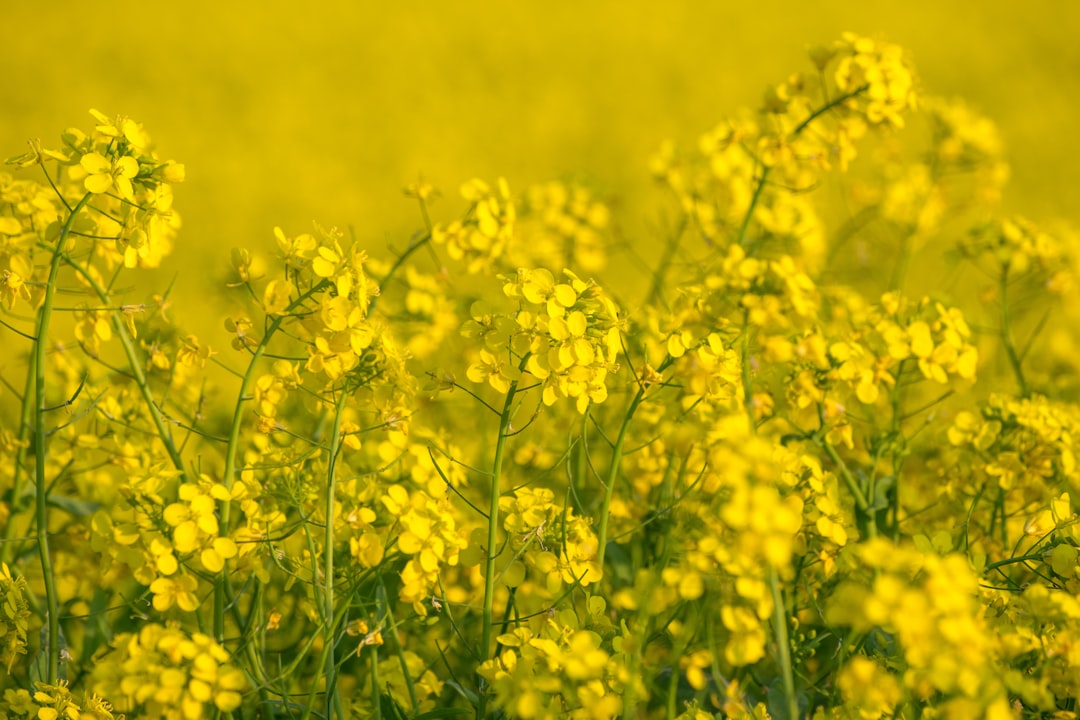
Mustard is a deep, earthy yellow with a golden-brown undertone, which makes it warmer and more wearable than bright yellow. The best colors that go with mustard yellow are cool deep tones like navy, teal, and charcoal, balanced by warm blush and brown. Below are exact hex codes, ready palettes, and notes on using mustard in branding versus interiors.
What colors go with mustard yellow?
Mustard (around #E1AD01) is a muted golden yellow. Because it’s warm and saturated, it shines next to cool, deep colors and grounds nicely with earthy neutrals. The strongest matches are:
- Navy (#1B2A4A) — a deep cool blue near mustard’s complement, giving bold, balanced contrast.
- Teal (#008080) — a blue-green that makes mustard feel vibrant and mid-century modern.
- Charcoal (#36454F) — a near-neutral dark that lets mustard glow while keeping things grounded.
- Blush pink (#F4C9C2) — a soft warm tint for an unexpected, modern contrast.
- Brown (#6F4E37) — a warm earthy neutral that reinforces mustard’s retro, autumnal feel.
- White (#FFFFFF) — clean and bright for a crisp, contemporary version.
Best color combinations for mustard
Mustard is a warm yellow, so cool blues and blue-greens are its natural foils. Navy and teal both sit on the cool side of the wheel near mustard’s complement, which is why they create such satisfying complementary pops. Charcoal, brown, and white are neutrals that let mustard lead, while blush adds a warm, tonal surprise. If you’re weighing how much contrast you want, our warm vs cool colors guide is a useful primer.
Mustard + navy + white (bold modern)
High-contrast and confident. Navy anchors, mustard accents, white keeps it crisp — strong for branding and web.
Mustard + teal + charcoal (retro)
The mid-century classic. Teal and mustard together evoke the 1950s–70s; charcoal modernizes it.
Mustard + blush + brown (warm earthy)
Soft and autumnal. All warm tones for a cozy, lived-in palette popular in interiors and lifestyle brands.
Mustard color palettes (with hex codes)
| Pairing color | Hex | Why it works / mood |
|---|---|---|
| Navy | #1B2A4A | Near-complement; bold balanced contrast |
| Teal | #008080 | Vibrant, mid-century, lively |
| Charcoal | #36454F | Grounding dark; lets mustard glow |
| Blush pink | #F4C9C2 | Soft warm tint; modern surprise |
| Brown | #6F4E37 | Earthy neutral; retro and autumnal |
| White | #FFFFFF | Crisp and bright; contemporary |
| Sage | #9CAF88 | Muted green; calm earthy partner |
Three ready palettes to copy:
- Bold modern: Mustard #E1AD01 · Navy #1B2A4A · White #FFFFFF · Charcoal #36454F
- Retro: Mustard #E1AD01 · Teal #008080 · Charcoal #36454F · Cream #F5EFE6
- Warm earthy: Mustard #E1AD01 · Blush #F4C9C2 · Brown #6F4E37 · Sage #9CAF88
How to build a balanced mustard palette
Mustard is bold for a yellow, so it works best as an accent rather than a dominant field. A dependable structure is roughly 10–20% mustard, 60% neutral (white, cream, or charcoal), and a deeper cool tone like navy or teal for the remaining contrast. In that proportion mustard energizes a palette without tipping into overwhelming or dated territory.
Mustard’s undertone determines its best partners. A greener, olive-leaning mustard sits comfortably with sage, brown, and warm wood for an earthy look, while a brighter, more golden mustard pops hardest against navy and teal. Hold your mustard beside both a navy and a brown swatch to decide whether you’re building a bold modern scheme or a softer retro one.
Be careful with mustard under cool lighting, where it can drift toward green or look slightly muddy; warm light brings out its golden richness. For digital and brand work, mustard is best used as an accent or highlight rather than a large background, since text on mustard often needs to be very dark (charcoal or navy) to stay legible and accessible.
Colors to avoid with mustard
Mustard is distinctive, so some pairings fight it:
- Bright primary yellow or orange — too close in hue and far brighter, making mustard look dull or dirty by comparison.
- Pure black alone — can read harsh and dated; charcoal is a softer dark that flatters mustard better.
- Cool pastel pink or lilac — clashes with mustard’s golden warmth. Choose warm blush instead.
Using mustard in branding vs interiors
In branding, mustard signals warmth, optimism, and a confident, retro-modern personality without the alarm of pure yellow. It works for creative, food, and lifestyle brands. Pair it with navy or charcoal for legible text and use it as an accent rather than a full background. See how to choose brand colors for building the system.
In interiors, mustard adds warmth as an accent chair, throw, or feature wall. It loves teal and navy companions, warm wood, and brown leather for a mid-century look, or blush and sage for something softer. Keep large fields balanced with white or cream. For grounding tones, see our neutral color palette guide, and for an earthy cousin, our colors that go with terracotta guide pairs naturally with mustard schemes.
Frequently Asked Questions
What is the best color to pair with mustard yellow?
Navy blue (#1B2A4A) is the best partner for mustard because it sits near mustard’s complement, creating bold, balanced contrast that feels modern and intentional. Teal (#008080) is a close second for a more retro, mid-century look, and charcoal grounds either combination.
Does mustard yellow go with gray?
Yes, especially charcoal and warm grays. Charcoal (#36454F) is a near-neutral dark that lets mustard glow while keeping the palette grounded and contemporary. Soft warm grays also work as a calm backdrop. Avoid very cool blue-grays, which can make mustard look slightly green.
What colors make mustard look more expensive?
Pairing mustard with deep navy, charcoal, and a touch of brown or cream makes it read refined rather than loud. Using mustard as a controlled accent against these darker, muted tones, plus plenty of white or cream space, gives the palette a considered, premium feel.
Is mustard a warm or cool color?
Mustard is a warm color because it’s a deep, golden yellow with brown undertones. That warmth is exactly why cool partners like navy and teal flatter it so well, and why it blends naturally into earthy, autumnal palettes alongside brown, terracotta, and sage.