Red vs Maroon: What’s the Difference?
In the red vs maroon comparison, maroon is what you get when you take pure red and darken it toward brown. Red (#FF0000) is the loudest, most saturated red on the wheel; maroon (#800000) is that same red dropped to roughly half-brightness, which gives it a rich, brownish-wine character. Below are exact hex codes, the undertones, and when to use each.
What is the difference between red and maroon?
Red ( #FF0000) is pure red — the red channel at full strength with no green or blue. It’s maximally bright and saturated. Maroon ( #800000) keeps that same hue but halves the red channel, producing a dark, muted red with a brownish cast. The hue is essentially identical; what changes is value (maroon is much darker) and the resulting perception of warmth and depth. Maroon often gets confused with burgundy — burgundy leans a touch more purple/wine, while maroon leans browner — but both are dark reds.
What does each color look like?
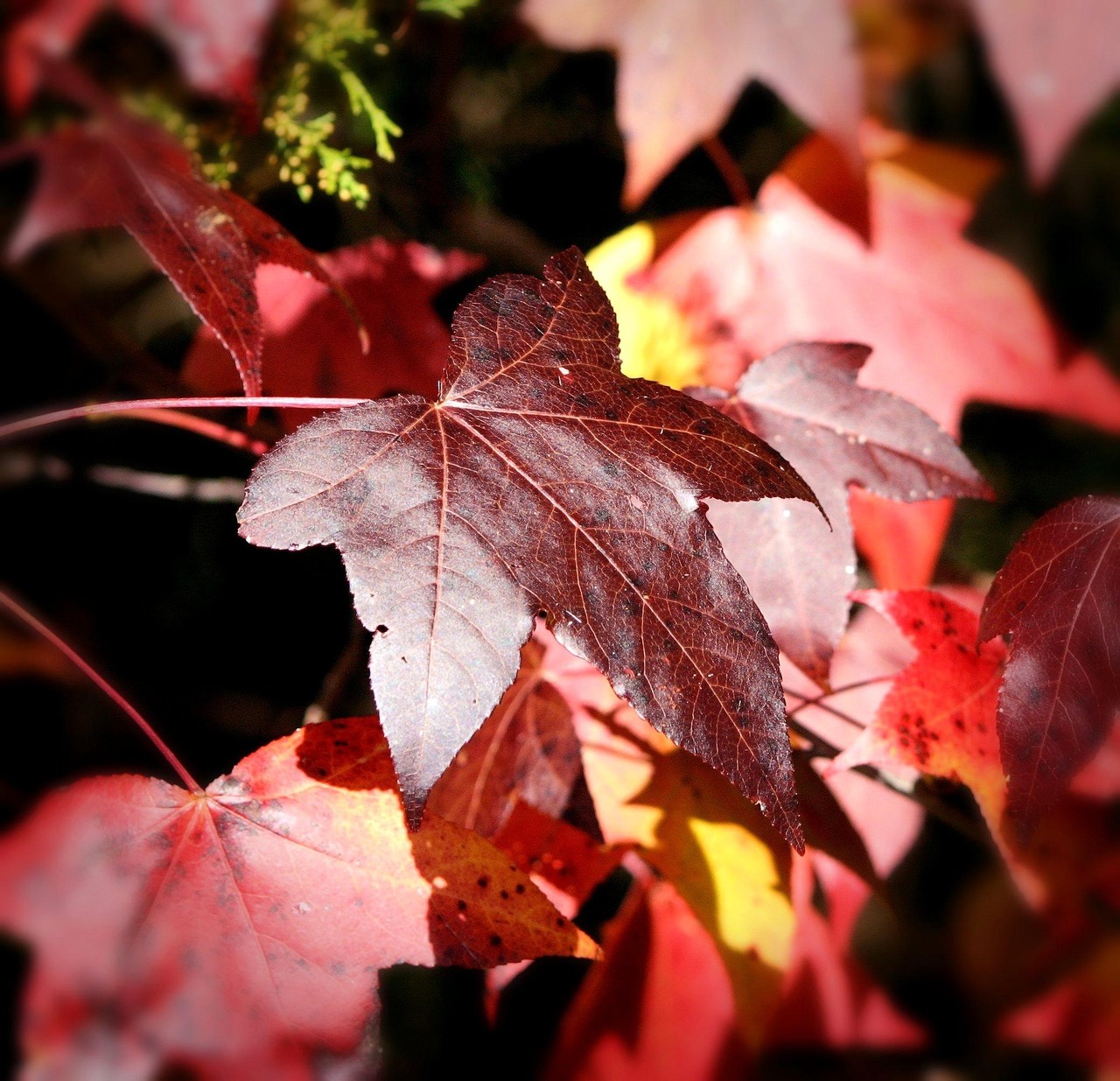
Red looks urgent and energetic — a stop sign, a fire engine, a sale banner. It demands attention and reads as bold and passionate. Maroon looks calm, refined, and a little vintage — think university colors, leather-bound books, autumn wine, and academic crests. Where red shouts, maroon murmurs with authority. The shift from red to maroon is purely a darkening, but psychologically it moves the color from “exciting” to “established.” For the wider family, see our shades of red guide.
Red vs maroon: side-by-side comparison
| Attribute | Red | Maroon |
|---|---|---|
| Hex (representative) | #FF0000 | #800000 |
| RGB | 255, 0, 0 | 128, 0, 0 |
| CMYK (approx.) | 0, 100, 100, 0 | 0, 100, 100, 50 |
| Undertone | Pure / slightly warm | Warm brown |
| Hue family | Red | Red (dark / muted) |
| Best used for | Alerts, sales, energy, sports, food | Heritage, academia, luxury, autumn, hospitality |
| Mood | Bold, urgent, passionate, energetic | Refined, mature, warm, sophisticated |
When should you use each?
Choose red when you want energy, urgency, and immediate attention — calls to action, sale badges, alerts, sports teams, and food branding where appetite and excitement matter. Red is the most attention-grabbing color there is, so it’s perfect when you need the eye to land somewhere first. Just use it sparingly; too much pure red exhausts viewers.
Choose maroon when you want red’s warmth and richness without the loudness — heritage and academic brands, luxury packaging, hospitality, autumn palettes, and anything that should feel established and refined. Maroon is far easier to use across large areas than pure red because it’s restful rather than aggressive. If you need to shout, use red; if you need to convey depth and tradition, use maroon. For the emotional signals, see the meaning of red and our wider color psychology guide.
Do red and maroon go together?
Yes — because they share the same hue, red and maroon form a natural monochromatic pairing. Using maroon as a deep base with bright red as an accent (or red as the base and maroon for shadows and depth) creates a rich, layered single-hue palette. This tonal approach feels cohesive and confident. The main rule is value contrast: keep enough lightness difference between the two so the brighter red still pops against the maroon. For an adjacent dark red, compare maroon with burgundy, and for red’s light tint see our pink vs red comparison.
How to tell red from maroon
Judge brightness and brownness. If the color is vivid, saturated, and grabs your eye instantly, it’s red. If it’s dark, muted, and looks like red mixed with brown or black, it’s maroon. A quick screen test: sample the hex — pure red shows a red value of 255, while maroon’s red value sits around 128 (half), with green and blue still at or near zero. That halved red channel is the signature of maroon.
Red and maroon in branding and culture
The red-vs-maroon choice maps onto two very different brand personalities. Pure red is the color of action and appetite — it dominates fast food, clearance sales, sports, and entertainment because it triggers urgency and excitement and is physically hard to ignore. That same intensity makes it risky for anything that wants to feel calm or premium; large fields of bright red can read as cheap or alarming if used carelessly.
Maroon occupies the opposite emotional register. Its darkness and brownish warmth read as established, scholarly, and refined, which is why it’s a fixture of universities, prep schools, heritage sports teams, and traditional crests — it signals history and belonging. It also reads as understated luxury: wine, leather goods, and hospitality brands use maroon to suggest richness without shouting. Culturally, red leans toward passion, danger, and celebration, while maroon leans toward maturity, ambition, and tradition. When you’re choosing between them, you’re really choosing between energy and gravitas: red to excite and prompt immediate action, maroon to convey depth, longevity, and quiet confidence. Many strong palettes use both, letting maroon carry the brand’s authority while a touch of pure red provides the spark.
Frequently Asked Questions
Is maroon just a dark red?
Essentially yes. Maroon (#800000) is pure red with the brightness reduced by about half, giving a dark, muted, brownish-red. It shares red’s hue but sits much lower in value. So maroon is best understood as a deep, sophisticated shade of red rather than a separate hue.
What’s the difference between maroon and burgundy?
Both are dark reds, but maroon leans browner while burgundy leans more purple or wine-toned. Maroon (#800000) is a darkened pure red; burgundy carries a slight blue/purple shift that makes it feel more wine-like. In practice the names overlap, but burgundy is the cooler, more purple of the two.
Is maroon warm or cool?
Maroon is warm. Because it’s a darkened pure red with a brownish cast, it sits firmly on the warm side of the color wheel. This warmth is part of why maroon feels cozy, autumnal, and rich — well suited to heritage branding, hospitality, and fall palettes.
When should I use maroon instead of red?
Use maroon when you want red’s warmth and emotional weight without its loud, urgent energy. It’s better for large areas, sophisticated or heritage brands, luxury packaging, and autumn themes. Reserve pure red for accents, alerts, and calls to action where you specifically need maximum attention.