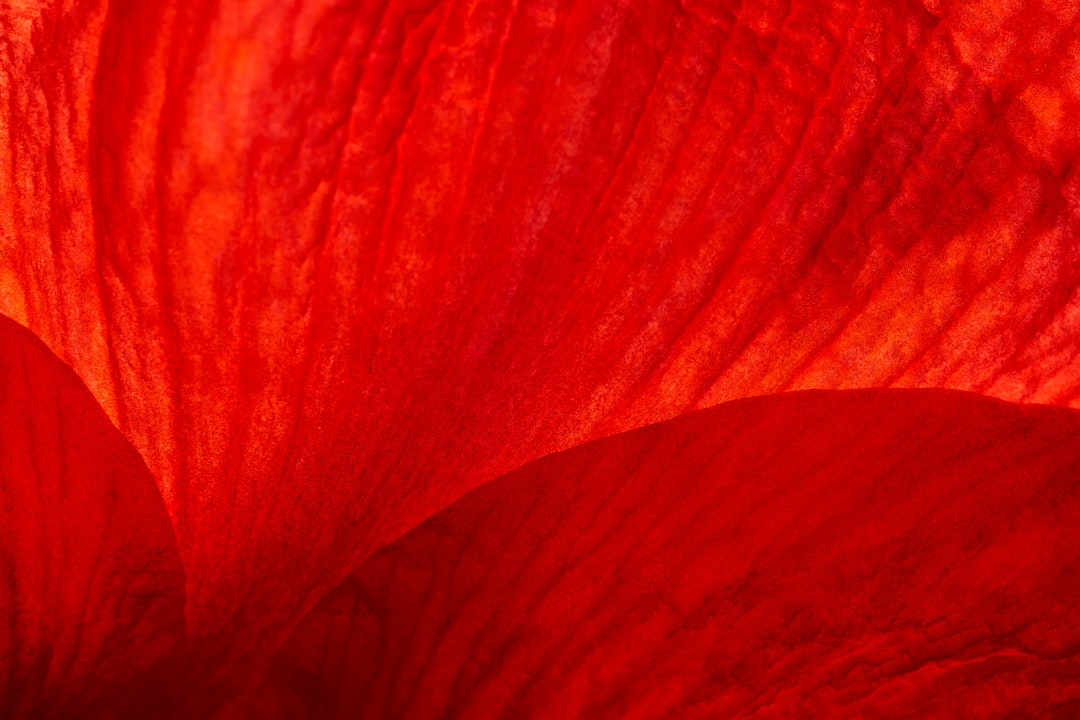
Shades of Red: Names and Hex Codes
There are dozens of recognized shades of red, from fiery scarlets to deep wine burgundies and earthy brick tones. Below is a practitioner reference: each shade with its name, hex code, RGB value, and a note on where it works best. Use it as a swatch library when building a palette, and pair it with our guide to what the color red means when you need the symbolism behind the swatch.
A quick note on terminology, because it matters when you specify color precisely. A shade technically means a hue mixed with black (darker), a tint is a hue mixed with white (lighter, moving toward pink), and a tone is a hue mixed with gray (more muted). In everyday design language — and throughout this guide — “shades of red” covers every named variation, whether it is a bright scarlet, a deep burgundy shade, or a muted brick tone. Red is the most visually aggressive hue in the spectrum: it has the longest wavelength of any color we see and physically draws the eye first, which is why it carries so much weight in design. The hex codes below are established web, X11, and common pigment values you can copy straight into your tools.
Each entry below gives three values so you can use it anywhere: the hex code (for CSS, HTML, and most design tools), the RGB triplet (for screen-based tools that ask for red, green, and blue channels separately), and a short note on the mood and best use of that shade. If you need CMYK or a Pantone match for print, convert from the hex value in your design software, but be aware that highly saturated reds in particular shift noticeably between screen and press, so always check a physical proof before committing a bright red to print.
Bright and pure reds
Bright reds are loud, urgent, and impossible to ignore — the go-to for sales, alerts, food, and bold branding.
| Shade name | Hex | RGB | Notes / use |
|---|---|---|---|
| Red (Primary) | #FF0000 | 255, 0, 0 | Pure RGB red; max energy, use sparingly. |
| Scarlet | #FF2400 | 255, 36, 0 | Fiery orange-red; bold, dramatic. |
| Crimson | #DC143C | 220, 20, 60 | Deep cool red; rich, commanding. |
| Orange Red | #FF4500 | 255, 69, 0 | Hot orange-red; vivid, energetic. |
| Imperial Red | #ED2939 | 237, 41, 57 | Bright flag red; confident, classic. |
| Alizarin Crimson | #E32636 | 227, 38, 54 | Artist’s pigment red; warm, painterly. |
Dark and deep reds
Dark reds signal richness, heritage, and intensity — perfect for luxury, wine, and dramatic identities.
| Shade name | Hex | RGB | Notes / use |
|---|---|---|---|
| Maroon | #800000 | 128, 0, 0 | Brownish dark red; collegiate, classic. |
| Burgundy | #800020 | 128, 0, 32 | Wine red; sophisticated, premium. |
| Ruby | #9B111E | 155, 17, 30 | Deep jewel red; luxury, vivid depth. |
| Dark Red | #8B0000 | 139, 0, 0 | Web-standard deep red; bold, grounded. |
| Wine | #722F37 | 114, 47, 55 | Muted dark red; warm, vintage. |
| Barn Red | #7C0A02 | 124, 10, 2 | Dark earthy red; rustic, traditional. |
| Blood Red | #660000 | 102, 0, 0 | Very deep red; intense, dramatic. |
Pink-leaning and rose reds
Where red lightens toward pink you get roses, cherries, and corals — softer but still warm and inviting.
| Shade name | Hex | RGB | Notes / use |
|---|---|---|---|
| Chili Red | #C21807 | 194, 24, 7 | Warm spicy red; food, lively. |
| Cerise | #DE3163 | 222, 49, 99 | Pink-red; vibrant, modern. |
| Cherry | #C40233 | 196, 2, 51 | Bright pink-red; bold, juicy. |
| American Rose | #FF033E | 255, 3, 62 | Hot pink-red; energetic accent. |
| Raspberry | #E0115F | 224, 17, 95 | Deep pink-red; rich, fruity. |
| Carmine | #960018 | 150, 0, 24 | Deep cool red; historic pigment. |
Earthy and muted reds
Warm, brick, and terracotta-leaning reds feel grounded and natural — great for rustic, heritage, and editorial palettes.
| Shade name | Hex | RGB | Notes / use |
|---|---|---|---|
| Brick Red | #CB4154 | 203, 65, 84 | Muted warm red; earthy, classic. |
| Brown Red | #A52A2A | 165, 42, 42 | Web “brown”; reddish, rustic. |
| Firebrick | #B22222 | 178, 34, 34 | Web-standard muted red; dependable. |
| Terracotta | #E2725B | 226, 114, 91 | Warm clay red; trending, organic. |
| Burnt Orange Red | #CC5500 | 204, 85, 0 | Earthy red-orange; autumnal. |
| Rust | #B7410E | 183, 65, 14 | Oxidized red-brown; warm, vintage. |
What are the most popular shades of red?
The most-used named reds in design are crimson, scarlet, maroon, burgundy, and ruby. Crimson and scarlet bring bright, attention-grabbing energy to food, sales, and entertainment brands; maroon and burgundy convey depth and sophistication for luxury and wine; ruby reads as a rich jewel tone. Bright reds drive urgency, while deep reds project heritage and prestige. The deeper psychology is covered in our color psychology guide.
Red is unusual in that its associations split sharply by context and culture. In Western markets it signals passion, danger, and urgency, which is why it powers clearance sales and warning labels; in much of East Asia it represents luck and celebration, central to weddings and the Lunar New Year. For brands, bright reds dominate fast food and retail because they are appetite-stimulating and impossible to ignore, while deep reds like burgundy and wine have become shorthand for premium spirits, leather goods, and editorial sophistication. Choosing a shade of red is really choosing which of those stories you want to tell.
How to use shades of red in design
Red is the most stimulating color, so use it deliberately. Anchor a palette with one red and balance it with neutrals — pairing crimson accents against cream and charcoal keeps it from overwhelming. For depth, layer a bright red with a deep burgundy; for warmth, pull toward terracotta. Red’s complementary green creates maximum contrast, so reserve it for moments that need to pop.
Practical guidance: because red advances visually, it makes shapes look larger and closer, so a red call-to-action button will out-pull almost any other color — but a fully red background quickly feels overwhelming and can raise anxiety, so use it in measured doses. For readable type, deep reds like dark red (#8B0000) and maroon work on light backgrounds, whereas bright scarlet and pure red strain the eye in long passages. When you need red to feel expensive rather than urgent, desaturate toward burgundy or wine and pair it with gold and cream. Explore neighboring families in our reference on shades of orange and shades of pink.
Frequently Asked Questions
How many shades of red are there?
There is no fixed number — screens can display millions of red gradations. In practical design terms, around 30 to 40 named shades of red are widely recognized, ranging from bright scarlet and crimson through maroon, burgundy, ruby, brick, and rust.
What is the hex code for crimson?
The standard web hex code for crimson is #DC143C, which is RGB 220, 20, 60. It is a deep, slightly cool red defined as a CSS named color, distinct from pure red (#FF0000) by its bluer, richer character.
What is the difference between maroon and burgundy?
Maroon (#800000) is a brownish dark red that leans warm, while burgundy (#800020) is a wine-inspired dark red with a cooler, purple undertone. Maroon feels collegiate and earthy; burgundy feels refined and luxurious.
Which shade of red is best for a logo?
For energy and appetite appeal, bright reds like scarlet (#FF2400) or imperial red (#ED2939) work well for food and retail. For luxury and heritage, deep reds like burgundy (#800020) and ruby (#9B111E) convey sophistication. Choose by the urgency versus prestige balance you want.
What colors go well with red?
Red pairs powerfully with neutrals — white, black, charcoal, and cream let it dominate cleanly. Gold and cream elevate deep reds for luxury, while navy creates a bold patriotic contrast. For a softer palette, pair red with blush pink or warm beige.


