Colors That Go With Rust
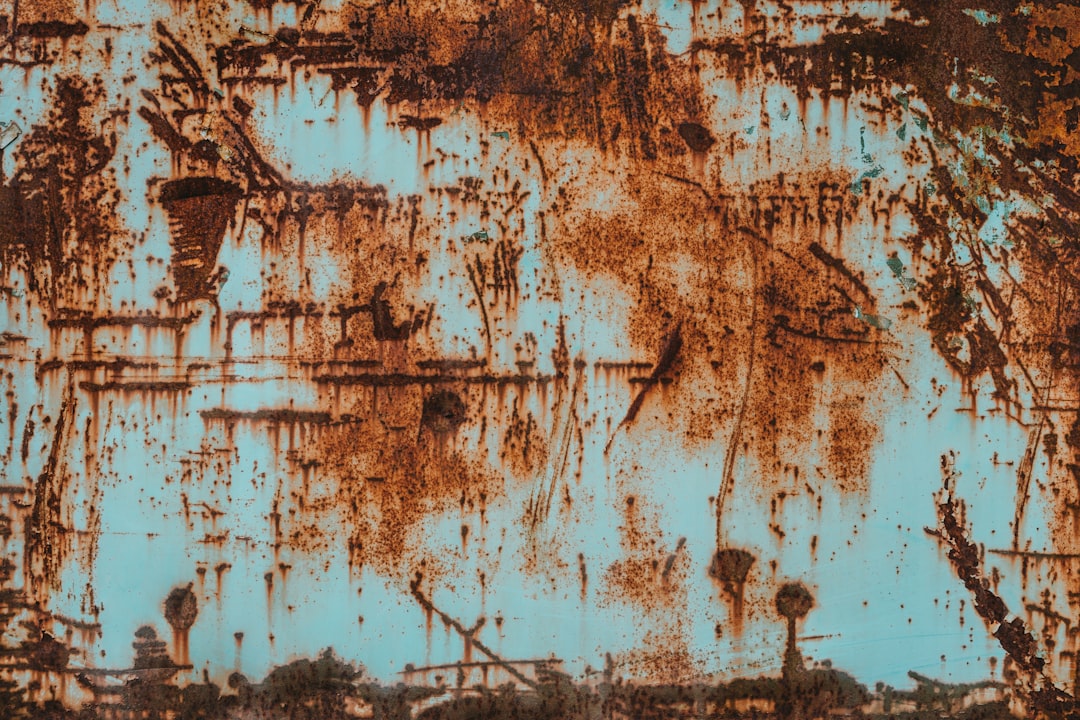
Rust is a deep, burnt orange-brown — the color of weathered iron, warm, earthy, and grounded. The best colors that go with rust are cool blues and blue-greens like teal and navy, balanced by warm neutrals and earth tones such as cream, sage, mustard, and olive. Below are exact hex codes, ready palettes, and notes on using rust in branding, web design, and interiors.
What colors go with rust?
Rust (around #B7410E) is a dark, muted orange with brown depth. Because it’s warm and earthy, it pairs best with cool contrasts and other natural earth tones. The strongest matches are:
- Teal (#008080) — a blue-green near rust’s complement, for vivid, contemporary contrast.
- Navy (#1B2A4A) — a deep cool blue that gives rust crisp, sophisticated contrast.
- Cream (#F5EFE6) — a warm off-white that softens rust and keeps a palette airy.
- Sage green (#9CAF88) — a muted cool green that balances rust for a natural, organic look.
- Mustard (#D4A017) — a warm golden-yellow that deepens rust into a rich autumnal palette.
- Olive (#708238) — an earthy green-yellow that sits beautifully alongside rust’s warmth.
Best color combinations for rust
Rust is an earthy orange, so blue and blue-green sit opposite it on the wheel and act as natural complementary colors — teal and navy are the standout cool contrasts. Mustard and olive are warm earth tones that read analogous, while sage and cream keep things soft. Because rust, orange, and terracotta overlap, see rust vs orange and terracotta vs rust to confirm your exact tone. Rust also shares many partners with brighter orange — compare our colors that go with orange guide.
Rust + teal + cream (vibrant boho)
The liveliest pairing. Teal pops against rust while cream keeps it from going heavy — a favorite for eclectic, creative looks.
Rust + navy + cream (crisp and modern)
More structured and graphic. Navy sharpens rust for confident branding and contemporary interiors.
Rust + mustard + olive (warm autumnal)
A tonal earth-tone scheme. Mustard and olive deepen rust into a rich, seasonal palette — ideal for food, craft, and fall branding.
Rust palettes with hex codes
| Pairing color | Hex | Why it works / mood |
|---|---|---|
| Teal | #008080 | Near-complement; vivid contrast |
| Navy | #1B2A4A | Deep cool contrast; sophisticated |
| Cream | #F5EFE6 | Warm neutral; soft and airy |
| Sage green | #9CAF88 | Muted cool green; natural balance |
| Mustard | #D4A017 | Warm gold; rich autumnal |
| Olive | #708238 | Earthy green; tonal warmth |
| Brown | #6F4E37 | Warm neutral; earthy depth |
Three ready palettes to copy:
- Vibrant boho: Rust #B7410E · Teal #008080 · Cream #F5EFE6 · Sage #9CAF88
- Crisp modern: Rust #B7410E · Navy #1B2A4A · Cream #F5EFE6 · Brown #6F4E37
- Warm autumnal: Rust #B7410E · Mustard #D4A017 · Olive #708238 · Cream #F5EFE6
How to build a balanced rust palette
Rust is deep and saturated, so it works well as a grounding base or a strong accent. A reliable structure is roughly 30% rust, 50–60% soft neutral (cream and white), and 10–20% a cool contrast (teal, navy) or earth-tone accent (mustard, olive, sage). That balance keeps rust feeling rich and organic rather than heavy.
Rust’s undertone changes its best partners. A browner, more burnt rust (closer to #B7410E) leans toward navy, brown, and olive for depth, while a brighter, more orange rust pairs with teal and cream for contrast. Hold your tone against both a terracotta and a bright orange swatch to see which way it pulls; the terracotta vs rust distinction will guide your accent.
For digital and brand use, rust works as a warm accent or deep background with cream or white text on top — it has enough contrast against light type to stay readable. Avoid mid-tone text on rust, which often fails accessibility. Understanding whether your scheme leans warm or cool helps you pick the right contrast; see warm vs cool colors.
Colors to avoid with rust
Rust is rich and warm, so a few combinations fight it:
- Bright orange or true red — too close in hue and brighter, so rust looks muddy beside them.
- Cool pastel blue or lilac — can feel chilly and disconnected from rust’s earthiness; choose teal or navy instead.
- Pure black alone — heavy and harsh; brown or charcoal flatter rust far better as a dark partner.
Rust in branding vs interiors
In branding, rust signals warmth, craft, heritage, and earthiness, which suits wellness, food, ceramics, and outdoor or lifestyle brands. Pair it with cream and a teal or navy for legible contrast, and use olive or mustard as a grounding accent. For the full process, see how to choose brand colors.
In interiors, rust is a favorite for upholstery, rugs, walls, and textiles. It loves sage foliage, cream linen, warm wood, and rattan, with teal or navy as a bolder accent. Keep large rust fields balanced with plenty of cream and white so the room stays warm and inviting rather than dim.
Frequently Asked Questions
What is the best color to pair with rust?
Teal (#008080) is the best partner for rust because it sits near rust’s complement, creating a vivid, balanced warm-cool contrast. Navy offers a deeper, more sophisticated version of the same cool contrast, while cream and sage are the softest neutrals for an earthy, organic palette.
Does rust go with gray?
Yes, especially warm grays and greige. They keep rust grounded and contemporary without competing with its warmth. Cool blue-grays work less well, since they can feel chilly against rust’s earthiness; charcoal and warm taupe are safer, more flattering neutral choices.
What colors go with rust in a living room?
Sage green, cream, warm wood, and rattan create the most popular rust living-room palette — soft and organic. For more contrast, add teal or navy accents through cushions or art. Plenty of cream and white keeps the warm tones from feeling heavy in a large space.
Is rust a warm or cool color?
Rust is a warm color because it is a deep, burnt orange with brown undertones. That warmth is why cool partners like teal and navy balance it so effectively, and why it blends seamlessly into earthy palettes with cream, sage, mustard, and olive.