Jade vs Green: What’s the Difference?
The jade vs green comparison pits a specific gemstone shade against the whole hue family. Jade is a calm, blue-leaning green with a soft, slightly grayed character, named after the ornamental stone. Pure green is the balanced reference hue with no blue or yellow bias. Side by side, jade looks cooler and more muted, while pure green looks neutral and foundational.
What is jade?
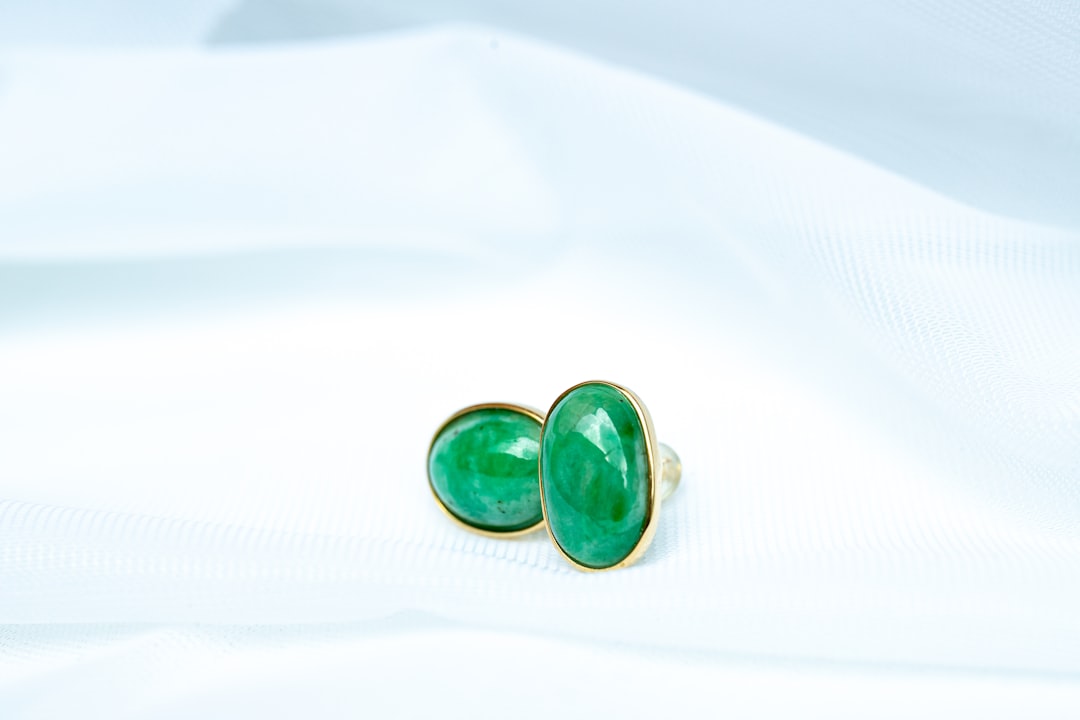
Jade is a muted, blue-green shade named after the gemstone prized in East Asian art and jewelry. A common value is #00A86B, a medium green with a clear blue lean and a softer, less electric quality than a pure spring green. That gentle, gemstone character is why jade reads as serene and refined rather than loud. It is cool but approachable, which makes it a popular choice for wellness, beauty, and heritage-luxury branding where the goal is calm sophistication rather than high-energy vibrancy.
If you are weighing jade against its brighter cousin, our comparison of emerald vs teal covers how jewel-toned greens shift in brightness and hue lean.
What is green?
Green in its pure form is the secondary hue made from equal blue and yellow, sitting opposite red on the color wheel. The CSS keyword “green” is #008000 — a mid-dark, balanced green with no obvious lean. As a hue family, “green” spans lime, mint, forest, olive, and more; jade is just one cool, muted point within it. Pure green is the neutral reference against which we describe other greens as warmer, cooler, brighter, or grayer.
The defining contrast: jade is one specific, soft, blue-leaning shade, while green is the entire hue category. For the full spectrum, our shades of green guide maps how greens move from yellow-leaning to blue-leaning.
What’s the difference between jade and green?
The defining differences are scope, temperature, and saturation. Jade is a narrow, blue-leaning, slightly grayed shade; pure green is the broad, balanced, fully saturated parent hue. Jade soothes and signals refinement; green reads neutral and natural. Here is a side-by-side with representative values — neither is a fixed brand standard, so exact hexes vary.
| Property | Jade | Green |
|---|---|---|
| Hex code | #00A86B | #008000 |
| RGB | 0, 168, 107 | 0, 128, 0 |
| CMYK | 100, 0, 36, 34 | 100, 0, 100, 50 |
| Undertone | Cool, blue lean (slightly grayed) | Balanced, neutral |
| Hue family | Blue-green (gemstone) | Green (the parent hue) |
| Best used for | Wellness, beauty, heritage luxury, calm accents | Natural/eco branding, signage, broad fills |
| Mood/feel | Serene, refined, balanced, healing | Natural, grounded, universal, fresh |
When should you use each?
Use jade when you want a calm, cultivated green with a cool, gemstone character. Its muted blue lean suits wellness and spa brands, beauty packaging, heritage-luxury identities, and soft UI accents where the green should feel soothing rather than loud. Jade pairs beautifully with cream, gold, warm wood tones, and soft white.
Use pure green when you want a balanced, universally readable color that signals nature, growth, or “go.” It suits eco and outdoor branding, wayfinding and signage, success states in UI, and any context where the green should feel grounded. Pure green pairs reliably with white, brown, and earthy neutrals.
To tell them apart in practice, check saturation and temperature. Jade is softer, cooler, and slightly grayed; pure green is more vivid and neutral. If you are balancing these greens against warm accents, our guide to warm vs cool colors explains how to keep a green palette feeling fresh rather than cold.
How are jade and green used across design?
In branding, jade signals serenity, refinement, and heritage — it appears in wellness, beauty, and premium lifestyle brands that want a calm, cultivated identity. Pure green signals nature, health, and trust, favored by eco, grocery, and outdoor brands that want an honest, approachable feel. The choice maps onto whether a brand wants to read tranquil-refined or down-to-earth, a distinction explored in our green color meaning guide.
In fashion, jade is a flattering, sophisticated color for blouses, knits, and accessories, reading rich without being flashy. Pure green is more of an everyday, versatile hue for casual and workwear pieces. Both are green, but jade adds quiet elegance while pure green stays comfortably neutral.
In interiors and web design, jade works as a soothing mid-tone — cabinetry, tilework, soft accent walls, and calm UI surfaces — because its muted depth is easy to live with. Pure green is better for outdoor branding and high-visibility signage where a clear, balanced green communicates instantly. Print behavior differs too: jade’s slightly grayed, cooler mix tends to reproduce predictably, while a fully saturated pure green can shift when converting between RGB and CMYK, so brand-critical greens benefit from a proof.
Do jade and green go together?
Yes — because jade belongs to the green family, it harmonizes naturally with pure green in a tonal scheme. Pure green provides a grounded mid-tone base while jade adds a softer, cooler, more refined layer, creating depth without clashing. Add cream or gold to warm the combination, and keep a clear hierarchy: use pure green for broad areas and jade for calm accents. See our color psychology guide for why layered greens feel both fresh and reassuring.
Frequently Asked Questions
Is jade the same as green?
No. Jade is a specific muted, blue-leaning shade of green (around #00A86B), while “green” is the broad hue family and its pure reference value (around #008000). Jade is always green, but most greens are not jade. The difference is scope: jade is one soft, gemstone-toned member of the larger green category.
Is jade a warm or cool green?
Jade is a cool green. It carries a clear blue lean plus a slight grayed softness, placing it firmly on the cooler, calmer side of the green family. Pure green is more balanced and neutral, so jade reads noticeably cooler and more muted in direct comparison.
What is the hex code for jade?
A commonly cited value is #00A86B, a medium blue-green with a soft, gemstone character. Jade is not a fixed color standard, so brand and paint versions vary around this value, sometimes lighter or grayer. The CSS keyword “green” is the separate, darker #008000. Confirm against brand guidelines for production.
Is jade greener or bluer than pure green?
Jade is bluer than pure green. Jade leans toward the blue side of the green family and carries a slight gray softness, while the CSS keyword green is balanced and neutral. So although both are greens, jade is the cooler, more blue-leaning one and pure green is the more neutral reference.
Do jade and green go together?
Yes, very well. Because jade is part of the green family, the two form a natural tonal pairing. Pure green provides a grounded base while jade adds a softer, cooler layer. The combination reads calm and cohesive; add cream or gold as a warm neutral and keep a clear light-to-dark hierarchy.