Rose Color Meaning and Symbolism
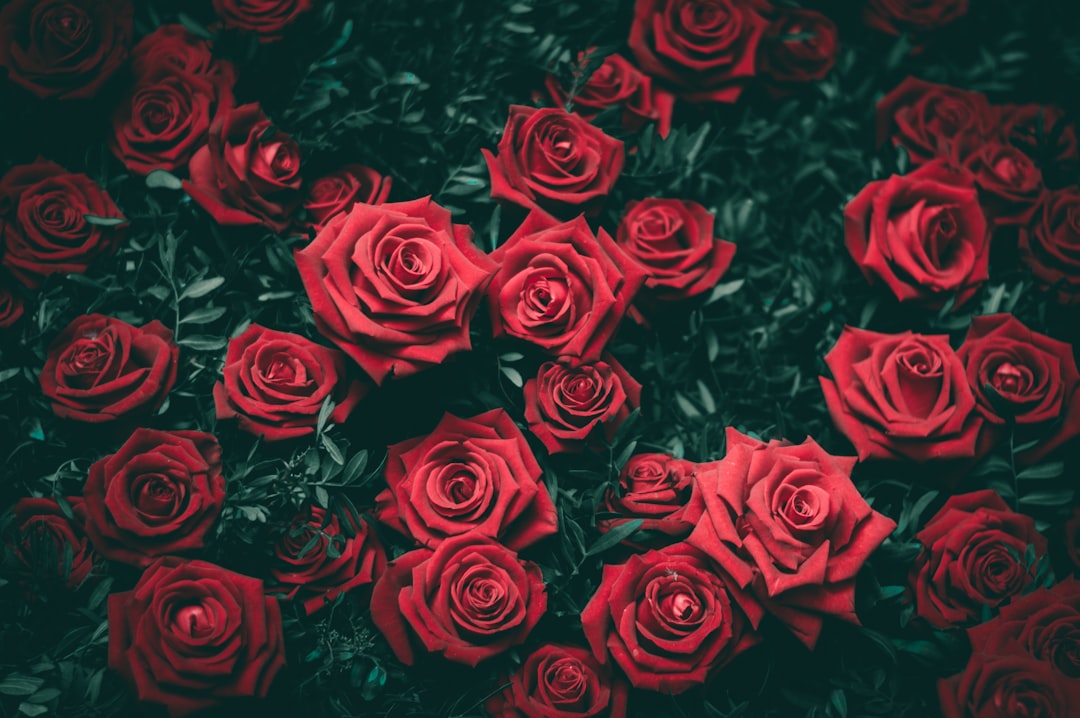
Rose is a pink-red color named after the flower, ranging from deep, vivid rose to delicate blush. The rose color meaning revolves around love and tenderness: it takes the passion of red and lightens it into affection, grace and gentle warmth. Depending on intensity it can feel romantic and bold or soft and nurturing. A bright rose sits around #FF007F , while a gentler, sweeter rose reads near #FF66CC .
What does rose symbolize?
Rose symbolizes love, romance, grace, femininity and gentleness. As a pink-red it inherits red’s emotional warmth but expresses it as tenderness and care rather than raw intensity. The rose flower has been a universal emblem of love and beauty for centuries, deepening the color’s romantic and affectionate associations. Rose also represents compassion, kindness and refinement, and in softer tones it conveys sweetness, innocence and nurturing comfort, making it one of the most emotionally warm colors in the spectrum.
The exact symbolism shifts with intensity. Deep, saturated rose leans toward passion, glamour and confident romance, closer to its red parent, while pale blush rose emphasizes innocence, calm and gentle care. This range lets a single color family express everything from bold declarations of love to the quiet comfort of a nursery, which is why rose appears across such a wide emotional spectrum, from grand romantic gestures to soothing, restful interiors.
The psychology of rose
Psychologically, rose is calming, comforting and emotionally warm. Pinks and rose tones are widely associated with nurturing, reassurance and a sense of safety, and they tend to soften aggression and soothe rather than excite. Brighter rose carries more energy and confidence, reading as playful or romantic, while pale rose feels gentle, tender and approachable. The color encourages feelings of affection and empathy, which is why it appears so often in contexts meant to feel caring, intimate or kind, a pattern explored throughout color psychology.
Rose symbolism across cultures
Rose’s symbolism is tied closely to the flower and to pink and red traditions, which vary by culture. In Western contexts the rose and its color strongly signify love, romance and beauty, with different rose hues carrying nuanced meanings in floral tradition. Pink and rose tones are broadly linked to femininity and tenderness in many modern societies, though this gendered association is relatively recent and culturally specific. In some traditions deep rose reds also connote celebration and devotion. Because meanings shift, rose is best read within its particular cultural and emotional setting.
Positive and negative associations of rose
| Positive | Negative |
|---|---|
| Love and romance | Over-sweetness or sentimentality |
| Grace and elegance | Perceived as overly girlish |
| Compassion and gentleness | Naivety or lack of seriousness |
| Warmth and nurturing | Superficiality if overused |
Rose in branding and marketing
Brands use rose to convey warmth, romance, elegance and care. It is popular in beauty, cosmetics, fashion, floristry, weddings, confectionery and lifestyle sectors, where tenderness and refinement resonate. Deeper rose tones project confident femininity and modern luxury, while soft blush rose feels gentle, approachable and premium. Rose gold in particular has become a fashionable signal of stylish sophistication. Marketers often pair rose with neutrals or metallics to keep it looking elegant rather than overly sweet, tailoring intensity to the brand’s personality.
Colors that go well with rose
Rose pairs beautifully with both grounding and contrasting partners. Deep green or sage (#9CAF88) recalls leaves and stems, balancing rose with natural calm. Soft gray (#BFBFBF) makes rose feel modern and sophisticated. Cream or ivory (#FBF3E0) keeps it light and romantic. For bolder contrast, teal or cyan (#00B5B5) energizes rose with cool opposition. These pairings draw on the balance and contrast ideas in color theory.
Shades and variations of rose
Rose covers a wide pink-red family. Blush (#FFC0CB) is pale and delicate. Dusty rose (#C08081) is muted and vintage. Rose gold (#B76E79) blends pink with metallic warmth. Rose red (#C21E56) is deep and vivid, while old rose (#C08081 to #AC8181) reads soft and antique. Mauve rose (#B784A7) shifts toward purple, and hot rose (#FF007F) is the brightest, most saturated version.
Frequently Asked Questions
What does the color rose mean?
Rose means love, romance, grace and gentleness. As a pink-red it softens red’s passion into tenderness and affection, drawing on the rose flower’s long history as a symbol of love and beauty. It also represents compassion, femininity and refinement, making it one of the warmest, most emotionally caring colors.
What emotions does rose evoke?
Rose evokes affection, comfort, warmth and calm. Softer rose tones feel nurturing and soothing, easing tension, while brighter rose feels romantic, playful and confident. The color encourages empathy and tenderness, which is why it is so common in caring, intimate and romantic settings.
What colors go with rose?
Rose pairs well with sage or deep green for a natural balance, gray for modern sophistication, cream for soft romance, and teal or cyan for bold cool contrast. Neutrals and metallics keep rose elegant, while green and cool tones provide refreshing, flattering opposition.
Is rose warm or cool?
Rose is generally a warm color because of its red base, though cooler, bluer roses like mauve can lean toward neutral. Most rose tones feel warm, inviting and gentle. Our guide to warm versus cool colors explains how pink-reds are classified.
What is the difference between rose and pink?
Rose is a specific pink-red that leans richer and slightly more red than typical pink, and it is named after the flower. Pink is the broader, often lighter category. Rose tends to feel more elegant and romantic, while general pink can range from pale and sweet to bright and playful.