Sage Color Meaning and Symbolism
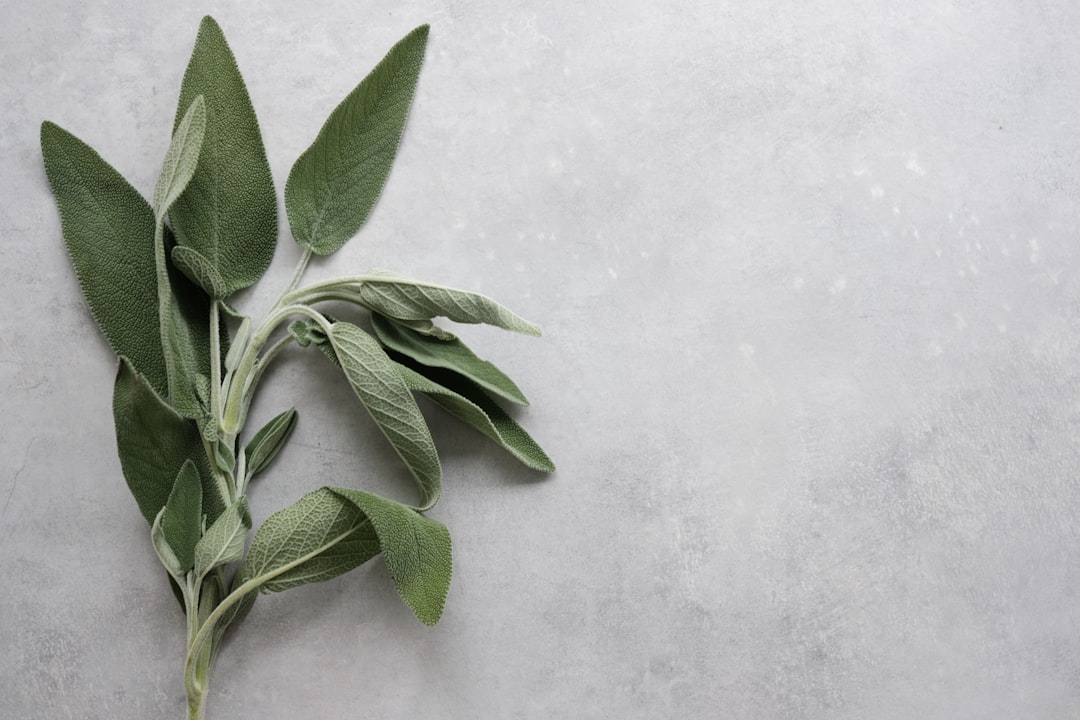
Sage is a soft, muted gray-green named after the aromatic herb, and it has become one of the most popular colors in contemporary interiors and design. The sage color meaning centers on calm and balance: it takes green’s associations with nature, health and renewal and tempers them with gray’s quiet maturity, producing a hue that feels restful and grounded. At about #9CAF88 , sage reads as understated, organic and timeless rather than loud or trendy.
What does sage symbolize?
Sage symbolizes wisdom, tranquility, balance, healing and renewal. The very name evokes the wise “sage,” and the color’s herbal roots tie it to cleansing, protection and well-being. As a desaturated green it represents nature in a calm, mature form, suggesting stability, harmony and quiet growth rather than vivid energy. Sage is often associated with mindfulness, self-care and a return to natural, grounded living, which is why it has become shorthand for serene, intentional spaces.
Sage also carries connotations of timelessness and understatement. Unlike trend-driven brights, it feels established and dependable, the color of weathered foliage, dried herbs and aged patina rather than fleeting fashion. This gives sage a sense of quiet confidence and authenticity; it does not demand attention but rewards it, signaling taste, restraint and a preference for substance over spectacle. That subtlety is a large part of why it reads as both calming and quietly luxurious.
The psychology of sage
Psychologically, sage is soothing and stabilizing. Green is the most restful color for the human eye, and the gray in sage softens it further, lowering stimulation and encouraging relaxation. It promotes a sense of balance, patience and clear-headed calm, making it ideal for environments meant to reduce stress. Because it is muted, sage rarely feels overwhelming; instead it provides a quiet, reassuring backdrop that supports focus and emotional steadiness, qualities consistent with the restorative effects of green described in color psychology.
Sage symbolism across cultures
Sage’s meanings draw on both the color green and the herb itself. Across many traditions green symbolizes life, fertility, health and renewal, and the sage plant specifically has long been used for cleansing, healing and protection, from culinary and medicinal use in Europe to smudging practices in some Indigenous American cultures. The color therefore carries connotations of purification and well-being in addition to general associations with nature. As with other greens, exact symbolism varies by culture, so sage is best read as a calm, restorative tone within its specific context.
Positive and negative associations of sage
| Positive | Negative |
|---|---|
| Calm and tranquility | Dullness or blandness |
| Balance and stability | Lack of energy or excitement |
| Wisdom and maturity | Drabness if overused |
| Healing and renewal | Perceived as muted or understated |
Sage in branding and marketing
Brands use sage to project calm, trust, sustainability and refined simplicity. It is popular in wellness, beauty, skincare, home goods, organic food and lifestyle sectors, where natural, soothing and health-conscious values matter. Sage signals that a brand is grounded, mindful and environmentally aware without shouting, lending a sense of quiet luxury and authenticity. Because it is soft and neutral-leaning, sage works beautifully as a primary brand color or backdrop, pairing easily with creams and woods for an earthy, premium aesthetic. Its rise alongside the “quiet luxury” and slow-living movements has made it a near-universal shorthand for products that promise to be gentle, considered and good for both the user and the planet.
Colors that go well with sage
Sage harmonizes with warm, earthy and soft partners. Cream or off-white (#F5F0E1) creates a fresh, airy and natural look. Terracotta or warm clay (#C97B5A) adds cozy, grounded contrast for an earthy palette. Soft blush or rose (#E8B4B8) gives a gentle, romantic balance. Warm wood browns (#8B6F47) reinforce sage’s organic calm. These understated pairings reflect the harmony principles covered in color theory.
Shades and variations of sage
Sage spans a range of soft greens. Sage green (#9CAF88) is the classic mid-tone. Eucalyptus (#A5B79F) is slightly cooler and grayer. Sea sage or soft moss (#8A9A5B) leans more yellow and earthy. Pale sage (#C3CBB6) is lighter and airier, dark sage (#6B7B5A) reads deeper and more grounded, and gray sage (#B2AC88) shifts toward a dusty, neutral greige.
Frequently Asked Questions
What does the color sage mean?
Sage means calm, balance, wisdom, healing and renewal. As a muted gray-green it blends nature’s growth with quiet maturity, producing a grounding, restful hue. Tied to the sage herb, it also carries connotations of cleansing, protection and well-being, making it a symbol of serene, intentional living.
What emotions does sage evoke?
Sage evokes calm, balance and reassurance. Its restful green base and softening gray lower stimulation, encouraging relaxation, patience and clear-headed steadiness. People often find it grounding and mature, which is why it suits wellness spaces and any setting designed to feel peaceful and stress-reducing.
What colors go with sage?
Sage pairs well with cream and off-white for an airy look, terracotta and warm wood for earthy contrast, and soft blush or rose for gentle romance. These warm, natural partners complement sage’s calm tone and create the grounded, premium palettes seen in modern interiors.
Is sage warm or cool?
Sage is a cool color overall, since it is green-based, but its gray and slight yellow undertones give it a soft, almost neutral warmth. This balance lets it feel calming yet cozy. See warm versus cool colors for how muted hues straddle the line.
Why is sage green so popular?
Sage green is popular because it feels calming, natural and timeless without being flashy. It aligns with wellness, sustainability and “quiet luxury” trends, pairs easily with neutrals and woods, and works across interiors, fashion and branding. Its restful, grounded character makes it a versatile, enduring choice.