Charcoal Color Meaning and Symbolism
Charcoal is the color of burnt wood, graphite, and storm clouds, a dark, grounded gray with a subtle blue undertone. As a neutral, charcoal color meaning centers on sophistication, strength, and quiet professionalism . It delivers much of the power and seriousness of black but reads as softer, warmer, and more approachable, which is exactly why designers reach for it when pure black feels too severe. Represented by hex #36454F, charcoal sits at the elegant intersection of gray and near-black, projecting modern authority and restraint.
What does charcoal symbolize?
Charcoal symbolizes stability, authority, and understated power. It carries gray’s associations with neutrality, balance, and practicality while adding the depth and gravity of darker tones. The color suggests reliability, seriousness, and control, making it a natural choice for contexts that require professionalism. Because charcoal is less absolute than black, it also signals refinement and modernity rather than rigidity. It is the shade of well-tailored suits, premium electronics, and contemporary architecture, communicating competence and good taste without shouting. Charcoal also implies resilience and endurance, echoing the durable, weathered materials it resembles like stone, iron, and slate. In design language, that toughness reads as quiet confidence: a brand or space using charcoal does not need bright color to assert itself, because the depth of the tone already conveys substance and permanence.
The psychology of charcoal
Psychologically, charcoal conveys steadiness and seriousness. Dark neutrals tend to feel grounding and secure, and charcoal’s subtle blue cast adds a faint sense of calm and trust on top of that. People often read charcoal as mature, intelligent, and dependable, which is why it dominates corporate and luxury design. Unlike pure black, which can feel heavy or even ominous, charcoal feels controlled and sophisticated, projecting strength while remaining easy on the eyes. As a backdrop it makes brighter accents appear vivid and premium. For more on how dark neutrals shape perception, explore our overview of color psychology.
Charcoal symbolism across cultures
Charcoal inherits much of its cultural meaning from gray and black. In many Western contexts, dark grays signal formality, professionalism, and modernity, frequently associated with business attire and high-end technology. Gray tones can also symbolize wisdom, experience, and neutrality, the idea of seeing the world beyond black-and-white extremes. In some traditions darker shades carry connotations of solemnity or mourning, similar to black, so the exact reading depends heavily on context. Across most cultures, however, charcoal lands as a serious, dignified, and broadly positive neutral.
Positive and negative associations of charcoal
| Positive | Negative |
|---|---|
| Sophistication, elegance and authority | Can feel cold or impersonal |
| Strength, stability and professionalism | May read as gloomy in large amounts |
| Modern, neutral and versatile | Lacks the warmth of lighter palettes |
Charcoal in branding and marketing
Charcoal is a staple of premium and professional branding. Technology companies, luxury automakers, fashion labels, financial services, and architectural firms all use it to project competence, modernity, and refined strength. It works especially well as a primary base or text color because it is easier on the eyes than pure black while still feeling authoritative. Brands often pair charcoal with a single bright accent to balance seriousness with energy, signaling that they are both established and forward-looking.
Colors that go well with charcoal
Charcoal is one of the most versatile pairing colors available. Combine it with cream (#FFFDD0) or white (#FFFFFF) for a crisp, classic contrast that feels both modern and timeless. Add warm metallics like amber or gold (#FFBF00) for a luxurious, sophisticated palette. For energy, pair charcoal with a vivid accent such as aqua (#00FFFF) or coral, letting the bright tone pop against the dark base.
Shades and variations of charcoal
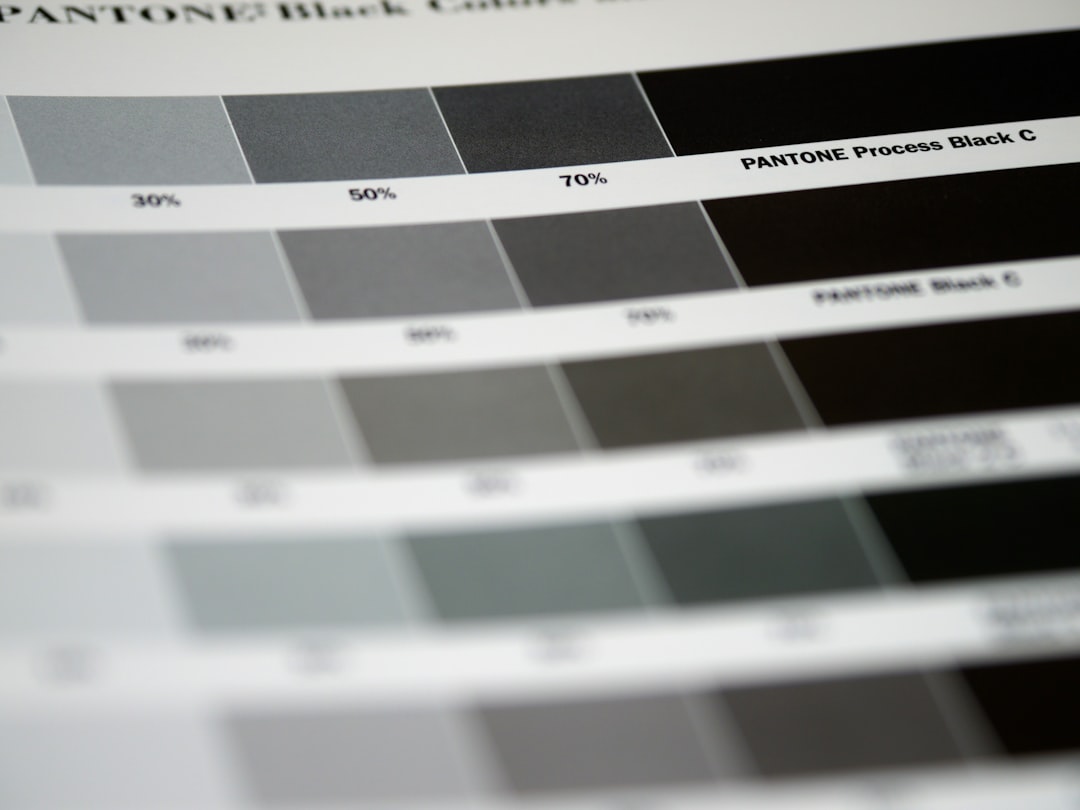
Charcoal spans a range of deep grays. Gunmetal (#2A3439) is darker with a steely blue cast. Slate gray (#708090) is lighter and softer. Onyx (#353839) sits very close to black. Graphite (#383838) is a more neutral, even gray, and charcoal blue emphasizes the cooler undertone. Each variation keeps charcoal’s grounded sophistication while shifting toward warmer, cooler, lighter, or darker territory. The undertone matters more than people expect: a charcoal with a blue cast feels crisp and corporate, while one with a brown or green cast feels softer and more organic. Selecting the right charcoal can make a palette feel either coolly modern or quietly natural, so designers often test several deep grays side by side before committing, since the difference reads clearly once placed against accent colors and white space.
Frequently Asked Questions
What does the color charcoal mean?
Charcoal means sophistication, strength, professionalism, and modernity. A deep blue-gray softer than pure black, it conveys authority, stability, and refinement without harshness. As a versatile neutral, it signals competence and good taste, which makes it popular in luxury, corporate, and contemporary design.
What emotions does charcoal evoke?
Charcoal evokes steadiness, seriousness, and quiet confidence. Its depth feels grounding and secure, while a subtle blue undertone adds calm and trust. People often perceive it as mature, intelligent, and dependable, projecting strength while remaining more approachable than stark black.
What colors go with charcoal?
Charcoal pairs well with cream and white for crisp contrast, amber or gold for luxury, and bright accents like aqua or coral for energy. As a dark neutral it complements almost any color, making vivid tones pop and lending refinement to softer palettes.
Is charcoal warm or cool?
Charcoal is generally a cool color because of its blue-gray undertone, though as a deep neutral it can lean either way depending on surrounding hues. See our guide to warm vs cool colors for more.
Is charcoal better than black for design?
Often, yes. Charcoal delivers most of black’s authority and elegance but reads as softer and less harsh, reducing eye strain in text and large backgrounds. It feels more modern and approachable, which is why many designers prefer charcoal over pure black for body copy and UI.