Best Fonts for Posters
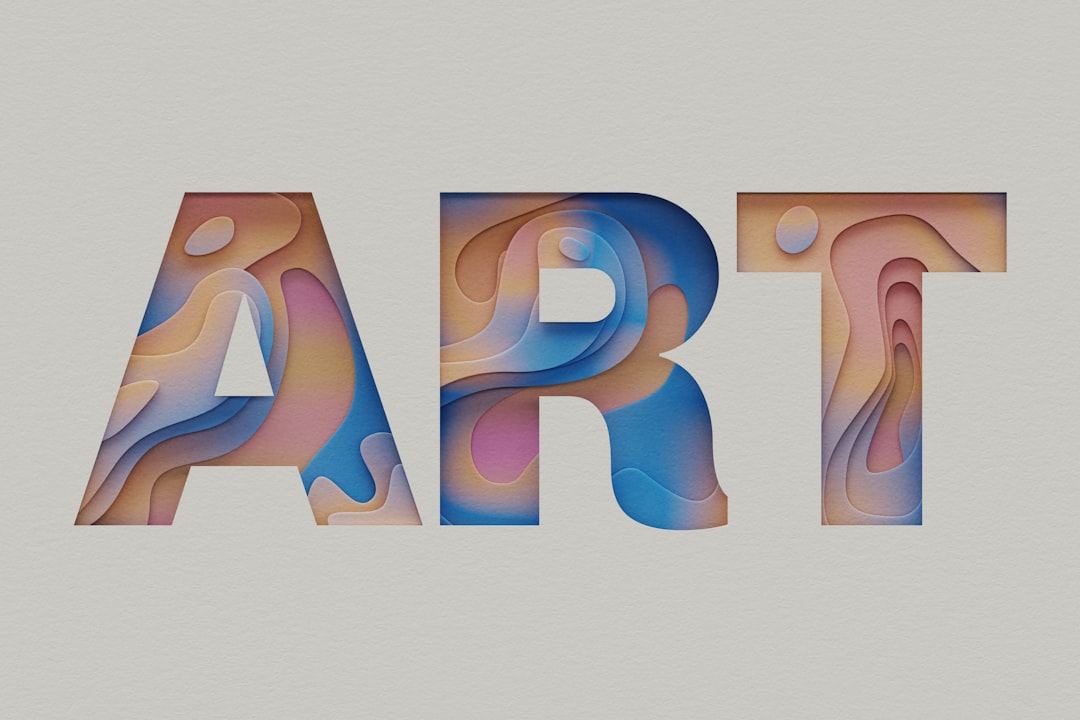
The best fonts for posters do one job above all else: grab attention and stay legible from across a room. That means tall, heavy, tightly-set display type for the headline and a clean, readable face for the details. A poster is read in two passes — the big hit from ten feet, then the fine print up close — so you choose two registers of type accordingly. This guide names the bold display faces designers actually use, free versus paid, and how to pair them.
Posters lean on contrast and hierarchy more than any other format; our font pairing guide covers how to combine a loud display face with a quiet body. For layout, scale, and composition specifics, see our poster design principles.
What makes a good font for posters?
A good poster headline face is heavy enough to hold at small reproduction and large distance, with a tall x-height and a condensed-to-normal width that lets you set big words without running off the sheet. Strong, simple letterforms read fastest at a glance — which is why grotesque and geometric sans dominate. You want a face that keeps its identity when scaled to fill a wall and when shrunk to a thumbnail online. Detail type (dates, venue, credits) needs the opposite: a calm, legible companion. The art is the contrast between the two.
Posters also live in two worlds now — printed and pasted on walls, and shared as images on social feeds — so a strong poster face has to survive aggressive scaling in both directions. Condensed designs earn their keep here because they let a long title fill the width of the sheet at maximum cap height, while heavier weights ensure the headline still reads when a phone compresses the poster into a small thumbnail. Test every poster face at both extremes before you commit.
Best poster fonts
Bebas Neue (free)
Bebas Neue is the go-to free poster face — tall, condensed, all-caps, and instantly modern. It fills headlines with maximum impact per inch and reads cleanly at distance. Free on Google Fonts; ideal for event, gig, and editorial posters.
Anton (free)
Anton is a single ultra-bold, slightly condensed grotesque designed specifically for headlines. Its heavy weight gives posters real shout, and it is free on Google Fonts — a default for punchy, no-nonsense titles.
Oswald (free)
Oswald is a reworked condensed gothic with multiple weights, so it flexes from headline to subhead within one poster. Free, versatile, and screen-friendly for digital posters and flyers.
Archivo Black (free)
Archivo Black is a grotesque designed for high-impact display at large sizes. It is wider and more contemporary than Anton, with a confident, editorial feel. Free on Google Fonts.
Futura (paid)
Futura brings geometric, modernist authority — perfect for design-led, minimalist, and Bauhaus-flavored posters. Its bold and extra-bold weights set striking all-caps headlines. Paid; free geometric alternatives include Jost.
Playfair Display (free)
Playfair Display is a high-contrast Didone-style serif for elegant, fashion- and event-style posters where you want refinement instead of brute force. Free on Google Fonts and great in large sizes where its hairlines shine.
Knockout (paid)
Knockout (Hoefler&Co.) is a vast family of grotesque widths and weights built for headlines and posters. It is the secret weapon behind countless sports and editorial posters because you can find the exact width to fit any word. Paid.
Tungsten (paid)
Tungsten (Hoefler&Co.) is a compact, narrow sans with a sporty, confident voice — a favorite for athletic, music, and bold marketing posters. Paid; its tight fit packs words tightly with impact.
Montserrat (free)
Montserrat in its heavier weights makes a clean, geometric poster headline and a tidy detail face, all from one free family — a practical one-stop choice on Google Fonts.
| Font | Style | Free/Paid | Why it works |
|---|---|---|---|
| Bebas Neue | Condensed display sans | Free | Maximum impact per inch, all-caps |
| Anton | Ultra-bold grotesque | Free | Heavy headline shout, distance-readable |
| Oswald | Condensed gothic | Free | Multiple weights, headline to subhead |
| Archivo Black | Display grotesque | Free | Wide, confident, editorial impact |
| Futura | Geometric sans | Paid | Modernist, minimalist authority |
| Playfair Display | Didone serif | Free | Elegant, high-contrast for fashion/events |
| Knockout | Grotesque family | Paid | Every width to fit any headline |
| Tungsten | Compact sans | Paid | Sporty, tight, bold marketing punch |
Fonts to avoid for posters
Avoid thin, light weights and delicate text faces for headlines — they vanish at distance. Steer clear of overused novelty and “free download” display fonts (think Papyrus or default Comic Sans) that read as amateur. Don’t set a whole poster in a script or in all-caps light type, and avoid hard-to-read blackletter unless the theme demands it. Reserve high-contrast serifs like Playfair for very large sizes only; their hairlines disappear when shrunk.
Tips, pairing and hierarchy
Build a clear hierarchy: one dominant headline face, one supporting face for everything else. A classic poster pairing is a heavy condensed sans headline (Bebas Neue, Anton, Tungsten) with a clean readable sans for details (Montserrat, Helvetica, or a Google sans). Use scale aggressively — your headline should be many times larger than body text. Tighten tracking on big all-caps lines, give them room, and test the poster at thumbnail size: if the headline still reads, it works. For more free options, browse our best Google Fonts roundup.
Frequently Asked Questions
What font is best for a poster headline?
For free, Bebas Neue and Anton are the strongest poster headline fonts — tall, heavy, and legible at distance. For paid impact, Knockout and Tungsten offer the widest range of widths. Choose a bold or condensed display face, not a light or text weight, so the headline reads from across a room.
What is the best free font for posters?
Bebas Neue is the most popular free poster font, followed by Anton, Oswald, and Archivo Black — all on Google Fonts and licensed for commercial use. For an elegant, high-contrast option, Playfair Display works well at large sizes. Pair any of them with a clean sans for details.
How many fonts should a poster use?
Two is the sweet spot: one bold display face for the headline and one clean, readable face for supporting text. A third can work for small accents, but more than that fragments the hierarchy. Strong contrast between two well-chosen faces almost always beats a crowd of typefaces.
Should poster fonts be serif or sans-serif?
Most poster headlines use bold sans-serifs (Bebas Neue, Anton, Futura) because simple, heavy letterforms read fastest at a glance. Serifs work for elegant or editorial themes — Playfair Display for fashion and events, for example. The key is weight and scale more than the serif-versus-sans choice.
How big should poster text be?
There is no fixed point size — scale relative to viewing distance. As a rule of thumb, the headline should be readable from across a room and several times larger than supporting text. Design at full output size, then check the poster at thumbnail to confirm the headline still dominates.