12 Best Stock Photo Sites in 2026
The best stock photo sites are the ones that match the job: free libraries for fast content, paid agencies for niche subjects and guaranteed releases. Below are 12 sources worth bookmarking as of 2026, sorted free first, each with an honest note on what it does well and where it falls short. No site is best at everything — the skill is knowing which to open for which task.
New to sourcing images? Start with our stock photography guide for designers to understand licenses before you download, and see the broader guide to photography for designers for the full imagery workflow.
Free Stock Photo Sites
Free libraries have improved enormously and cover most everyday content needs. The trade-off is overuse: the most popular images appear everywhere, so dig past page one and grade what you find.
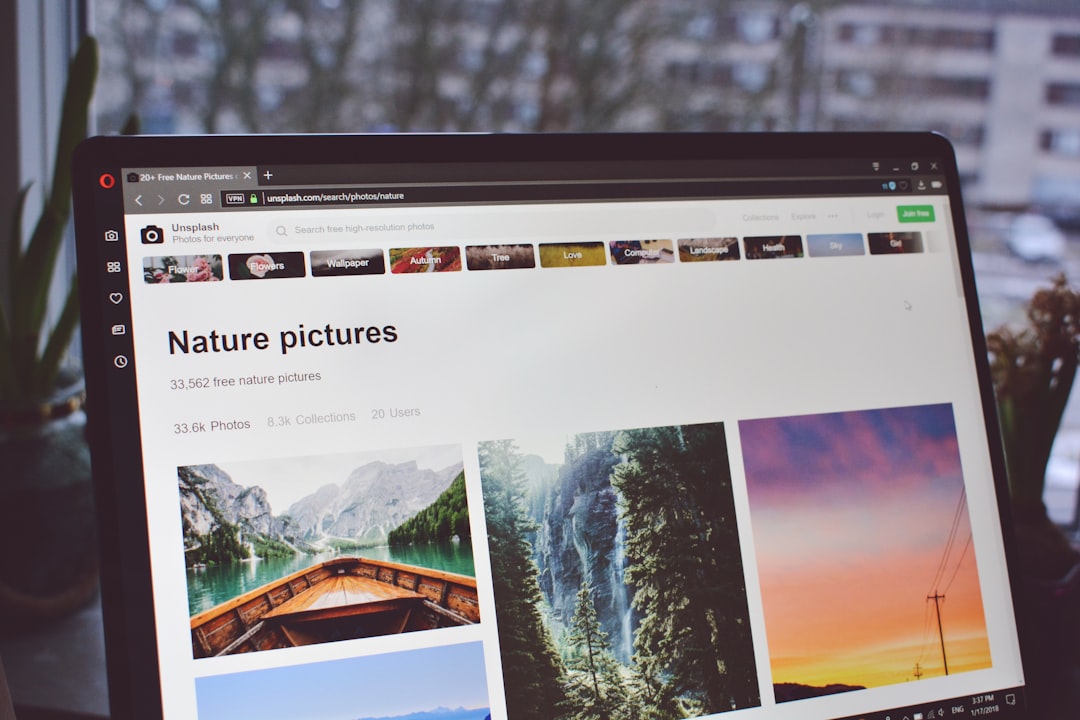
1. Unsplash
Unsplash is the default free library for modern, lifestyle, and editorial-feeling photography. Quality is high and the interface is clean. The catch is saturation — its top images are among the most reused on the web. Read the Unsplash License: it is generous but discourages reselling unmodified photos and using them to imply endorsement.
2. Pexels
Pexels overlaps with Unsplash in style but also hosts a strong free video library, making it a one-stop source for motion and stills. The license permits commercial use without attribution. Good for social, blogs, and quick hero shots when you want both photo and video from the same place.
3. Pixabay
Pixabay is the broadest free catalog — photos, illustrations, vectors, and video under one permissive license. Average quality is a notch below Unsplash, but the variety is unmatched for free, and it is excellent when you need an illustration or vector alongside a photo.
4. Burst by Shopify
Burst is Shopify’s free library, skewed toward e-commerce and product-adjacent imagery. If you design for online stores, its business and product themes are more on-point than general lifestyle libraries. Free for commercial use.
5. Kaboompics
Kaboompics specializes in interiors, lifestyle, and styled flat-lays with a consistent, warm aesthetic. Because the look is cohesive, images from it tend to sit together well in a layout with minimal grading. A strong pick for home, wellness, and editorial design.
6. Life of Pix
Life of Pix is a smaller, curated free library leaning toward high-quality landscape, urban, and texture shots. Lower volume, higher hit rate — useful when you want something less seen than the Unsplash front page.
Paid Stock Photo Sites
Paid agencies justify their cost with depth, exclusivity, guaranteed releases, and assets beyond photos. When a client needs a niche subject or legal certainty, this is where you go.
7. Adobe Stock
Adobe Stock is the strongest pick for anyone in Creative Cloud, because it integrates directly into Photoshop, Illustrator, and InDesign — you can license straight from the layout. Huge catalog, clear release info, and a generative-AI tier as of 2026. Subscription or credit pricing.
8. Shutterstock
Shutterstock remains one of the largest catalogs anywhere, covering photos, vectors, video, and music. Search is mature and filtering is excellent. Pricing is subscription-based and aimed at high-volume users; lighter users may find per-image plans steep.
9. Getty Images
Getty Images is the premium, often rights-managed end of the market — editorial, news, sports, and exclusive commercial work. You pay for images competitors cannot easily get and for rigorous rights clearance. Best when prestige and exclusivity outweigh budget.
10. iStock
iStock is Getty’s more affordable, royalty-free sibling. It offers much of Getty’s quality at lower prices, with “Signature” (exclusive) and “Essentials” (budget) tiers. A sensible middle ground between free libraries and full Getty pricing.
11. Stocksy United
Stocksy is an artist-owned cooperative known for distinctive, authentic, non-clichéd imagery. If your brief is “anything but stocky stock,” Stocksy is the antidote — curated, cohesive, and far less saturated. Pricing sits in the mid-to-premium range.
12. Death to Stock
Death to Stock is a membership service delivering curated photo and video packs with a deliberately authentic, non-corporate feel. The model suits brands and studios that want a steady drip of fresh, on-trend imagery rather than one-off downloads.
Quick Comparison
| Site | Cost | Best for |
|---|---|---|
| Unsplash | Free | Modern lifestyle & editorial |
| Pexels | Free | Photo + free video |
| Pixabay | Free | Photos, vectors, illustrations |
| Adobe Stock | Paid | Creative Cloud users |
| Shutterstock | Paid | High-volume, all asset types |
| Getty Images | Premium | Exclusive & editorial |
| Stocksy | Mid–premium | Authentic, non-clichéd shots |
A Note on AI-Generated Stock
As of 2026, most major paid libraries — Adobe Stock and Shutterstock among them — offer AI-generated imagery alongside traditional photography, and several provide indemnification on their licensed AI content. This solves some problems and creates others. It is excellent for conceptual, abstract, or hard-to-shoot subjects where no real photo exists, and it sidesteps model-release issues because no real person is depicted.
The caution is twofold. First, AI imagery still produces tell-tale artifacts — odd hands, garbled text, melted details — so inspect at full size before placing. Second, depicting a real, recognizable product or person via AI does not magically grant you rights to that likeness or brand. Treat AI stock as another tool in the kit: brilliant for the abstract hero shot, unreliable for anything that must look unmistakably real or that involves a specific identity.
What to Check Before You Download
Regardless of which site you use, run the same quick checklist so a great-looking image does not become a liability later:
- License scope: confirm it is royalty-free for commercial use, not editorial-only, for promotional work.
- Release status: verify model and property releases exist if recognizable people, branded goods, or private property appear.
- Resolution: download large enough for your output — full resolution for print, web-optimized for screen.
- Exclusivity needs: if the client cannot risk competitors using the same image, choose a rights-managed or premium source.
- Record-keeping: save the license receipt and image ID so you can prove usage rights if ever challenged.
This thirty-second habit is what separates professional sourcing from “found it online.” A saved license record turns a potential takedown notice into a two-minute reply, and it protects both you and the client.
How to Choose the Right Site
Match the source to the stakes:
- Low stakes, fast content: Unsplash, Pexels, or Pixabay.
- E-commerce and products: Burst, plus Adobe Stock for breadth.
- Brand-critical, must be unique: Stocksy, Getty, or Death to Stock.
- Inside Creative Cloud: Adobe Stock, for the workflow integration alone.
Whatever you pick, confirm the license fits your use and that any recognizable people or property have releases. Then unify your selections with one color treatment so they read as a set rather than a pile of downloads — our color grading guide walks through exactly that.
Frequently Asked Questions
What is the best free stock photo site?
Unsplash is the most popular for modern, high-quality lifestyle and editorial photography, with a clean interface and a generous license. Pexels is the strongest alternative because it adds free video, and Pixabay wins on sheer variety, including vectors and illustrations alongside photos.
Are free stock photos safe for commercial use?
Generally yes on Unsplash, Pexels, and Pixabay, which permit commercial use, but always read the specific license. Free sites rarely guarantee model or property releases, so avoid using a recognizable person’s face to promote a product without verifying that permission exists.
Which paid stock site is best for designers?
Adobe Stock is the best fit for most designers because it integrates directly into Photoshop, Illustrator, and InDesign, letting you license without leaving your layout. Shutterstock suits high-volume users, while Getty and Stocksy serve briefs needing exclusivity or distinctly authentic imagery.
How do I avoid using overused stock photos?
Dig past the first page of results, favor curated libraries like Stocksy or Death to Stock, and apply a consistent color grade. Overuse is worst among the top free images, so unique sourcing plus your own grading treatment keeps work from looking like everyone else’s.
Is paid stock worth it over free options?
It depends on the job. Free libraries cover most blog and social content. Paid sites are worth it for niche subjects, guaranteed releases, deeper catalogs, and imagery less likely to appear on competitors’ sites — essentially, for brand-critical or legally sensitive work.