Cinzel vs Trajan: The Free Alternative
If you have been searching cinzel vs trajan, you almost certainly want the same thing most designers do: the elegant, carved-in-stone Roman capital look without paying for it. Trajan is the paid Adobe original; Cinzel is the free Google Fonts typeface that channels the same ancient inscriptional style. They are close cousins, and for most projects Cinzel is the practical answer.
What is Trajan?
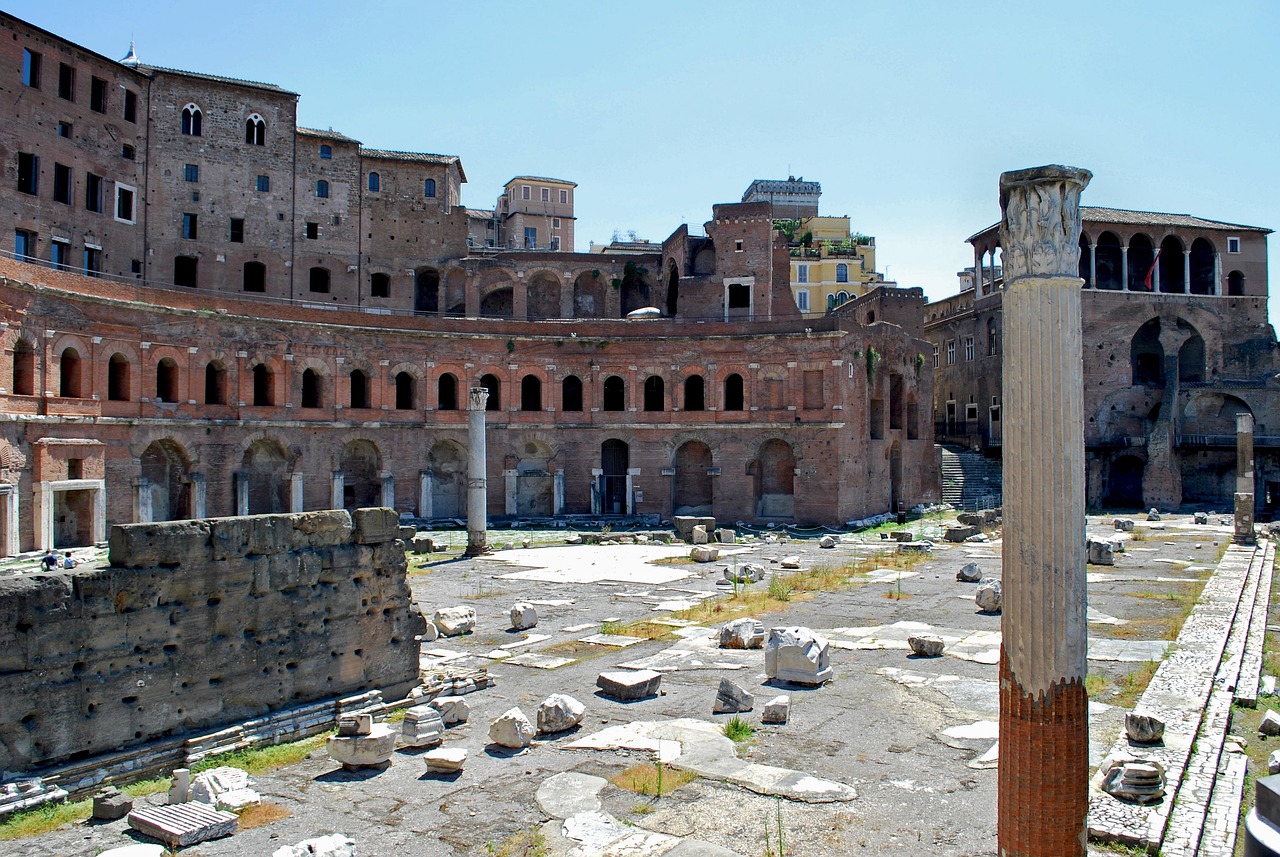
Trajan is a serif typeface designed by Carol Twombly for Adobe in 1989, based directly on the lettering carved at the base of Trajan’s Column in Rome around 113 AD. Those Roman square capitals are considered some of the most refined letterforms ever cut, and Trajan faithfully digitizes their proportions and chiselled serifs. It is an all-caps display face — there is no lowercase, mirroring the Roman source. Trajan became the default “prestige” typeface of Hollywood, appearing on countless film posters, and it remains a commercial Adobe font you license rather than download for free.
What is Cinzel?
Cinzel is a free, open-source typeface designed by Natanael Gama and distributed through Google Fonts. It is explicitly inspired by classical Roman inscriptional capitals — the same tradition Trajan draws from — and it captures the tall, stately proportions and triangular serifs of carved stone lettering. Unlike Trajan, Cinzel ships in multiple weights (Regular through Black) and includes a decorative companion, Cinzel Decorative. Because it is released under the SIL Open Font License, you can use it freely in commercial work. It is one of the standout entries in our best display fonts roundup for exactly this reason.
Is Cinzel a good Trajan alternative?
Cinzel is the go-to free Trajan alternative, and for the vast majority of projects it is more than good enough. Both fonts deliver the same core impression: classical, authoritative, monumental capitals suited to luxury branding, film titles, certificates, and event invitations. A trained eye will spot differences in detail — Trajan’s serifs and curve transitions are slightly more refined, reflecting its source and its professional polish — but Cinzel reproduces the overall character convincingly and adds weights Trajan never offered in its original cut. If a client or studio specifically requires Trajan, license it; otherwise, Cinzel saves money with minimal compromise.
| Property | Cinzel | Trajan |
|---|---|---|
| Classification | Roman inscriptional caps serif | Roman inscriptional caps serif |
| Designer / year | Natanael Gama, 2012 | Carol Twombly (Adobe), 1989 |
| x-height | Caps only (no lowercase) | Caps only (no lowercase) |
| Vibe | Classical, elegant, monumental | Prestige, cinematic, authoritative |
| Free / paid | Free (open source) | Paid (Adobe license) |
| Where to get it | Google Fonts | Adobe Fonts |
| Best for | Luxury branding, invitations on a budget | Film posters, brand-mandated prestige work |
When should you pay for Trajan instead?
Pay for Trajan when it is non-negotiable: a film studio’s title treatment, a luxury brand whose guidelines specify it, or a print job where you want the exact, time-tested letterforms with no ambiguity. Trajan also benefits from Adobe’s professional kerning and OpenType refinements. If your output is destined for a context where typographic experts will scrutinize the lettering, the original’s polish can justify the license. For nearly everything else — web headers, certificates, indie posters, social graphics — Cinzel delivers the look for free.
How do the letterforms compare in detail?
Both fonts descend from the same source — the carved capitals of Trajan’s Column — so they share the wide, generously proportioned letters, the open apertures, and the sharp triangular serifs of Roman stone lettering. The differences are in finish. Trajan’s curves and serif transitions reflect decades of professional refinement and the deep study Carol Twombly put into the original inscription, giving it exceptionally smooth, balanced strokes. Cinzel reproduces the same skeleton faithfully but with slightly different stroke modulation and serif shaping; in heavier weights especially, its forms read as a fraction more contemporary. Crucially, Cinzel offers multiple weights from Regular to Black, which the classic Trajan cut did not — so Cinzel can do things, like a heavy display weight, that the original Trajan release simply cannot. For web use, Cinzel’s range and free licensing often make it the more practical tool even before cost enters the conversation.
Where is each font used in the real world?
Trajan’s most recognizable home is the film industry, where its capitals appear on poster after poster to signal prestige and seriousness; it also shows up in luxury branding, law firms, universities, and government materials that want to borrow classical authority. Cinzel, being free and easy to embed, has become the web’s default for that same monumental look — you will find it across wedding sites, boutique luxury brands, certificates, museum and heritage projects, and indie film and game titles. Because Cinzel is on Google Fonts, it integrates instantly into websites, whereas Trajan requires an Adobe license to deploy. For digital-first projects that want the carved-Roman aesthetic without a subscription, Cinzel is overwhelmingly the practical choice.
How do you pair these inscriptional fonts?
Because both are all-caps display faces, you should not set body copy in them. Pair Cinzel or Trajan with a readable serif or humanist sans for paragraphs, keeping the inscriptional caps for headings, names, and short titles. A classic combination is monumental caps over a transitional serif body, which reinforces the heritage feel. Our font pairing guide covers body faces that balance a strong display capital, and you can also browse the broader best Google Fonts list for free companions to Cinzel. For another high-contrast display comparison in this series, see our DM Serif vs Playfair Display breakdown.
Frequently Asked Questions
Is Cinzel free for commercial use?
Yes. Cinzel is released under the SIL Open Font License and is free for both personal and commercial projects via Google Fonts. You can use it in logos, posters, products, and client work without a fee, provided you do not sell the font files on their own.
Is Trajan free anywhere?
No. Trajan is a commercial Adobe typeface and requires a license, typically through an Adobe Fonts or Creative Cloud subscription. If you need the Roman inscriptional look without paying, Cinzel is the standard free alternative and is available on Google Fonts.
Why does Trajan look familiar from movie posters?
Trajan became Hollywood’s default prestige typeface in the 1990s and 2000s, appearing on hundreds of film posters because its carved-Roman capitals signal gravitas and quality. That ubiquity is why the style feels instantly cinematic, and it is part of why designers seek free alternatives like Cinzel.
Does Cinzel have lowercase letters?
Cinzel is primarily an uppercase typeface in the Roman inscriptional tradition, like Trajan. Its lowercase glyphs are small-cap style variants rather than true minuscules, so plan to use it for caps-driven headings and titles rather than running text.
Which weights does Cinzel offer that Trajan does not?
Cinzel ships in a range of weights from Regular through Black, plus the separate Cinzel Decorative family with ornamental flourishes. The original Trajan release offered only a couple of weights, so Cinzel actually gives you more display flexibility — including a genuinely heavy Black weight — for free.
Can I use Cinzel for wedding invitations?
Yes. Cinzel is a popular free choice for wedding invitations, monograms, and event stationery because its classical Roman capitals read as elegant and timeless. Pair it with a refined script or a readable serif for the supporting text, and reserve Cinzel for names, titles, and short headings.