Dark Academia Color Palette: Hex Codes
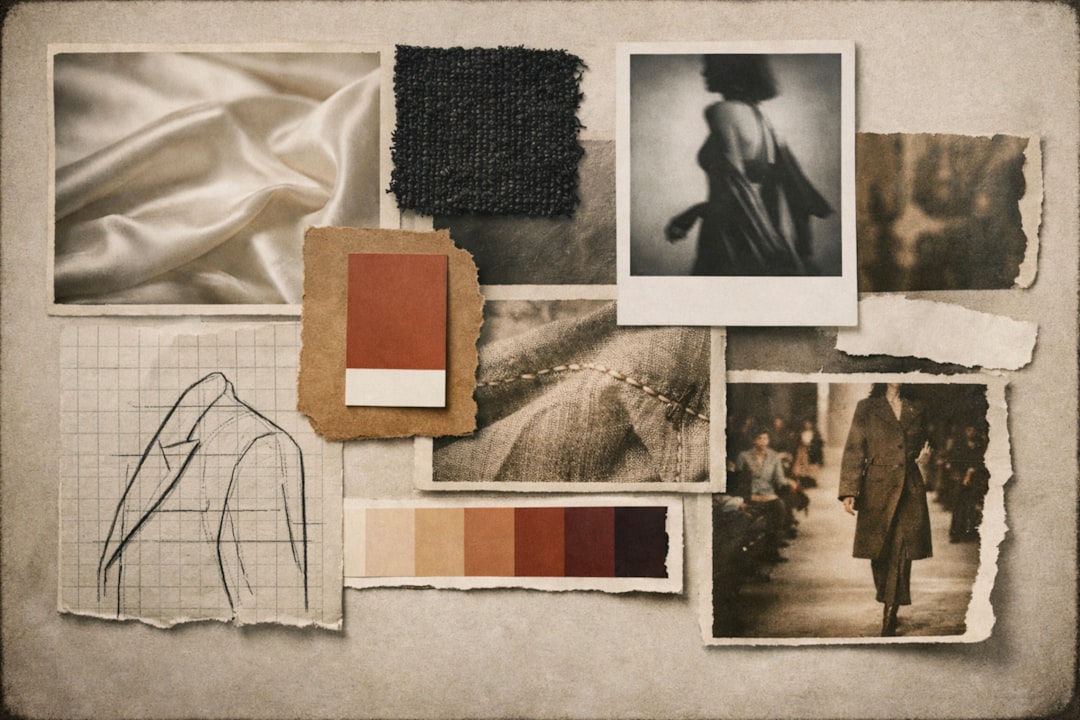
A dark academia color palette captures the atmosphere of an old university library: deep browns of worn leather and wood, the forest green of reading lamps and ivy, oxblood of antique book spines, and the warm cream of aged paper, all lit by antique gold. Below are real hex codes, five copy-and-paste palettes, and a reference table you can drop straight into a brand, a website, or an editorial layout.
Dark academia is defined by restraint and low light. These are not bright colors; they are deep, dusty and slightly desaturated, the tones things take on after decades indoors. The skill is keeping the palette atmospheric without letting it go flat and lifeless.
What colors are in a dark academia color palette?
The dark academia family is built from deep, muted, warm-leaning hues with a few cool anchors, kept low in saturation and value. The core members are dark brown , forest green , cream , oxblood , charcoal and antique gold .
The palette is mostly warm, which is what gives it candlelit intimacy, with forest green and charcoal supplying cool depth. For why deep browns and greens feel scholarly and grounded, see our color psychology notes. Brown is the foundation here; for the full range see our shades of brown, and for the closely related aged aesthetic compare our vintage color palette.
Core dark academia colors (with hex codes)
| Color name | Hex | RGB | Role |
|---|---|---|---|
| Dark brown | #3B2F2F | 59, 47, 47 | Primary |
| Forest green | #2C3B2D | 44, 59, 45 | Secondary |
| Cream | #E8E0CF | 232, 224, 207 | Neutral |
| Oxblood | #4A0E18 | 74, 14, 24 | Accent |
| Charcoal | #2B2B2B | 43, 43, 43 | Neutral |
| Antique gold | #B08D57 | 176, 141, 87 | Accent |
5 dark academia color palettes (with hex codes)
Old Library
The signature dark academia scheme: dark brown #3B2F2F, oxblood #4A0E18, antique gold #B08D57, forest green #2C3B2D and cream #E8E0CF. Moody and scholarly — the default for bookish brands, editorial design, and literary projects.
Tweed & Leather
Dark brown #3B2F2F, coffee #6F4E37, antique gold #B08D57, charcoal #2B2B2B and cream. The warm, tactile menswear direction — refined and earthy, good for tailoring, whisky, and heritage goods.
Ivy Hall
Forest green #2C3B2D, dark brown #3B2F2F, antique gold #B08D57, sage #5A6B4F and cream. The greener, collegiate side of dark academia — calm and grounded, suited to education, stationery, and botanical brands.
Candlelit
Charcoal #2B2B2B, oxblood #4A0E18, antique gold #B08D57, dark brown #3B2F2F and parchment #D9C9A8. The darkest, most cinematic option — near-black with gold glow, ideal for premium spirits, fragrance, and dramatic editorial.
Manuscript
Cream #E8E0CF, dark brown #3B2F2F, oxblood #4A0E18, antique gold #B08D57 and forest green #2C3B2D. A lighter, paper-forward layout where cream dominates — best for long-form reading, book covers, and refined print.
Why these dark academia colors work together
The cohesion of a dark academia palette comes from uniformly low value and saturation. Dark brown, forest green, oxblood and charcoal are all deep and slightly grayed — none of them are pure or bright. That shared darkness is what creates the candlelit, interior mood; the eye reads a set of low-key colors as a single dim environment rather than a collection of separate hues. It is the chromatic equivalent of a room lit by one lamp.
The second mechanism is the warm-cool interplay. The browns and oxblood are warm, the forest green and charcoal are cool, and antique gold bridges them. That tension keeps the palette from going monotonous: pure warm-on-warm would feel like a sepia photograph, while the cool green adds the slightly somber, studious note that defines the aesthetic. Gold is the spark of light — the brass lamp, the gilded book edge — that stops the darkness from reading as gloomy.
Cream is the essential release valve. Without a light value, a palette this dark becomes unreadable and oppressive. Cream (#E8E0CF) plays the role of aged paper: it is never pure white, so it stays within the vintage world, but it gives the eye a place to rest and makes text legible. The full span from cream to near-black charcoal is what gives the palette its quiet drama.
How to use a dark academia palette in design
Decide first whether you want a dark layout or a light one. For dark, let charcoal or dark brown fill the background, cream carry the text, and oxblood and gold appear as accents. For light, flip it: cream background, dark brown text, and the deep colors as accents and rules. Either way, keep gold sparing — it is a highlight, and overusing it cheapens the restraint that makes the aesthetic work.
Texture is central to dark academia. Leather grain, aged paper, marbled endpapers, tweed and wood reinforce the palette far more than the colors alone. A serif typeface and a slightly off-white paper stock will do as much for the mood as the hex codes.
Dark academia palette for branding, web and editorial
Branding: dark academia suits bookshops, publishers, stationery, premium spirits, tailoring, and any brand trading on intellect, heritage and quiet luxury. Anchor on dark brown or charcoal, use cream as the field, and reserve oxblood and gold for the brand mark. Confirm the direction through how to choose brand colors before committing.
Web: a dark academia site usually works best with a cream background (#E8E0CF), dark brown body text, forest green or oxblood for links, and gold for small accents. If you go full dark mode, raise text to cream and check that body copy clears contrast thresholds against the dark background.
Editorial: the palette is made for long-form reading — book covers, literary magazines, and zines. Cream paper, dark serif type, and oxblood or gold accents produce an instantly scholarly feel. For the broader aged look, compare our vintage color palette.
Frequently Asked Questions
What are the main dark academia colors?
The defining dark academia colors are dark brown (#3B2F2F), forest green (#2C3B2D), oxblood (#4A0E18), charcoal (#2B2B2B) and antique gold (#B08D57), released by a cream (#E8E0CF) neutral. They are all deep, low-saturation, vintage-leaning tones evoking old libraries and leather-bound books.
What is the hex code for oxblood?
Oxblood is commonly written as #4A0E18 (RGB 74, 14, 24), a very dark, brownish-red that reads like aged leather or an antique book spine. It works as a rich accent against cream or dark brown and is far more restrained than a bright red, which would break the muted aesthetic.
What is the difference between dark academia and vintage palettes?
Dark academia is a subset of the vintage family with a specific mood: scholarly, moody, and built around dark brown, forest green and oxblood. General vintage palettes are broader and often lighter — sepia, dusty pastels and faded brights. Dark academia is darker and more deliberately intellectual.
How many colors should a dark academia palette have?
Five works well: one or two dark dominants (brown, charcoal), one or two deep accents (forest green, oxblood), a metallic spark (antique gold), and a cream neutral. The key is keeping every color low in value except the cream, which provides the necessary contrast.