Lilac Color Meaning and Symbolism
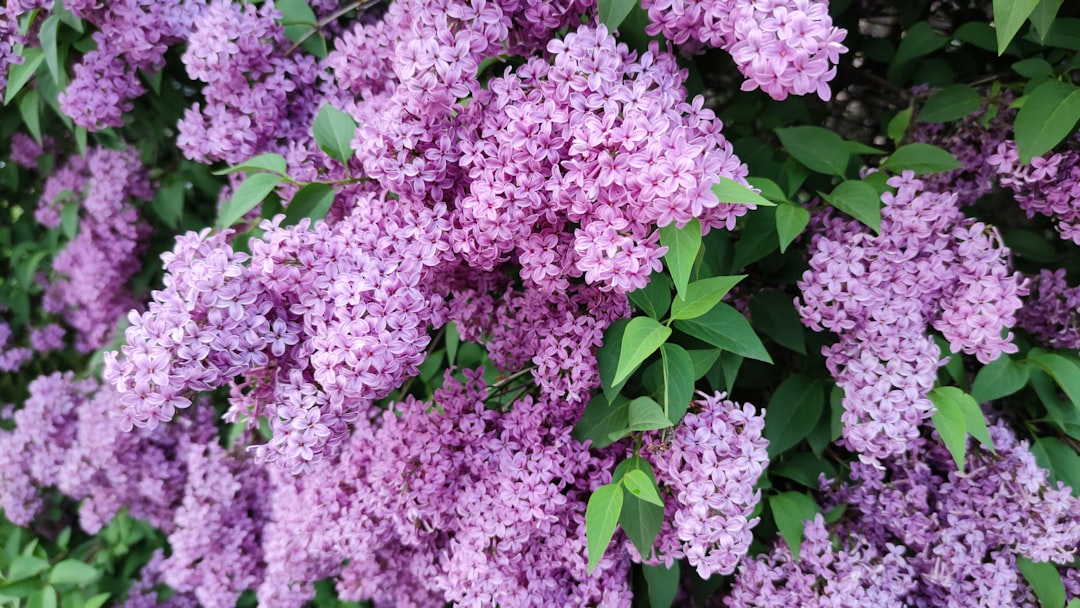
Named after the fragrant spring-blooming flower, lilac is a light, airy purple with a gentle pink undertone. The lilac color meaning is rooted in youth, renewal, and tranquility, evoking the freshness of early spring and first love. Softer and cooler than mauve, lilac feels innocent, romantic, and serene, carrying a touch of purple’s spiritual associations in a lighter, more delicate form.
What does lilac symbolize?
Lilac symbolizes youthfulness, innocence, and the renewal of spring. As a pale purple, it softens purple’s deeper meanings of spirituality and creativity into something light, hopeful, and romantic. Lilac represents first love, tenderness, and emotional openness, and it is closely tied to the blooming lilac flower, a traditional emblem of spring and young love. The color also signals tranquility, calm, and a gentle spiritual awareness, suggesting peace, reflection, and a fresh, optimistic outlook. Because lilac is so closely linked to a blossoming flower, it strongly evokes growth, new beginnings, and the soft, hopeful energy of a season turning from winter to spring.
The psychology of lilac
Psychologically, lilac is soothing and uplifting. Its lightness reduces the intensity of full purple, producing a calming, restful effect that also feels cheerful and youthful. Lilac encourages relaxation and emotional balance while evoking a sense of innocence and gentle optimism. It is often used in spaces and designs meant to feel peaceful, nurturing, and serene, such as bedrooms, wellness settings, and children’s products. Because it blends cool purple with a hint of warm pink, lilac feels both calming and tender. Some find it slightly nostalgic or sentimental, but it generally reads as fresh and hopeful. Learn more in our overview of color psychology.
Lilac symbolism across cultures
Much of lilac’s symbolism comes from the lilac flower, which across many cultures signals the arrival of spring, renewal, and young or first love. In Victorian flower language, lilacs were associated with the emotions of early romance and, in some traditions, with remembrance of a first love. As a tint of purple, lilac also borrows broader associations with spirituality, dignity, and imagination. Because it is a soft, pale hue, lilac does not carry the strong, fixed symbolism of bolder colors, and meanings vary by context. In contemporary design it is widely read as gentle, youthful, and tranquil.
Positive and negative associations of lilac
| Positive | Negative |
|---|---|
| Youth, innocence, and renewal | Can feel immature or overly sweet |
| Tranquility, calm, and serenity | May read as faint or insubstantial |
| Romance and gentle spirituality | Risk of seeming saccharine in excess |
Lilac in branding and marketing
Lilac is widely used in beauty, wellness, fashion, and lifestyle branding to convey softness, calm, and youthful femininity. Skincare, floral, and spa brands favor lilac for its tranquil, nurturing associations, while products aimed at younger audiences use it for its fresh, playful charm. Because it is gentle and approachable, lilac works well in wellness and self-care branding that emphasizes peace and balance. It pairs naturally with whites and pastels for an airy, springtime feel, and it cross-links thematically with related purples like mauve and deeper tones such as plum.
Colors that go well with lilac
Lilac pairs beautifully with other soft, fresh tones. Mint green (#B8E0D2) creates a light, springlike harmony, while soft yellow (#FCEEA7) adds gentle warmth and cheer. Crisp white (#FFFFFF) and pale gray (#E6E6E6) keep lilac airy and elegant, and deeper purple or plum (#8E4585) adds depth and contrast for a richer palette. Dusty blue and sage also complement lilac’s calm character. For more pairing guidance, see our piece on complementary colors.
Shades and variations of lilac
Lilac ranges from barely-there pastels to richer florals. Classic lilac (#C8A2C8) is a soft purple-pink, while French lilac (#86608E) is deeper and more saturated. Pale lilac (#E5D3E8) is a very light, delicate tint, and “rich lilac” (#B666D2) leans brighter and bolder. Lilac that edges toward blue becomes closer to lavender, while warmer versions approach mauve. These variations let designers move between airy pastels and more vivid, flower-inspired purples. The palest lilacs work beautifully as soft backgrounds and accents, while richer French and “rich lilac” tones carry enough saturation to anchor a design with a fresh yet confident burst of purple.
Frequently Asked Questions
What does the color lilac mean?
Lilac means youth, tranquility, and renewal. As a pale, soft purple, it symbolizes innocence, first love, and the freshness of spring, while carrying a gentle hint of purple’s spirituality. It conveys a calm, hopeful, and romantic mood that feels light, delicate, and uplifting.
What emotions does lilac evoke?
Lilac evokes calm, tenderness, and youthful optimism. Its soft, pale quality is soothing and restful, while its hint of pink adds warmth and romance. Lilac generally creates a peaceful, innocent, and hopeful emotional tone, making spaces and designs feel serene and gentle.
What colors go with lilac?
Lilac pairs well with mint green and soft yellow for fresh, springlike palettes, and with white or pale gray for airy elegance. Deeper purples like plum add contrast and richness, while dusty blue and sage complement lilac’s calm, gentle character. These combinations keep lilac feeling light and harmonious.
Is lilac warm or cool?
Lilac is generally a cool color because of its purple base, though its pink undertone gives it a touch of warmth. This balance keeps lilac feeling soft and gentle rather than icy. It sits closer to the cool side overall, lending it a tranquil quality. See our guide to warm vs cool colors.
What is the difference between lilac and lavender?
Lilac and lavender are both pale purples, but lilac carries a warmer, pinkish undertone, while lavender leans cooler and bluer. Lilac feels slightly more romantic and floral, whereas lavender appears more serene and silvery. The two are often used interchangeably, but their undertones distinguish them.