Plum Color Meaning and Symbolism
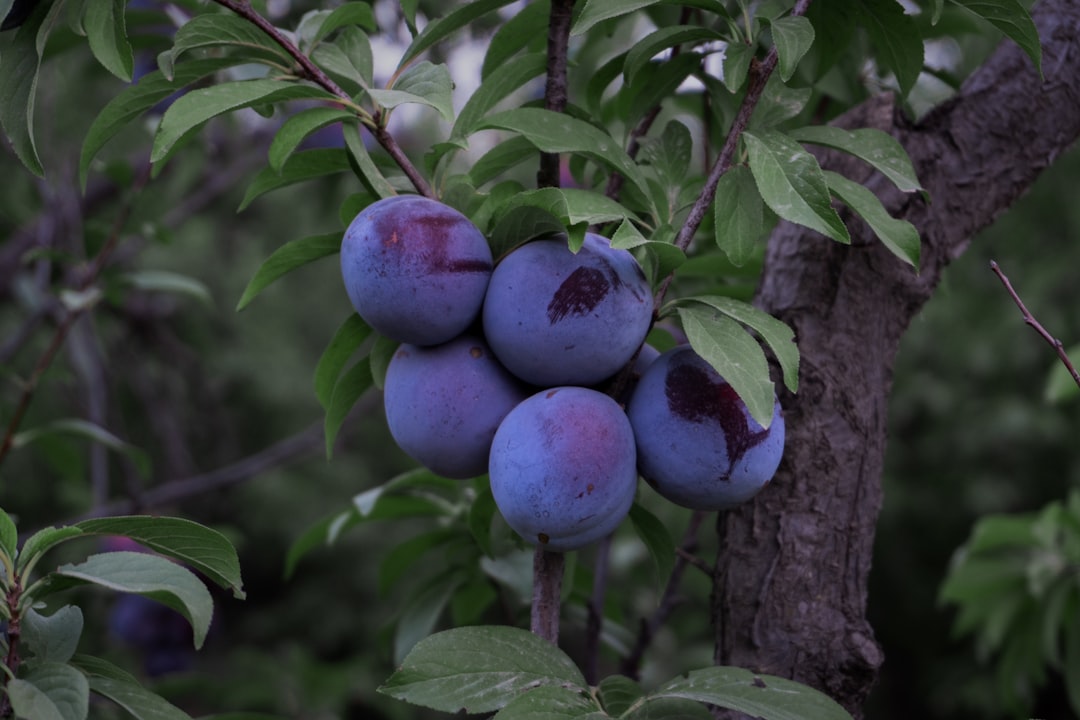
Named after the dark, jewel-toned fruit, plum is a deep purple infused with warm red undertones. The plum color meaning revolves around luxury, mystery, and creative sophistication. Richer and warmer than violet, plum combines purple’s regal associations with the depth and intensity of red, producing a color that feels both opulent and intriguing.
What does plum symbolize?
Plum symbolizes luxury, richness, and sophistication. As a deep red-purple, it carries purple’s longstanding ties to royalty, nobility, and ambition, deepened by red’s warmth and intensity. Plum represents elegance, abundance, and refined taste, while its darkness adds an aura of mystery, depth, and creativity. The color also suggests confidence and individuality, since it is a bold, unconventional choice. In many contexts, plum conveys a sense of indulgence, drama, and mature, jewel-toned glamour. Its fruit-inspired depth also lends it an organic, sensory richness, evoking ripeness and abundance that pure violet or lavender cannot match.
The psychology of plum
Psychologically, plum blends the calming, introspective qualities of purple with the energy and warmth of red, creating a tone that feels both luxurious and grounded. Its depth evokes mystery, sophistication, and contemplation, inviting a sense of intrigue. Plum can stimulate creativity and imagination while still feeling rich and comforting rather than harsh. Because it is dark and saturated, it carries visual weight and gravitas, projecting confidence and refinement. In large amounts plum can feel intense or moody, so designers often balance it with neutrals or lighter accents. To explore how deep purples influence emotion, see our overview of color psychology.
Plum symbolism across cultures
As a deep shade of purple, plum inherits purple’s powerful cultural associations with royalty, wealth, and nobility, which date back to the rarity and expense of historical purple dyes. In many Western contexts, plum and similar jewel tones signal luxury, ceremony, and refinement. In several East Asian cultures, the plum blossom carries its own rich symbolism of perseverance, renewal, and beauty in adversity, though that refers to the flower rather than the color specifically. Because plum is dark and saturated, it can also suggest depth, mystery, and the contemplative side of purple. Interpretations vary, but luxury and sophistication are consistent themes.
Positive and negative associations of plum
| Positive | Negative |
|---|---|
| Luxury, richness, and elegance | Can feel heavy or overpowering |
| Mystery, depth, and creativity | May read as moody or somber |
| Sophistication and confidence | Risk of seeming excessive or self-indulgent |
Plum in branding and marketing
Plum is a powerful choice for brands that want to project luxury, sophistication, and creativity. It appears in beauty, fashion, wine, hospitality, and premium product branding, where its deep, jewel-toned richness signals indulgence and refined quality. Cosmetics and fragrance brands use plum to convey glamour and depth, while creative and boutique businesses use it to express originality and confidence. Because it is bold yet elegant, plum works well as a statement color anchored by neutrals or metallics like gold and silver. It cross-links naturally with lighter purples such as lilac and muted tones like mauve.
Colors that go well with plum
Plum pairs richly with both metallics and contrasting tones. Gold (#D4AF37) and rose gold enhance its luxury, creating an opulent, glamorous palette. Soft gray (#BEBEBE) and cream (#F5F0E1) balance plum’s intensity and let it stand out elegantly. For fresh contrast, sage green (#9CAF88) or teal (#2C6E6E) complements plum’s warmth, while blush pink (#E8C4C4) adds a romantic, tonal pairing. Explore more high-impact combinations in our guide to complementary colors.
Shades and variations of plum
Plum spans warm, reddish purples to deep, near-black tones. Classic plum (#8E4585) is a saturated red-purple, while web plum (#DDA0DD) is a much lighter, softer lavender-pink. Dark plum or aubergine (#430541) edges toward eggplant and feels dramatic and moody. Wine and damson plums lean redder and deeper, evoking the fruit, while a cooler plum shifts toward violet. These variations let designers choose between bright, fruity purples and rich, sophisticated jewel tones. Lighter plums feel approachable and contemporary, while deep aubergine and wine-plum shades project the most luxury and drama, anchoring elegant, high-end palettes with confident depth.
Frequently Asked Questions
What does the color plum mean?
Plum means luxury, richness, and sophistication. As a deep red-purple, it combines purple’s royal, creative associations with red’s warmth and intensity. It symbolizes elegance, abundance, mystery, and confidence, conveying an opulent, dramatic, and refined mood that feels indulgent and distinctive.
What emotions does plum evoke?
Plum evokes luxury, intrigue, and creative depth. Its rich, saturated quality feels opulent and dramatic, while its blend of purple and red balances calm introspection with warmth and energy. Plum generally creates a sophisticated, mysterious, and confident emotional tone.
What colors go with plum?
Plum pairs beautifully with gold and rose gold for opulent luxury, and with gray or cream to balance its intensity. Sage green and teal offer fresh contrast, while blush pink creates a romantic, tonal pairing. These combinations highlight plum’s richness while keeping the overall palette elegant.
Is plum warm or cool?
Plum sits on the warm side of purple because of its red undertone, though it retains some of purple’s cool character. This makes plum a warm-leaning, balanced purple that feels rich and inviting rather than icy. Its warmth contributes to its luxurious, comforting quality. See our guide to warm vs cool colors.
What is the difference between plum and purple?
Purple is a broad category of colors between red and blue, while plum is a specific deep, reddish purple inspired by the fruit. Plum is darker, warmer, and richer than generic purple, with more red in its makeup. This gives plum a more luxurious, jewel-toned character than standard purple.