Mint vs Sage: What’s the Difference?
The mint vs sage question is really about saturation and warmth. Mint is a crisp, pale green with a cool, almost blue freshness to it. Sage is a soft, gray-tinted green with an earthy warmth, named after the herb. Mint feels vivid and clean; sage feels muted and grounded. That gray-versus-bright split is the whole difference.
What color is mint?
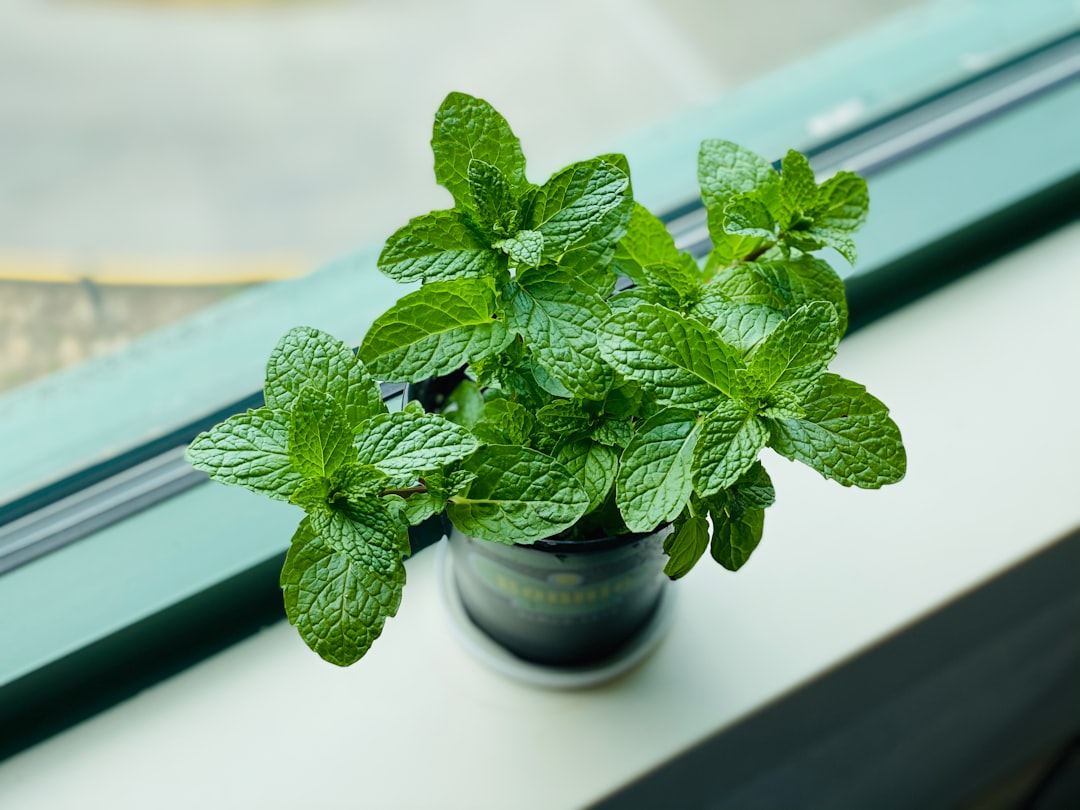
Mint is a light, cool green named after the mint plant and its fresh association with toothpaste and candy. A representative hex is #98FF98, where green is maxed and red and blue sit high and roughly equal, producing a pale, almost pastel green with a slight blue lean. That cool freshness is mint’s signature: it reads clean, airy, and youthful. Mint is highly reflective and bright, which is why it feels crisp and energizing rather than restful.
Because mint keeps green high and stays light, it never drifts gray or muddy. It is a clean tint of green, sometimes leaning toward seafoam or aqua when more blue is added. For a close cousin, see our comparison of mint vs seafoam.
What color is sage?
Sage is a muted, gray-green named after the herb, whose dusty leaves give the color its soft, desaturated character. A representative hex is #9CAF88, where the three channels sit closer together, with green only modestly ahead of red and blue. That tight balance is what mutes the color: the added red and blue gray it down, producing an earthy, natural green rather than a vivid one. Sage reads as calm, sophisticated, and grounded, which is why it has become a staple in interiors and weddings.
Because sage is desaturated and slightly warm, swatches drift between gray-green, olive, and soft eucalyptus depending on the mix. It is essentially green with gray and a touch of yellow folded in. For the closely related pairing, see sage vs mint.
Mint vs sage: side-by-side comparison
Exact values vary across brands and screens, but these representative specs show the bright-versus-muted split clearly.
| Attribute | Mint | Sage |
|---|---|---|
| Hex code | #98FF98 | #9CAF88 |
| RGB | 152, 255, 152 | 156, 175, 136 |
| CMYK (approx) | 40, 0, 40, 0 | 11, 0, 22, 31 |
| Undertone | Cool, slight blue lean | Warm, gray-yellow lean |
| Hue family | Light green (cool) | Gray-green (muted) |
| Best used for | Fresh, clean, youthful brands | Calm, natural, refined interiors |
| Mood / feel | Crisp, fresh, energizing, bright | Soft, earthy, restful, sophisticated |
How can you tell mint and sage apart?
The reliable test is to look for gray. Hold the two swatches side by side: mint stays bright and saturated, almost glowing, while sage looks dusty and muted, as if a veil of gray sits over it. Mint reads cool and fresh; sage reads warm and earthy. A second cue is lightness paired with intensity. Mint is light and vivid, an unusual combination that makes it pop, whereas sage is light but deliberately desaturated, which is what makes it calming.
The numbers confirm it. Mint at 152, 255, 152 keeps green maxed and the other channels far below it, so the color stays clearly green and bright. Sage at 156, 175, 136 pulls all three channels close together, which neutralizes the hue toward gray. Whenever a green’s red and blue values climb close to its green value, you are looking at sage rather than mint.
Where do mint and sage sit on the color wheel?
On the color wheel, both mint and sage live in the green family, but they sit at very different points on the saturation and temperature axes. Mint is a cool, high-value, fairly saturated green nudged slightly toward blue-green. Sage is a low-saturation green nudged toward yellow and gray, which places it near the olive and eucalyptus region. So they share a hue family but separate sharply once you account for how gray and how warm each one is. For the wider family, browse our guide to shades of green.
The second axis is mood. Mint’s freshness comes from its cool lean and brightness, which is why it pairs naturally with whites and pastels. Sage’s calm comes from its muted, earthy character, which is why it pairs with naturals, woods, and warm neutrals. Understanding whether you want a cool, energizing green or a warm, restful one is the fastest way to choose. For that decision, start with warm vs cool colors.
How do mint and sage perform in branding and interiors?
In branding, mint signals freshness, cleanliness, and modern youth, which is why it dominates wellness, beauty, tech, and food brands that want to feel light and approachable. Its cool brightness reads as hygienic and contemporary. Sage signals calm, nature, and quiet luxury, which is why it has surged in wellness, skincare, and lifestyle branding aimed at a more grounded, sophisticated audience. Sage feels organic and timeless where mint feels crisp and current.
In interiors, sage is one of the most popular wall colors of recent years because its muted warmth is restful and works as a near-neutral across large surfaces. It pairs beautifully with wood, brass, and cream. Mint behaves more like an accent: a mint backsplash, cabinet, or chair adds a fresh pop, but its brightness can feel cold across an entire room. A sage room feels serene and natural, while a mint room feels light, retro, and energizing.
When should you use mint vs sage?
Choose mint when you want freshness, energy, and a clean, youthful feel. Its cool brightness suits wellness, beauty, tech, spring palettes, and anything that should read as crisp and modern. Mint is a confident, energizing green. Choose sage when you want calm, warmth, and understated sophistication: interiors, weddings, skincare, and natural lifestyle brands lean on sage because it feels grounded, timeless, and easy to live with.
Sage also works as a softer, more neutral substitute when mint feels too bright or too cold for a space. To understand why mint energizes and sage soothes, see our guide to color psychology.
Frequently Asked Questions
Is sage just a darker mint?
No. Sage is not simply a darker mint; it is a more muted and warmer one. Mint stays bright and cool, while sage adds gray and a touch of yellow to desaturate the green. You can take mint to a similar lightness and it will still look fresher and cleaner than sage because sage’s defining trait is its dusty, grayed quality.
What are the hex codes for mint and sage?
A representative mint is #98FF98 (RGB 152, 255, 152), a bright, cool light green. A representative sage is #9CAF88 (RGB 156, 175, 136), a muted gray-green. Exact values vary by brand, but the key signature is that sage’s red and blue channels sit much closer to its green channel, which is what grays it down.
Are mint and sage warm or cool colors?
Mint is a cool green with a slight blue lean, which gives it its fresh, crisp feel. Sage is a warmer green with a gray-yellow cast, which gives it its earthy, restful feel. This temperature difference is one of the easiest ways to tell them apart and a major reason they suit different moods and palettes.
Can you use mint and sage together?
Yes, but carefully. Because both are greens, pairing them can read as intentional or as a mismatch depending on balance. They work best when one leads and the other supports, ideally separated by a neutral like cream or white. Mint adds a fresh pop against sage’s calm base, giving a layered, tonal green palette.
Which is more popular for weddings and interiors?
Sage is far more popular for weddings and interiors because its muted, natural warmth functions almost like a neutral and pairs easily with wood, greenery, and warm metals. Mint appears more in retro, spring, and youthful schemes where its brightness is an asset. For timeless, calm spaces, sage is usually the safer choice.