Mint vs Seafoam: Comparing Soft Greens
The mint vs seafoam comparison matters whenever you need a soft, pastel green that feels clean and modern. Mint is bright and unmistakably green; seafoam drifts toward blue-green with a gentle gray softness. Below we compare hex values, undertones, and where each pastel earns its place in branding, web, and interiors.
What is the difference between mint and seafoam?
Both are light, low-to-mid saturation greens, but they differ in hue and crispness. Mint sits firmly in the green family with just enough blue to feel cool and refreshing — think of the inside of a mint leaf or a scoop of mint ice cream. Seafoam shifts further toward cyan and adds a hint of gray, producing a softer, more aquatic, slightly desaturated tone. Mint feels energetic and clean; seafoam feels calm and oceanic. As with most color names, exact hex values are not standardized.
| Attribute | Mint | Seafoam |
|---|---|---|
| Hex code | #98FF98 | #9FE2BF |
| RGB | 152, 255, 152 | 159, 226, 191 |
| CMYK | 40, 0, 40, 0 | 30, 0, 16, 11 |
| Undertone | Cool, fresh green | Cool, blue-gray |
| Hue family | Light green | Green-blue (cyan-leaning) |
| Best used for | Wellness, tech, fresh/clean branding | Coastal, spa, calming UI and interiors |
| Mood/feel | Fresh, energetic, crisp | Calm, soothing, airy |
What does mint green look like?
Mint is a pale, bright green with a cool edge. The representative value #98FF98 stays high in lightness while keeping a clearly green hue, which gives it that crisp, refreshing quality. It is the lighter, cooler cousin of more saturated greens and reads as clean, hygienic, and modern.
Designers reach for mint in wellness, dental, tech, and fresh-food branding because it signals cleanliness and renewal without being heavy. It pairs well with white, soft gray, and warm coral for a contemporary look. If you want to see how mint behaves against another muted green, our sage vs mint comparison is a good next read.
What does seafoam green look like?
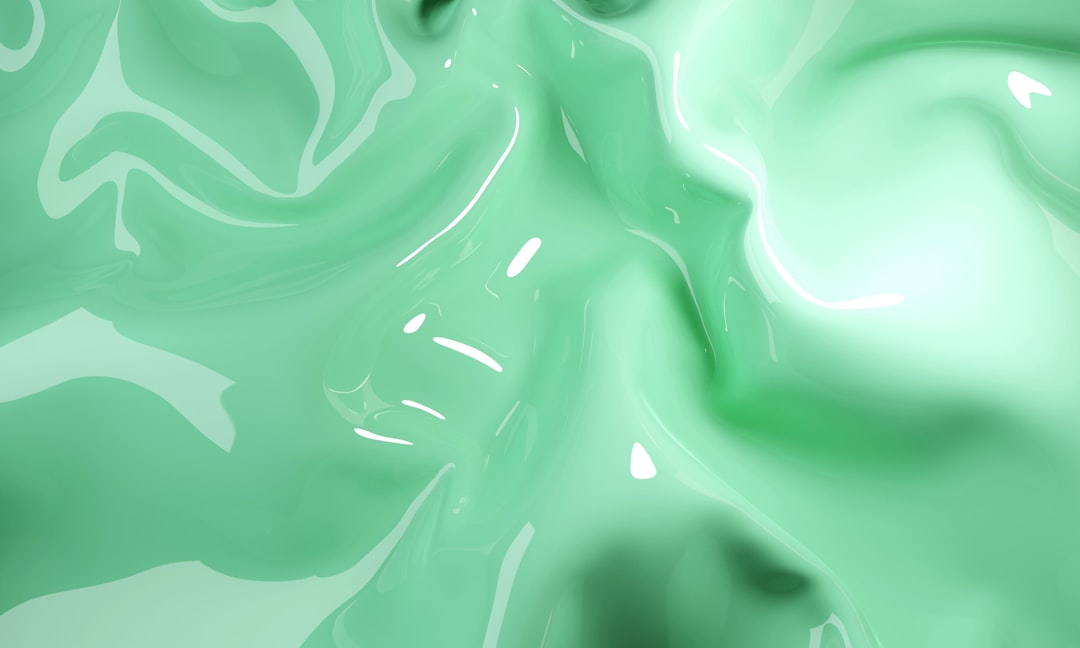
Seafoam is named after the pale foam on ocean waves, and that origin explains its character: a soft green with more blue and a whisper of gray. The value #9FE2BF leans cooler and more muted than mint, sitting closer to the green-blue boundary. The result is a tranquil, slightly faded tone that feels aquatic and serene.
Because seafoam is gentler and less saturated than mint, it excels in calming contexts — spa and beauty brands, coastal interiors, and soothing app interfaces. It pairs naturally with sandy beige, soft white, and muted teal for a relaxed, beachy palette. If you are choosing between blue-greens generally, our teal vs turquoise guide covers the cyan side of the spectrum.
When should you use mint vs seafoam?
Decide based on whether you want energy or calm. Mint’s crisp, clearly green character brings freshness and a clean, modern lift. Seafoam’s bluer, grayer softness brings serenity and a coastal, spa-like calm. Both are light enough to use as backgrounds or large fills without overwhelming a layout.
- Use mint for: wellness and dental brands, tech products, fresh-food packaging, clean modern web UI.
- Use seafoam for: spa and beauty brands, coastal interiors, calming apps, relaxed editorial palettes.
- Use them together: mint as a brighter accent over a seafoam base gives a soft, ombre-like green-to-blue palette.
Both lean cool, but seafoam’s blue cast is stronger. To keep a pastel-green palette from feeling cold or clinical, balance it with a warm neutral — our warm vs cool colors guide explains how. For another comparison of delicate greens, see chartreuse vs lime at the brighter end of the family.
How do mint and seafoam perform on screen and in print?
Both pastels render cleanly in RGB and make excellent light backgrounds for the web, though their low contrast means you should pair them with darker text for accessibility. In CMYK, very light greens can wash out or pick up unwanted yellow, so proof carefully and consider nudging saturation up slightly for print. Seafoam’s gray component generally makes it more print-forgiving than the brighter mint.
Which colors pair well with mint and seafoam?
Both pastels are light and cool, so their companions set the mood. Mint pairs crisply with bright white, soft gray, and charcoal for a clean, modern look, and it gains energy next to a warm contrast like coral, peach, or soft yellow. For a confident tech or wellness palette, mint over white with a single dark accent reads fresh and trustworthy. Because mint is bright, it can serve as more than a background — it can carry buttons, icons, and highlights as long as text contrast is checked.
Seafoam leans coastal, so it shines alongside sandy beige, driftwood gray, soft white, and muted teal for a relaxed, spa-like scheme. Add a warm sand or terracotta and seafoam instantly feels beachy rather than cold. Its built-in gray makes it a forgiving background that other muted tones sit on comfortably, which is why it appears so often in calming app interfaces and serene interiors.
When deciding which to lead with, ask whether the design should feel energetic or restful. Mint pushes toward clean and lively; seafoam pulls toward calm and airy. Both are light enough to dominate large areas, but pairing either with a warm neutral keeps the palette from tipping into a clinical or chilly feeling.
Frequently Asked Questions
Is seafoam more blue or green?
Seafoam is green-leaning but carries a clear blue cast plus a hint of gray, which sets it apart from a pure green like mint. On the color wheel it sits closer to the green-blue boundary, so it reads cooler and more aquatic. Mint, by contrast, stays firmly in the green family.
Which is better for a calming brand?
Seafoam is usually the stronger choice for calming, soothing brands because its blue-gray softness reads serene and spa-like. Mint can feel calming too, but its brighter, crisper green leans more energetic and clean. For wellness or relaxation, seafoam; for fresh and hygienic, mint.
Do mint and seafoam go together?
Yes, beautifully. They share a soft, light, cool character but differ in hue, so mint adds a brighter green accent while seafoam provides a calmer blue-green base. Together they create a gentle, ombre-style palette that works well for coastal, wellness, and modern minimalist designs.
Are these hex codes standardized?
No. Mint and seafoam are informal color names with no single official value, so they vary by source. The #98FF98 used for mint and #9FE2BF for seafoam are common representative values. For production or brand work, confirm against your own guidelines or a Pantone reference.