Mustard vs Yellow: What’s the Difference?
Both belong to the yellow family, but the mustard vs yellow distinction is about saturation and undertone. Yellow in its pure form is the brightest hue on the wheel — clean and high-energy. Mustard is that same yellow knocked down with brown and a touch of green, producing a muted, earthy, retro tone. One is sunshine; the other is the color of the condiment it’s named after.
What is mustard?
Mustard is a dark, muted yellow with clear brown and faintly green undertones, named after the prepared condiment. A representative value sits around #E1AD01. What defines mustard is its low saturation and reduced lightness: it’s yellow with the brightness pulled out and earthiness added, which gives it a vintage, 1970s warmth. It never reads as cheerful in the way pure yellow does — instead it feels sophisticated, grounded, and a little nostalgic.
Designers love mustard for retro and autumnal palettes, fashion, craft and heritage branding, and interiors that want warmth without brightness. It pairs especially well with deep teal, burgundy, and charcoal. Because it sits right next to the honey-orange range, it’s worth comparing with our amber versus gold breakdown in this same batch.
What is yellow?
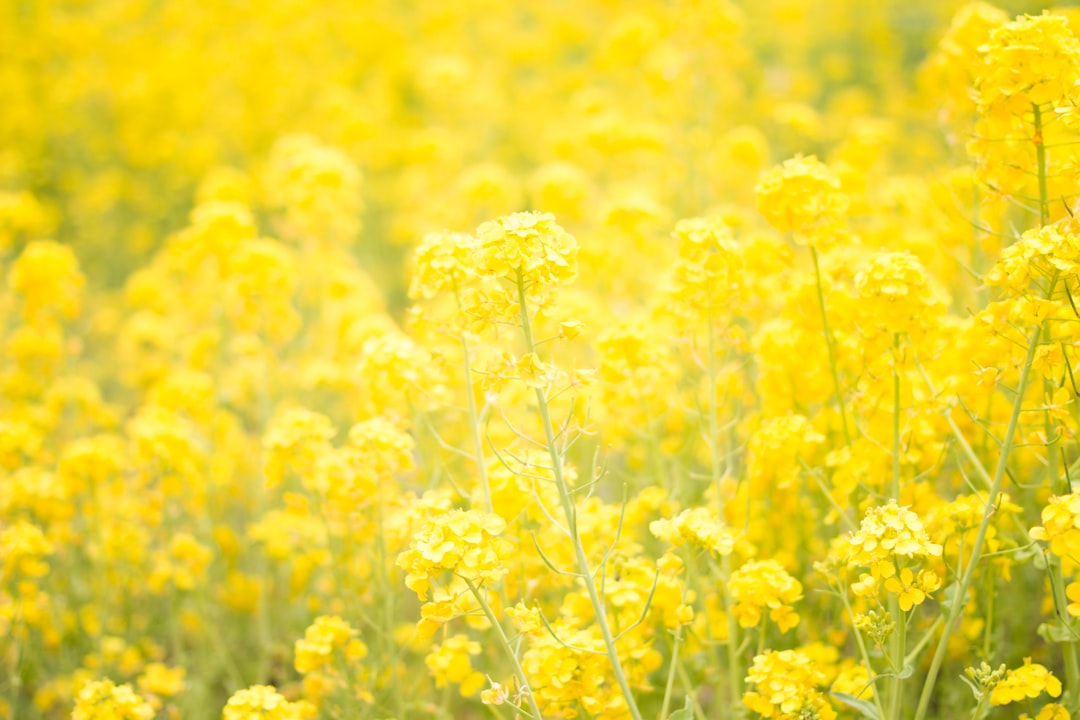
Yellow in its pure form is the brightest, most luminous color on the spectrum — a representative value is #FFFF00. It’s fully saturated with maximum lightness, which is why it’s used for caution signs, highlighters, and anything that needs to grab attention instantly. Pure yellow reads as energetic, optimistic, and youthful, but in large doses it can feel harsh, which is why brands often soften or deepen it.
Yellow is a workhorse for attention, warmth, and friendliness across signage, packaging, and playful branding. Where mustard is muted and grown-up, pure yellow is loud and cheerful. For the metallic and luxury end of the yellow range, our gold versus yellow comparison is the natural next read.
What’s the difference between mustard and yellow?
The difference is saturation, darkness, and undertone. Mustard is a dark, muted yellow with brown and green in it; pure yellow is bright, clean, and fully saturated. Here’s a side-by-side using representative values — these are descriptive color names, not standardized inks, so exact hexes vary by brand and product.
| Property | Mustard | Yellow |
|---|---|---|
| Hex code | #E1AD01 | #FFFF00 |
| RGB | 225, 173, 1 | 255, 255, 0 |
| CMYK | 0, 23, 100, 12 | 0, 0, 100, 0 |
| Undertone | Warm, brown/green-leaning | Pure warm yellow, no muting |
| Hue family | Dark, muted yellow | Bright, saturated yellow |
| Best used for | Retro/autumn palettes, fashion, heritage branding, interiors | Signage, highlights, playful and youthful branding |
| Mood/feel | Earthy, vintage, sophisticated, warm | Bright, energetic, optimistic, attention-grabbing |
When should you use each?
Choose mustard when you want warmth and personality without glare. Its muted, earthy quality suits autumn and retro palettes, fashion, craft and heritage brands, and interiors that want a grown-up yellow. Mustard works as a large brand color because it’s comfortable to look at for long stretches, unlike pure yellow.
Choose yellow when you need attention, energy, or instant cheerfulness. Pure yellow is unbeatable for caution, highlights, and youthful, playful branding, and it shines as a bright accent against dark backgrounds. Because it’s so intense, use it deliberately — small doses for emphasis rather than large fields, where it can overwhelm.
A quick test: if the yellow looks like it could glow in the dark, it’s pure yellow; if it looks like it has brown or olive mixed in, it’s mustard. For more on how brightness and warmth shift a palette’s feel, our guide to warm versus cool colors is a helpful companion.
Do mustard and yellow go together?
Yes — they’re the same hue family at different intensities, so they layer into a cohesive scheme. Using mustard as the deeper base and a brighter yellow as a small accent gives the palette warmth plus a spark of energy. The built-in difference in saturation keeps them clearly distinct, so the combination reads as intentional rather than muddy.
To balance the warmth, pair them with a cool contrast like deep teal or navy, which makes both yellows feel richer. If your “yellow” is actually heading toward honey or metallic territory, the amber versus gold comparison will help you place it precisely before you build the rest of the palette.
How do you mix mustard from yellow?
Understanding how mustard is built makes the difference obvious. Starting from a pure yellow, you reach mustard by doing two things: darkening it and dulling it. The darkening comes from adding a small amount of black or, more naturally, brown; the dulling comes from introducing yellow’s complement — a touch of purple — or a little of its neighbor, a muted green. The result is a color that keeps yellow’s warmth but loses its glare, which is precisely the quality that makes mustard feel vintage and grounded.
This recipe also explains mustard’s behavior in palettes. Because it contains traces of brown and green, mustard sits comfortably next to earth tones, olives, and deep jewel colors, where pure yellow would clash or scream. It’s a “team player” yellow. Pure yellow, having no muting, stays an outsider that dominates any combination it joins — useful when you want a single shock of energy, awkward when you want harmony.
For digital work, the takeaway is that mustard is far more forgiving than pure yellow. Mustard provides usable contrast against white and dark text alike and can fill large areas without fatiguing the eye, while pure yellow offers almost no contrast on white and quickly becomes tiring. If you love the energy of yellow but need it to behave across a full layout, mustard is the practical, accessibility-friendly version of the same warmth.
Frequently Asked Questions
Is mustard a darker yellow?
Yes. Mustard is a darker, muted version of yellow, created by adding brown and a touch of green and reducing saturation. Pure yellow is bright and fully saturated, while mustard reads as earthy, vintage, and warm. The muting is exactly what separates the two.
What is the hex code for mustard?
A common representative hex for mustard is #E1AD01, with RGB values of 225, 173, 1. Mustard spans a range of dark, muted yellows, so you’ll see warmer or more olive-leaning variants; treat #E1AD01 as a dependable midpoint rather than a fixed standard.
Does mustard have green in it?
Yes, faintly. Mustard’s muted character comes from mixing brown into yellow, and that often introduces a subtle green or olive undertone. This is why mustard reads as earthy and slightly drab compared to a clean, bright yellow, and why it pairs so well with teal and forest green.
Can mustard and yellow be used together?
Absolutely. They share a hue family at different saturations, so mustard as a base with bright yellow as an accent creates a warm, layered palette. The natural difference in intensity provides contrast and hierarchy, so the combination looks deliberate rather than washed out.
Why is pure yellow hard to use in branding?
Pure yellow is the brightest, most intense hue, so large areas of it can feel harsh and tiring to the eye, and it offers poor contrast against white. Many brands deepen it toward mustard or gold, or use it only as a small, high-impact accent against darker colors.