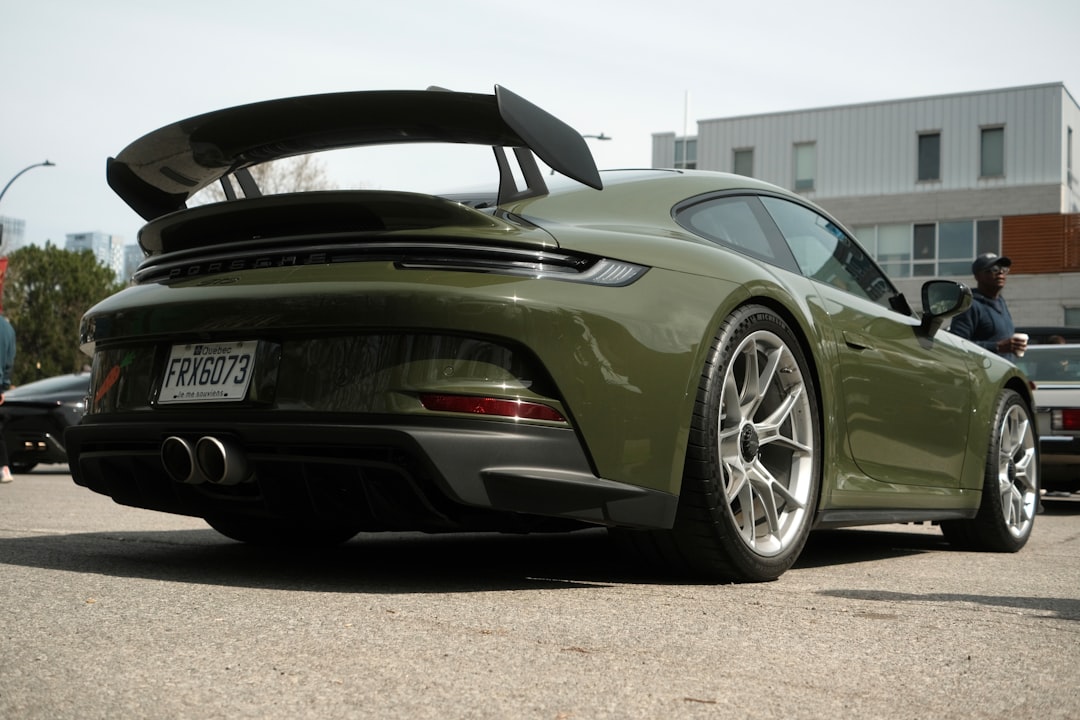
Olive vs Army Green: What’s the Difference?
The olive vs army green comparison trips people up because both are earthy, military-adjacent greens that sit far from any “pure” green. Olive carries an obvious yellow-gold warmth; army green is darker, grayer, and more deliberately drab. Below we compare hex values, undertones, and where each belongs in fashion, branding, and interiors.
What is the difference between olive and army green?
Both colors are desaturated, earthy greens, but they differ in lightness and warmth. Olive is essentially a dark yellow with a green cast — it reads warm and almost golden in good light. Army green pushes further toward gray and brown, producing the flatter, more utilitarian tone associated with military uniforms and field gear. Olive feels organic and Mediterranean; army green feels rugged and functional. Neither name is a standardized color, so the exact hex values shift from brand to brand.
| Attribute | Olive | Army Green |
|---|---|---|
| Hex code | #808000 | #4B5320 |
| RGB | 128, 128, 0 | 75, 83, 32 |
| CMYK | 0, 0, 100, 50 | 10, 0, 61, 67 |
| Undertone | Warm, yellow-gold | Muted, gray-brown |
| Hue family | Yellow-green | Dark muted green |
| Best used for | Fashion, food/organic brands, interiors | Military/tactical, streetwear, rugged outdoor |
| Mood/feel | Earthy, warm, sophisticated | Utilitarian, rugged, understated |
What does olive green look like?
Olive takes its name from the unripe olive fruit, and the classic web value #808000 reflects that: equal red and green with zero blue produces a dark, golden yellow-green. The yellow component is doing most of the work, which is why olive feels warm and natural rather than crisp or cool. It is a staple of earthy, sophisticated palettes.
In design, olive reads as refined and grounded. It works beautifully alongside cream, terracotta, mustard, and warm browns, making it a favorite for organic food packaging, wellness brands, and Mediterranean-inspired interiors. For a related earthy-green pairing, see how olive compares in our sage vs olive green guide.
What does army green look like?
Army green — sometimes called military green or olive drab — is intentionally subdued. The representative value #4B5320 is darker and grayer than olive, designed historically to blend into natural surroundings rather than stand out. That built-in drabness is the point: it signals function over decoration.
Today army green has crossed over from uniforms into streetwear, tactical gear, and rugged outdoor branding. It conveys durability, practicality, and a no-nonsense attitude. Because it is so muted and dark, it behaves almost like a neutral, pairing easily with black, tan, and faded denim.
When should you use olive vs army green?
Pick based on warmth and energy. Olive’s golden lean makes it the better choice when you want an earthy color that still feels elevated and inviting. Army green’s gray-brown drabness suits projects that need to read as tough, practical, or deliberately understated.
- Use olive for: organic and natural-food brands, fashion that wants warmth, sophisticated interiors, autumn palettes.
- Use army green for: tactical and outdoor gear, streetwear, rugged product packaging, utilitarian UI accents.
- Use them together: olive as a warm highlight against army green’s deeper base gives a layered, field-inspired palette.
Both are warm-leaning greens, which sets them apart from cooler shades. If you are deciding how an earthy green fits a wider scheme, our warm vs cool colors guide is a useful companion. For an even softer, grayer earthy green, compare moss green vs olive.
How do olive and army green perform across media?
Olive reproduces reasonably well in both RGB and CMYK, though its yellow component can shift slightly warmer in print — proof it against your stock. Army green is very print-stable thanks to its darkness and low saturation, which is partly why it has endured in manufacturing and uniforms. On the web, both work as muted accents or section backgrounds; army green in particular makes a strong, low-glare dark-UI surface.
Which colors pair well with olive and army green?
Both greens are earthy anchors, but their different warmth points to different companions. Olive thrives in warm, sophisticated palettes: cream, mustard, terracotta, and warm brown all echo its golden lean, while a touch of burnt orange or rust makes it feel autumnal and rich. Olive also plays surprisingly well with muted plum or deep burgundy, which add depth without fighting its warmth. Because olive is itself fairly saturated, it can carry a palette as a lead color rather than just an accent.
Army green behaves more like a rugged neutral, so it pairs cleanly with black, tan, faded denim blue, and weathered gray for that utilitarian, field-ready look. Add safety-orange or a brass accent and it reads tactical and intentional; add cream and it softens just enough for streetwear. Army green’s drabness is a feature here — it lets louder accent colors pop while keeping the overall scheme grounded and tough.
When choosing between them for a system, think about temperature and tone. If the brand should feel warm, elevated, and organic, build on olive. If it should feel practical, durable, and understated, build on army green. The two can even share a palette, with olive as a warm highlight over army green’s deeper, cooler base for a layered, surplus-store aesthetic.
Frequently Asked Questions
Is olive green the same as army green?
No. They are related earthy greens but distinct. Olive (around #808000) is lighter and warmer with a clear yellow-gold lean, while army green (around #4B5320) is darker, grayer, and more drab. Army green is sometimes called olive drab, which adds to the confusion, but the two read noticeably different side by side.
Which is better for fashion?
Both are fashion staples, but for different looks. Olive suits warm, sophisticated, earthy outfits and reads as elevated. Army green suits utilitarian, streetwear, and rugged styles. Olive pairs with cream and tan; army green pairs with black and faded denim. Choose based on whether you want warmth or toughness.
Do olive and army green go together?
Yes. Because they share an earthy, muted character but differ in lightness and warmth, olive works as a lighter highlight against army green’s deeper base. The combination feels cohesive and field-inspired, and both pair comfortably with neutrals like tan, black, and warm brown.
Are these hex codes official?
No. Neither color is a fixed standard, so values vary widely by brand and context. The web color olive is officially #808000, but “army green” has no single definition — #4B5320 is a common representative. Always confirm against your specific brand or material reference for production.


