Shades of Periwinkle: Names and Hex Codes
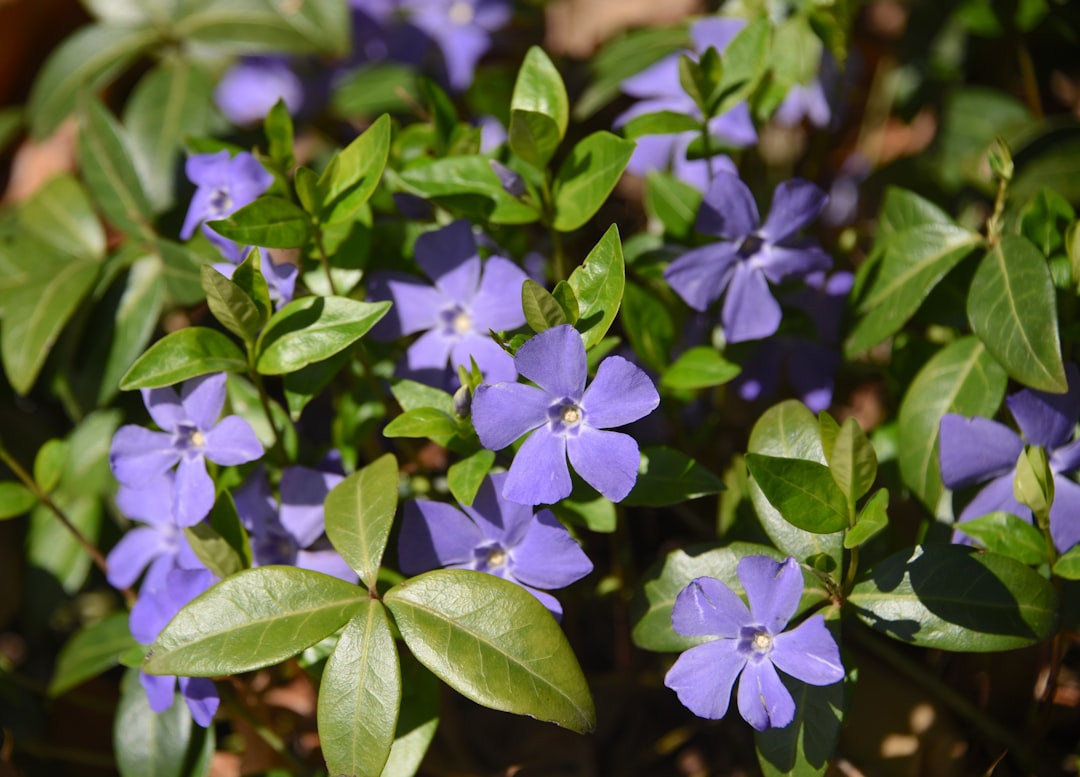
This is a practical reference for the most useful shades of periwinkle, with accurate hex codes, RGB values, and notes on character and use. Periwinkle is a soft blue with a violet cast named after the flower — cooler than lavender, lighter than indigo, and gentler than a true blue. Small shifts toward blue, purple, or grey turn it from an airy pastel into a saturated blue-violet or a soft greyed lilac, so the right periwinkle depends entirely on the mood you want. Use the table below as a citable palette, then read on for how the shades group together.
For how periwinkle compares with its closest relative, see periwinkle vs lavender; for the symbolism, read color psychology. The deeper red-purples that pair with it are covered in our shades of plum reference, and the soft greyed purples in shades of mauve.
Shades of periwinkle: full table
| Shade name | Hex | RGB | Notes |
|---|---|---|---|
| Periwinkle | #CCCCFF | 204, 204, 255 | Pale lilac-blue baseline. |
| Dark Periwinkle | #8E82FE | 142, 130, 254 | Saturated blue-violet periwinkle. |
| Light Periwinkle | #C5CBE1 | 197, 203, 225 | Pale greyed blue periwinkle. |
| Blue Periwinkle | #7B68EE | 123, 104, 238 | CSS mediumslateblue; blue-leaning. |
| Lavender Periwinkle | #B8A8E0 | 184, 168, 224 | Purple-leaning soft periwinkle. |
| Periwinkle Grey | #C3CDE6 | 195, 205, 230 | Cool greyed blue periwinkle. |
| Dusty Periwinkle | #A2A2D0 | 162, 162, 208 | Muted greyed periwinkle. |
| Pale Periwinkle | #E0E0FF | 224, 224, 255 | Very light tint of periwinkle. |
| Mid Periwinkle | #9999E6 | 153, 153, 230 | Balanced true periwinkle. |
| Deep Periwinkle | #6667AB | 102, 103, 171 | Darker muted blue-violet. |
| Bright Periwinkle | #8B8BE8 | 139, 139, 232 | Vivid clear periwinkle. |
| Powder Periwinkle | #AEC6CF | 174, 198, 207 | Soft blue-grey periwinkle. |
| Periwinkle Blue | #5D5FA6 | 93, 95, 166 | Deep blue-toned periwinkle. |
| Periwinkle Mist | #D6D6F5 | 214, 214, 245 | Hazy pale periwinkle. |
| Iris Periwinkle | #9A8FD8 | 154, 143, 216 | Violet-tinged periwinkle. |
| Soft Periwinkle | #B4B8E5 | 180, 184, 229 | Gentle muted periwinkle. |
| Slate Periwinkle | #7C83C4 | 124, 131, 196 | Cool slate-blue periwinkle. |
| Sky Periwinkle | #9D9DEB | 157, 157, 235 | Light airy blue periwinkle. |
| Twilight Periwinkle | #4F4F8C | 79, 79, 140 | Deep dusky periwinkle. |
| Wisteria Periwinkle | #C9BFE8 | 201, 191, 232 | Soft lilac-leaning periwinkle. |
| Cornflower Periwinkle | #8A90C8 | 138, 144, 200 | Cornflower-blue periwinkle. |
| Periwinkle Navy | #3E3E6B | 62, 62, 107 | Near-navy deepest periwinkle. |
| Steel Periwinkle | #B0B7DE | 176, 183, 222 | Cool steel-blue periwinkle. |
| Amethyst Periwinkle | #A18FE6 | 161, 143, 230 | Purple amethyst-periwinkle. |
| Ice Periwinkle | #DDDDFA | 221, 221, 250 | Frosty pale blue-violet tint. |
| Indigo Periwinkle | #6A6FBF | 106, 111, 191 | Deeper indigo-leaning periwinkle. |
Light and pastel periwinkles
The lightest periwinkles read as airy and dreamy. Periwinkle (#CCCCFF), Pale Periwinkle (#E0E0FF), Periwinkle Mist (#D6D6F5), Soft Periwinkle (#B4B8E5), and Sky Periwinkle (#9D9DEB) are the soft, low-saturation lilac-blues that feel gentle and serene. The named Periwinkle at #CCCCFF is the pastel baseline most people picture — equal parts blue and violet, light enough to work as a tinted background. The very lightest options like Ice Periwinkle (#DDDDFA) read almost as a cool tinted white, ideal for spacious backgrounds. These pale periwinkles are popular in wellness, baby, and tech branding because they feel calm and friendly, pairing beautifully with white, soft grey, and blush, and they make excellent section backgrounds in interfaces where a pure grey would feel cold and clinical.
True blue-violet periwinkles
The defining periwinkles balance blue and violet at fuller saturation. Dark Periwinkle (#8E82FE), Mid Periwinkle (#9999E6), Bright Periwinkle (#8B8BE8), and Iris Periwinkle (#9A8FD8) are the vivid, clear tones that read as fresh and a little futuristic. Dark Periwinkle at #8E82FE is the saturated benchmark — bright enough to use as a brand color, soft enough to stay gentle. These true periwinkles are the workhorses of modern, optimistic palettes and pair well with coral and warm yellow for a lively contrast.
Greyed and dusty periwinkles
Pull periwinkle toward grey and it becomes a sophisticated near-neutral. Light Periwinkle (#C5CBE1), Periwinkle Grey (#C3CDE6), Dusty Periwinkle (#A2A2D0), Steel Periwinkle (#B0B7DE), and Powder Periwinkle (#AEC6CF) carry enough grey to function as calm backgrounds and supporting tones. These dusty periwinkles are ideal for large surfaces and UI backgrounds where you want subtle color without a statement, working beautifully alongside cream and warm grey.
Deep and purple-leaning periwinkles
The richest periwinkles go dark or violet. Deep Periwinkle (#6667AB), Periwinkle Blue (#5D5FA6), Twilight Periwinkle (#4F4F8C), and Periwinkle Navy (#3E3E6B) are the deep, dusky tones that anchor a palette and read as calm and grounded. Cooler variants such as Indigo Periwinkle (#6A6FBF) edge toward the indigo border for a more serious, corporate feel. Push the hue toward purple and you reach Lavender Periwinkle (#B8A8E0), Amethyst Periwinkle (#A18FE6), and Wisteria Periwinkle (#C9BFE8), which feel softer and more floral. The purple end borders on lavender — for where that line falls, see periwinkle vs lavender.
Most popular shades of periwinkle
The periwinkles most people name and use are Periwinkle (#CCCCFF) as the pastel baseline, Dark Periwinkle (#8E82FE) for a saturated brand option, Light Periwinkle (#C5CBE1) for a greyed background, Blue Periwinkle (#7B68EE) for a blue-leaning tone, and Lavender Periwinkle (#B8A8E0) for a purple-leaning soft option. Together they cover pastel through saturated to deep, which is why they anchor most calm, modern palettes.
How to use shades of periwinkle in design
Periwinkle signals calm, friendliness, and gentle optimism, so it lifts palettes that want to feel approachable and fresh. Use pale periwinkles like Periwinkle and Pale Periwinkle for backgrounds and large surfaces; use true periwinkles like Dark Periwinkle and Mid Periwinkle as the primary brand color; and reserve deep periwinkles like Periwinkle Blue and Twilight for anchors, headers, and accents. Periwinkle pairs beautifully with coral, warm yellow, blush, cream, and soft grey, evoking serenity with a hint of playfulness. The main risk is that an all-pastel periwinkle palette can feel weak, so build contrast with a deep periwinkle anchor or a warm coral accent. A reliable approach treats a deep periwinkle as your anchor, a true periwinkle as the primary, and a pale periwinkle or neutral for backgrounds. Because periwinkle reads as calm and modern, it suits wellness, tech, beauty, and lifestyle brands particularly well. In interface design, periwinkle is a useful middle ground between corporate blue and playful purple, signalling trust without feeling cold, and a deep periwinkle works well for primary buttons where a saturated indigo would feel heavy and a pale tint would lack contrast.
Frequently Asked Questions
What is the hex code for periwinkle?
The most common hex code for periwinkle is #CCCCFF (RGB 204, 204, 255), a pale lilac-blue. For a more saturated version use Dark Periwinkle (#8E82FE), for a greyed one use Light Periwinkle (#C5CBE1), and for a blue-leaning tone use Blue Periwinkle (#7B68EE). Periwinkle is defined by its balance of blue and violet.
What is the difference between periwinkle and lavender?
Periwinkle leans more blue, reading as a soft blue with a violet hint, while lavender leans more purple, reading as a pale purple with a pink hint. Periwinkle feels cooler and fresher; lavender feels warmer and more floral. The two overlap in their lightest tints, but periwinkle always sits closer to blue.
How many shades of periwinkle are there?
Periwinkle variations are effectively limitless because periwinkle spans the blue-violet pastel band, but designers typically reference 20 to 30 named shades. This list includes 24 of the most recognized, from pale tints through saturated blue-violets to deep dusky and purple-leaning tones.
What colors go well with periwinkle?
Periwinkle pairs naturally with coral, warm yellow, blush, and cream for a fresh, friendly palette. For high contrast, combine periwinkle with orange or gold. Dusty and greyed periwinkles also work alongside soft grey and white for a calm, modern scheme.