Sports Team Logo Design: Marks and Mascots
A sports team logo is not one logo — it is a small family of marks built to live on caps, jerseys, helmets, scoreboards, and merch. The best team identities have a primary mark, secondary marks, and often a mascot, all engineered to scale, embroider cleanly, and work in a single color. This guide covers how to build that system so it performs on every surface a team and its fans put it on.
Team identity sits inside the broader athletic-brand world covered in our pillar on gym branding, and it pairs directly with how the mark gets applied in sports jersey design.
The Sports Logo System: More Than One Mark
Professional and collegiate teams rarely use a single logo. They build a coordinated set so the identity flexes across contexts without looking thin:
- Primary mark / crest: the full team identity, used on the main jersey, signage, and official materials.
- Secondary marks: simpler supporting logos — a monogram, a roundel, or an icon — for hats, sleeves, and merch where the primary is too busy.
- Mascot logo: an illustrated character that carries personality, used in fan-facing and youth contexts.
- Wordmark: the team or city name set in a custom athletic typeface.
- Number / jersey font: a coordinated numeral set for the back of kits.
This system means a team can put a clean monogram on a cap, a bold wordmark across a chest, and a detailed mascot on a poster — all clearly from the same identity.
Primary, Secondary, and Mascot Marks
The primary mark
This carries the most meaning and detail. It often combines a symbol, the team name, and sometimes an establishment year. Keep it bold and readable; even the primary should survive being shrunk and reproduced in one color.
Secondary marks
Secondary marks exist because the primary is often too detailed for small or single-color applications. A monogram (the team initials locked together) or a simple roundel becomes the cap logo and the sleeve patch. Design these to read perfectly at hat-badge size.
The mascot
A mascot logo gives the team a face and an attitude — fierce, playful, or proud. Mascots are illustration-heavy, so they need a simplified version for embroidery and small print. For the craft of designing a character mark that scales, see our dedicated mascot logo design guide.
It Has to Embroider, Print, and Scale
The single most important constraint on a team logo is reproduction. The same mark gets stitched on a cap, screen-printed or sublimated on a jersey, etched on an award, and shrunk into a social avatar. Design for the hardest case first:
- Embroidery: no fine gradients, no hairlines, limited thread colors. The mark must work as bold flat shapes with clear separation.
- Small scale: test the cap-badge and avatar size; if detail clogs, simplify or switch to a secondary mark.
- Single color: a solid black and solid white version is mandatory for stamping, etching, and one-color print.
- Large scale: the mark must also stay crisp on a court floor or stadium banner, so keep it vector.
Typography and Numbers
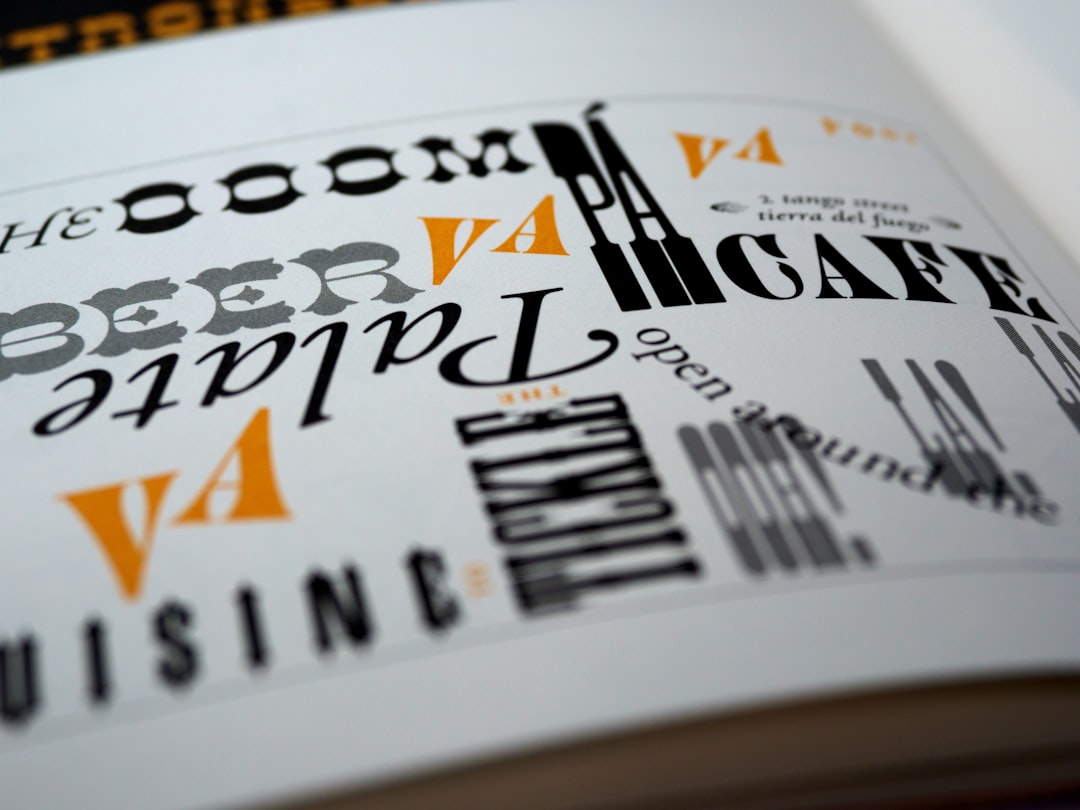
Athletic teams use bold condensed or slab typefaces with a varsity heritage — strong, blocky, and legible from the stands. The wordmark and the jersey numbers should feel like one family. Common directions include collegiate block letters, aggressive italic slabs, and modern geometric sans. Whatever you choose, the numerals must be legible at distance, since referees, broadcasters, and fans need to read them across a field. We cover number legibility and placement in depth in our jersey design guide.
Color and Rivalry
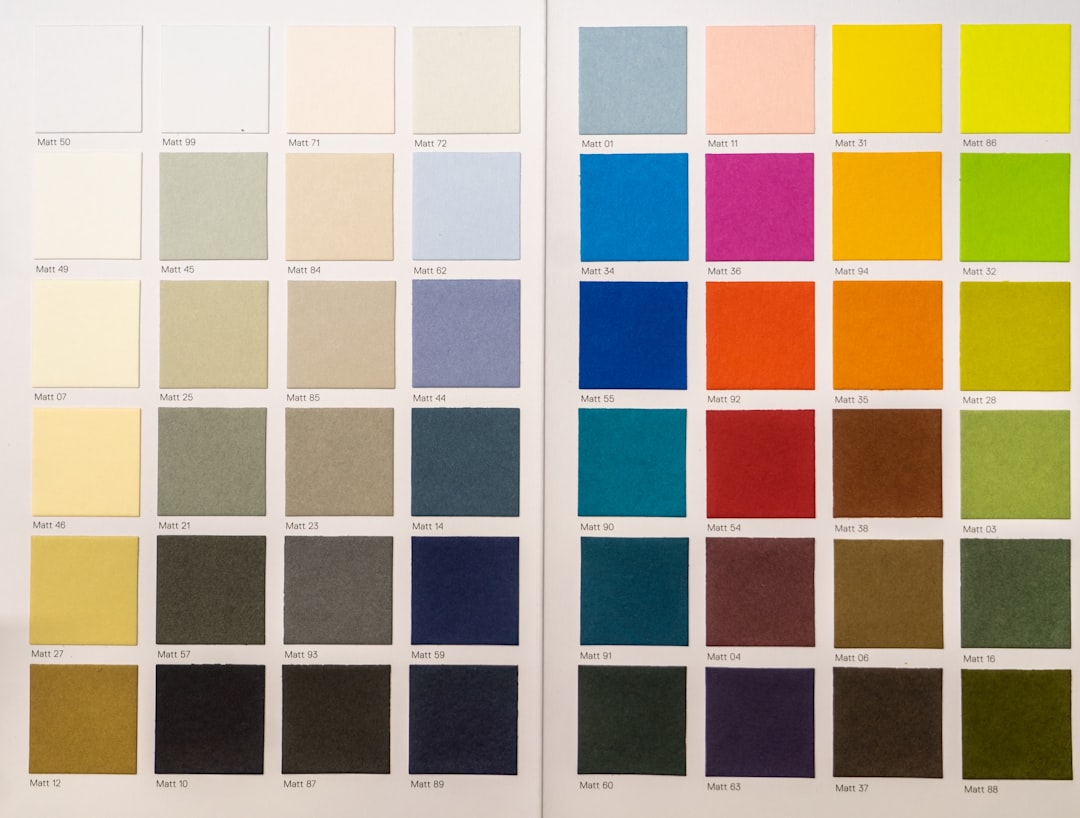
Team colors are tribal — they go on faces, flags, and walls — so commit to a tight, ownable palette and document exact values. Two to three colors is typical: a primary, a secondary, and a metallic or neutral. Consider contrast against opponents too, because home and away kits must stay distinguishable on the field, which ties team color choices directly to jersey rules.
| Mark type | Primary use | Detail level |
|---|---|---|
| Primary crest | Main jersey, signage | High |
| Secondary monogram | Caps, sleeves, merch | Low — reads tiny |
| Mascot | Fan merch, posters, youth | High — needs simplified variant |
| Wordmark | Chest, banners | Medium |
What Makes a Mark Feel Like a Team
Team logos carry a tribal weight that gym and product logos do not. Fans wear them, paint them on their faces, and pass them down, so the best ones feel timeless rather than trendy. A few principles separate a real team identity from a generic athletic graphic:
- Heritage cues: establishment years, classic shield and crest shapes, and varsity lettering signal permanence and pride.
- A single strong idea: one animal, one symbol, or one bold monogram beats a busy collage of motifs.
- Confident geometry: clean, deliberate shapes that look intentional at any size, not fussy illustration.
- Restraint with trends: heavy gradients and effects date fast; a team mark should still look right in ten years.
The goal is a mark fans would be proud to tattoo — that is the bar a great team logo clears.
Designing the Mascot Side
When a team uses a mascot, treat it as its own design project with its own constraints. A mascot needs a strong silhouette that reads even as a solid black shape, an expressive but not over-detailed face, and a clear attitude that matches the team’s personality. Because the detailed illustration cannot be embroidered or printed small, design a simplified head-only or icon version alongside it for caps, sleeves, and avatars. Keep the color count low so the mascot survives the same reproduction tests as every other mark in the system, and make sure it lives comfortably next to the primary crest rather than fighting it for attention.
Design Process and Tools
Build everything in Adobe Illustrator as vectors so each mark scales from cap badge to stadium banner. Start with rough sketches to lock the concept, then refine the geometry, then test reproduction by mocking up the logo on a cap, a jersey, and a small avatar. Use Photoshop for realistic apparel and helmet mockups, and Figma for the digital and social applications. For the general workflow, see our logo design process guide.
Common Sports Logo Mistakes
- One mark for everything: a detailed crest does not work as a cap badge. Build secondary marks.
- Too many gradients and effects: they die in embroidery and one-color print.
- Illegible numbers: over-styled numerals fail the distance test. Legibility wins.
- No simplified mascot: an illustration-only mascot can’t be stitched cleanly.
- Off-brand color drift: document exact HEX, RGB, CMYK, and Pantone so every vendor matches.
Frequently Asked Questions
What marks does a sports team logo system need?
At minimum, a primary crest, one or two secondary marks (like a monogram for caps), a wordmark, and a coordinated number set. Many teams add a mascot logo for personality. The system lets the identity flex from a tiny cap badge to a full chest crest while staying clearly unified.
Why does a team logo need a single-color version?
Caps are embroidered, awards are etched, and much merch is one-color printed — none of which handle gradients or fine detail. A solid black and solid white version guarantees the mark reproduces cleanly everywhere. Designing in one color first also forces a stronger, bolder shape overall.
What fonts work for sports team logos?
Bold condensed and slab typefaces with a varsity or collegiate heritage work best because they read from the stands. The wordmark and jersey numbers should feel like one family, and numerals must stay legible at distance for referees, broadcasters, and fans across a field.
Do I need a mascot for my team?
Not always, but a mascot adds personality and works well for fan merch and youth teams. If you use one, design a simplified variant alongside the detailed illustration so it can be embroidered on caps and printed small without losing its character.