Essential Graphic Design Skills to Master in 2026
The most valuable graphic design skills in 2026 aren’t the ones a single software tutorial teaches — they’re the durable fundamentals (typography, layout, color) layered with current technical fluency (motion, AI-assisted workflows) and the soft skills that get you hired and re-hired. Tools change every year; the underlying craft does not. This guide separates the skills that move your career from the ones that just fill a resume.
These skills are also what set your earning ceiling. If you want to see how they translate to income, our graphic design salary guide maps capability to pay across experience levels.
Core craft skills (non-negotiable)
Everything else sits on top of these. Weakness here is visible in every project regardless of how polished the execution looks.
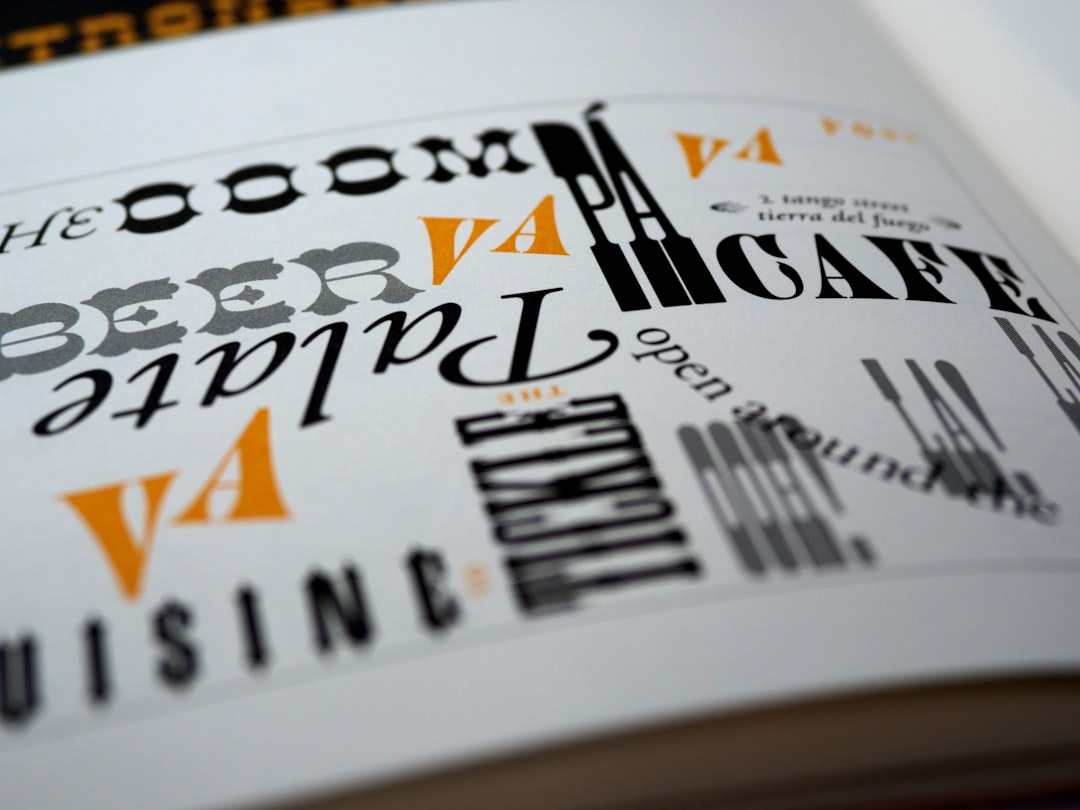
- Typography. The single most underrated skill. Understanding hierarchy, pairing, spacing, and readability separates professional work from amateur work instantly. Most “bad design” is actually bad type.
- Layout and composition. Grids, alignment, balance, and white space. A strong layout makes mediocre assets look intentional; a weak one undermines great ones.
- Color theory. Building palettes that work, understanding contrast and accessibility, and using color to direct attention rather than decorate.
- Visual hierarchy. Controlling where the eye goes first, second, and third. This is the skill that makes communication, not just decoration.
Typography in particular pays compounding dividends — our font pairing guide is a good place to deepen it.
Technical and software skills
Tools are table stakes, but fluency (not just familiarity) is what speeds you up and frees attention for the actual design.
- The Adobe core: Photoshop for raster, Illustrator for vector, InDesign for layout and print. Know which tool fits which job and why.
- Figma: Now essential beyond UI work — it’s a default for collaborative design, presentations, and quick prototyping.
- Print production: Bleed, CMYK, resolution, file prep. Niche but valuable, because few younger designers learn it and clients still need print.
- AI-assisted workflows: Using generative and editing AI tools to ideate, remove backgrounds, upscale, and explore variations faster. In 2026 this is a productivity multiplier, not a replacement for judgment — the skill is directing the tools, not the tools themselves.
Growth skills that raise your rate
These move you from “can execute a brief” to “can be trusted with the brand.”
- Brand and identity systems: Designing logos, guidelines, and consistent systems rather than one-off graphics. Strategic and well paid.
- Motion design: Even basic animation (After Effects, or motion in Figma/Canva) is increasingly expected for social and web. A clear differentiator.
- UX/UI fundamentals: Understanding how design functions, not just how it looks. Bridges into the highest-paid design roles.
- Web and front-end literacy: Knowing how designs become real (responsive behavior, basic HTML/CSS awareness) makes you far easier to work with.
Adding these is one of the most reliable ways to justify higher pricing — see how it plays out for independents in our guide to freelance graphic design rates.
Soft skills that actually get you hired
Designers consistently underrate these, yet they decide who gets the job and who gets recommended.
- Communication: Explaining your decisions in the client’s language, not design jargon. Selling the work is part of the work.
- Receiving feedback: Separating ego from output and iterating without friction. The designers people love working with do this well.
- Time and project management: Meeting deadlines, scoping accurately, and managing your own pipeline.
- Problem framing: Treating design as solving a business problem, not making something pretty. This is the mindset that earns leadership roles.
How to actually build these skills
Skill lists are useless without a practice method. The fastest path:
- Recreate work you admire. Rebuilding strong designs teaches more than tutorials because it forces decisions.
- Do real or self-assigned briefs. Constraints (a brand, an audience, a goal) build judgment that open practice can’t.
- Get critique. Feedback from designers better than you accelerates everything. Communities and portfolio reviews are worth seeking out.
- Ship and document. Each finished piece becomes portfolio evidence. Our portfolio guide explains how to present that work so the skill is legible to clients and employers.
Which skills to prioritize first
If you’re early, fix the fundamentals before chasing trends: typography, layout, color, and hierarchy will improve every single project immediately. Once those are solid, add one technical differentiator (motion, brand systems, or UI) that matches the work you want, then keep your soft skills sharp because they compound over a whole career. Chasing the newest tool while the fundamentals are shaky is the most common way designers stall.
Skills employers and clients actually screen for
There’s a gap between the skills designers list and the ones that decide hiring. In practice, reviewers screen for evidence, not claims. They want to see consistency across a body of work (does every piece show the same level of craft, or just the best one?), the ability to work within a brand or system rather than reinventing it each time, and proof you can hit a deadline. A designer who is slightly less brilliant but completely reliable will out-earn a more talented one who misses dates and resists feedback. When you build skills, build the evidence alongside them — a finished, well-presented project is worth more than a certificate.
How to keep your skills current
Design tools and expectations shift fast, and skills decay if you don’t use them. A sustainable habit beats occasional binges of learning.
- Keep a personal project running. A low-stakes side project is where you can try new tools and techniques without client risk.
- Follow the craft, not just the trends. Study strong work and ask why it works, rather than copying whatever is popular this month.
- Learn one new capability per quarter. A new tool, a new format, or a deeper dive into a fundamental. Small, steady additions compound.
- Stay in a critique loop. Regular feedback from designers you respect catches blind spots faster than any course.
- Adopt new tools deliberately. When something like an AI workflow genuinely speeds you up, integrate it; ignore the rest of the hype.
Frequently Asked Questions
What skills do you need to be a graphic designer?
At minimum: typography, layout and composition, color theory, and visual hierarchy, plus fluency in core software like Photoshop, Illustrator, and Figma. Beyond the craft, communication and the ability to take feedback well are what actually keep designers employed and recommended.
Do graphic designers need to learn AI tools in 2026?
Yes, but as a productivity skill rather than a replacement for design judgment. AI tools speed up ideation, editing, and variations, and clients increasingly expect that efficiency. The valuable skill is directing these tools well and knowing when their output isn’t good enough.
Are soft skills really important for designers?
Very. Two designers with equal craft will have very different careers based on communication, reliability, and how they handle feedback. Soft skills decide who gets hired, who gets referred, and who advances into senior and leadership roles where craft alone isn’t enough.
What is the most important graphic design skill?
Typography is the most consistently impactful, because most work that reads as amateur is really just poor type. Strong type, layout, and hierarchy improve every project regardless of subject, which is why fundamentals should always come before learning the newest software or trend.