Personal Branding: A Designer’s Guide
Personal branding is not a logo and a clever tagline. It is the consistent impression you create across every place someone encounters you, from your resume to your portfolio to your LinkedIn profile. For designers especially, your personal brand is itself a portfolio piece: it proves you can apply the craft to your own identity. This guide builds that system deliberately, from strategy down to the visual details that tie it together.
A personal brand only works when it shows up consistently across your application materials, which is why it connects directly to your resume design and the rest of your job-hunt toolkit.
What Personal Branding Actually Is
Your personal brand is the answer to a simple question someone asks after encountering your work: “What is this person about?” A strong brand makes that answer clear, consistent, and memorable. A weak one leaves people guessing because every touchpoint looks and sounds different.
It has two layers. The strategic layer is your positioning: who you serve, what you do, and what makes your perspective distinct. The expression layer is how that shows up visually and verbally: your colors, type, logo or wordmark, imagery, and tone of voice. Get the strategy right first; the visuals are how you make it tangible.
Start With Positioning
Before any visual decision, define what you stand for. Vague positioning produces vague design.
- Audience: Who are you trying to reach — hiring managers, clients, a specific industry?
- Specialty: What do you do better or differently than peers? Specificity beats breadth.
- Value: What outcome do you create for the people you work with?
- Personality: Are you precise and minimal, warm and approachable, bold and experimental? This sets the tone for everything else.
Write these down in a sentence or two each. That short brief becomes the filter for every later choice: a color, a font, a banner layout either reinforces this positioning or it does not.
The Visual Identity System
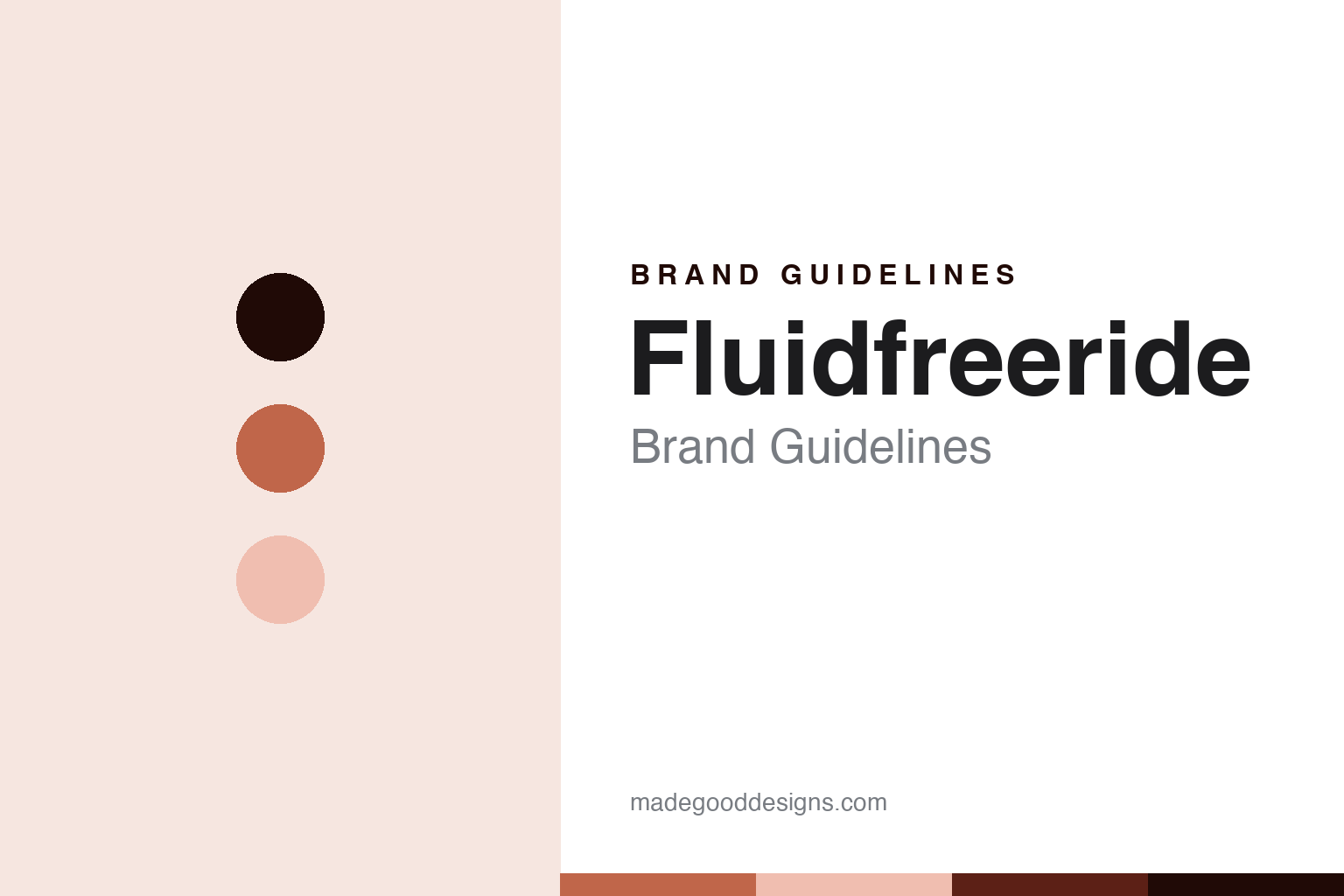
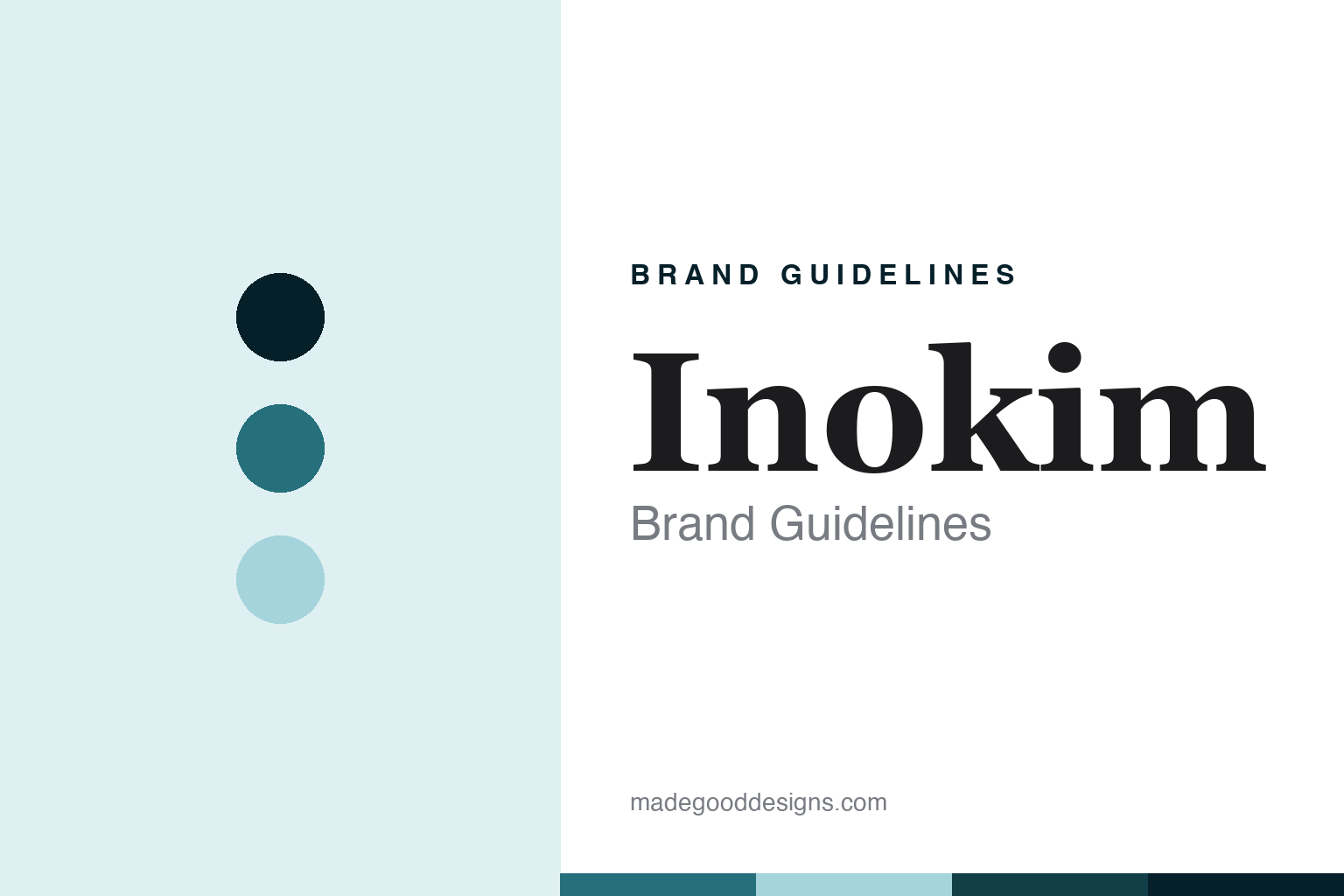
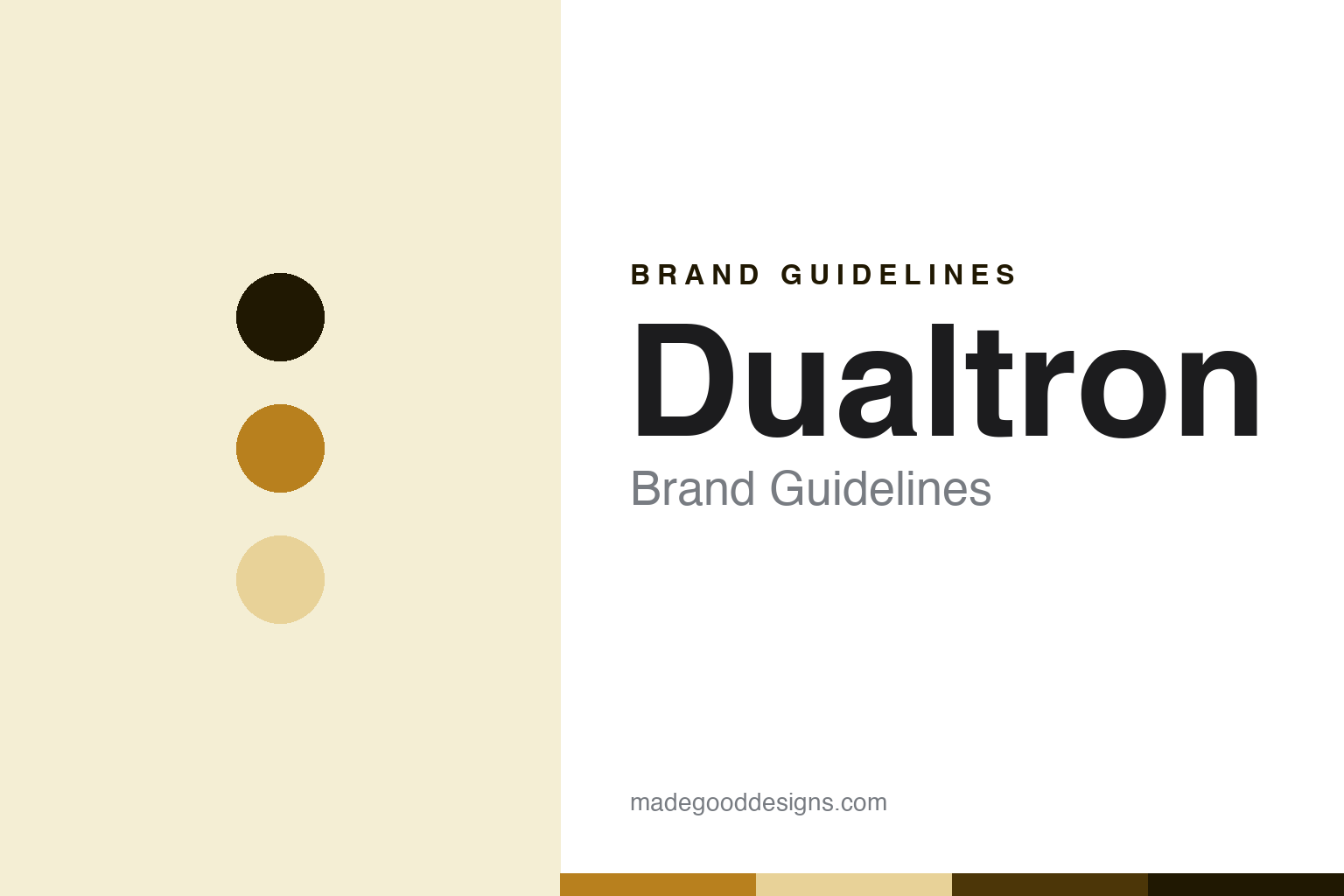
With positioning set, build a small, repeatable visual kit. The discipline here is restraint: a few well-chosen elements applied consistently beat a sprawling toolkit applied loosely.
| Element | Keep it to | Why |
|---|---|---|
| Color | One primary + one or two neutrals + one accent | A tight palette is instantly recognizable and easy to apply |
| Typography | Two typefaces (one display, one text) | Type carries personality and ties documents together |
| Logo / wordmark | One simple mark or styled name | A single recognizable signature across touchpoints |
| Imagery style | One consistent treatment (e.g. duotone, clean photography) | Cohesive visuals signal intentionality |
For most personal brands, a clean wordmark — your name set thoughtfully in a chosen typeface — is more effective than a literal logo. It is flexible, scales everywhere, and reinforces your name, which is the asset you are actually building.
Typography Is Your Brand’s Voice
Type does more brand work than almost any other element because it appears in every document you produce. Choose a pairing that matches your positioning: a geometric sans for a modern, precise feel; a refined serif for an established, editorial tone; a humanist sans for warmth and approachability.
- Inter: clean, neutral, highly legible — a safe modern default, free from Google Fonts.
- Helvetica: timeless and authoritative for a no-nonsense identity.
- Garamond or Georgia: serifs that lend a considered, editorial quality.
- Calibri: approachable and friendly when warmth fits your positioning.
Pick a pairing and apply it everywhere — resume, portfolio, banner, slide decks. Our font pairing guide walks through how to combine two typefaces so they contrast without clashing, which is the backbone of a typographic brand.
Consistency Across Every Touchpoint
The entire value of a personal brand comes from repetition. The same colors, type, and wordmark, applied across every place you appear, is what makes you memorable. Inconsistency dissolves recognition.
- Resume and CV: apply your typeface, accent color, and header style. See the best resume templates for structures you can brand.
- Cover letter: reuse the exact resume header so the documents read as siblings — covered in our cover letter design guide.
- LinkedIn profile: a banner in your brand colors and type, at the correct dimensions, per our LinkedIn banner design guide.
- Portfolio and website: the same palette, type, and voice carried through.
- Email signature and social profiles: small surfaces that still reinforce the whole.
Voice and Tone
Branding is not only visual. The way you write — in your bio, your cover letter, your posts — is part of the impression. Decide on a voice that matches your visual identity and your personality: concise and confident, warm and conversational, or precise and technical. Keep it consistent so your words feel like they come from the same person your design suggests.
Tools for Building Your Brand
- Figma: ideal for designing a wordmark, defining a palette, and laying out branded documents with precision.
- Adobe Illustrator: the standard for crafting a custom logo or wordmark as scalable vector art.
- Canva: fast for applying your kit across banners, social graphics, and simple documents.
- Coolors or Adobe Color: for building and locking a tight, harmonious palette.
Building a One-Page Brand Guide for Yourself
The simplest way to stay consistent is to write your decisions down in a single reference, the same way studios document a client brand. It takes an hour and saves you from re-deciding your colors and fonts every time you open a new document.
- Positioning statement: one or two sentences on who you serve and what makes your perspective distinct.
- Color palette: the exact hex values for your primary, neutrals, and single accent.
- Typography: your two typefaces, with which is used for headings and which for body text.
- Wordmark: how your name is set — typeface, weight, and any spacing or treatment.
- Voice notes: three adjectives for your tone and a do/don’t example or two.
Keep this one-pager open whenever you build something new. It turns consistency from a memory exercise into a lookup, which is exactly how it stays intact over months of applications and posts.
Letting Your Brand Evolve Without Breaking It
A personal brand is not frozen. As your specialty sharpens or your career shifts, the brand should follow — but evolution and reinvention are different things. The goal is to refine the same identity, not to start over and erase the recognition you have built.
- Change one element at a time. Refresh the accent color or update the wordmark, but not everything at once, so the through-line stays visible.
- Update every touchpoint together. When you do change something, push it to your resume, banner, and portfolio in the same pass to avoid a half-rebranded presence.
- Let positioning lead. Visual changes should follow a real shift in what you do, not a passing design trend.
- Keep the wordmark stable. Your name is the most durable asset; change its styling rarely, since it anchors everything else.
Common Personal Branding Mistakes
- Skipping strategy. Jumping to visuals without positioning produces a pretty but meaningless identity.
- Too many elements. A wide palette and four fonts read as chaos, not character.
- Inconsistency. Different looks across resume, banner, and portfolio erase recognition.
- Copying trends. A brand built on this year’s aesthetic dates fast; build on your positioning instead.
- Forgetting the voice. Visual consistency with a mismatched tone still feels disjointed.
If you are building this brand to advance a design career, our graphic design salary data study offers real numbers on where the field pays.
Frequently Asked Questions
What is personal branding for designers?
Personal branding is the consistent impression you create across every touchpoint — resume, portfolio, LinkedIn, and more — built from clear positioning and a small visual kit of color, type, and a wordmark. For designers it doubles as a portfolio piece, proving you can apply your craft to your own identity, not just client work.
Do I need a logo for my personal brand?
Not necessarily. For most individuals, a clean wordmark — your name set thoughtfully in your chosen typeface — works better than a literal logo. It scales everywhere, stays flexible, and reinforces your name, which is the asset you are actually building. Reserve a custom symbol for cases where it genuinely adds recognition.
How many fonts should a personal brand use?
Limit your brand to two typefaces: one display or heading font that carries personality, and one text font for readability. Apply the same pairing across your resume, cover letter, banner, and portfolio. More than two fonts dilutes recognition and reads as inconsistency rather than character. Choose a pairing that matches your positioning.
How do I keep my personal brand consistent?
Define a small, fixed kit — one primary color plus an accent, two typefaces, and a wordmark — then apply it identically everywhere you appear. Reuse the same header across your resume and cover letter, match your LinkedIn banner to that palette, and keep your written voice consistent. Repetition across touchpoints is what builds recognition.