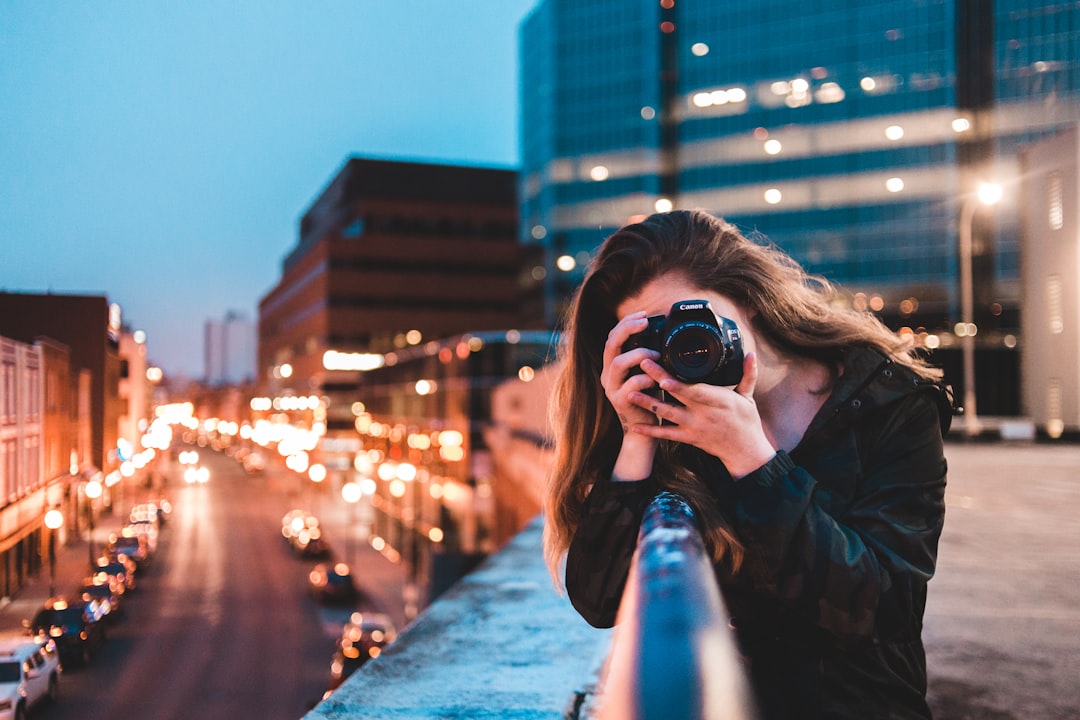
Photo Composition Rules Every Designer Should Know
Strong photo composition is what makes one image feel intentional and another feel like a snapshot — and designers have a natural edge here, because the same balance, hierarchy, and negative space that govern a page govern a frame. Master a handful of rules and you will choose better stock, crop smarter in layout, and brief photographers with precision. Master when to break them and your work stops looking formulaic.
This is part of our broader photography for designers guide. Read on for the core rules, then the cases where ignoring them is the right call.
The Rule of Thirds
The rule of thirds divides the frame into nine equal cells with two horizontal and two vertical lines. You place key elements along those lines, and most importantly at the four intersection points where the eye naturally lands. The result is balanced but dynamic — the opposite of a static, dead-center subject.
For designers, this rule does double duty. When the subject sits on a third, the remaining two-thirds becomes clean space for a headline or logo. Place a horizon on the lower third to emphasize sky, or the upper third to emphasize foreground. It is the fastest single fix for a flat image, which is exactly why most cameras and phones can overlay a thirds grid.
Leading Lines
Leading lines are visual paths — roads, fences, shadows, railings, a row of columns — that guide the viewer’s eye through the frame toward the subject. They create depth and direction, turning a flat picture into a journey. A path that runs from a corner into the distance pulls the eye exactly where you want it.
In layout, leading lines are a quiet superpower: a line that points toward your headline or call-to-action reinforces the reading order you already designed. When evaluating stock, look for images where the lines work with your composition, not against it.
Negative Space
Negative space is the deliberate emptiness around a subject, and for designers it may be the single most important compositional concept. Empty space gives a subject room to breathe, conveys calm or premium feeling, and — crucially — leaves a place for your copy to live.
When you select a hero image, you are really selecting its negative space. A gorgeous photo with no quiet area forces you to overlay text on busy detail, where it gets lost. A simpler image with generous empty space lets type sit cleanly. As a habit, judge the emptiness before the subject.
The Golden Ratio
The golden ratio (roughly 1:1.618) is the more refined cousin of the rule of thirds. Applied to composition, it produces the “golden spiral” or a phi grid that places focal points slightly off from the thirds intersections, yielding a more organic, classical balance. The same ratio underpins a lot of harmonious layout and type-scale work, so it will already feel familiar.
In practice, the difference between thirds and golden ratio is subtle, and most of the time the rule of thirds is enough. Reach for the golden ratio when you want a composition to feel especially elegant or timeless rather than punchy.
Symmetry and Framing
Symmetry breaks the off-center rules on purpose. A perfectly centered, mirrored composition conveys order, formality, and stillness — think architecture, reflections, or a hero product shot dead-center on seamless background. Symmetry is powerful precisely because it defies the rule of thirds and signals deliberate control.
Framing uses elements within the scene — a doorway, an arch, overhanging branches, a window — to surround and focus attention on the subject. Frames add depth, create context, and naturally draw the eye inward. Both techniques give you tools beyond the thirds grid for very different moods.
Balance, Depth, and Fill the Frame
A few supporting principles round out a designer’s compositional toolkit:
- Visual balance: distribute weight so the frame does not feel lopsided. A large subject on one side can be balanced by a small element or bright area on the other.
- Foreground, midground, background: layering these three planes creates depth and a sense of three dimensions on a flat surface.
- Fill the frame: getting close and eliminating dead space adds impact and removes distractions — the opposite instinct to negative space, and equally valid depending on intent.
- Point of view: shooting from high, low, or eye level changes the entire feel; a low angle makes a subject dominant, a high angle makes it vulnerable.
These are not contradictions; they are options. Filling the frame and using negative space serve different goals, and a fluent designer knows which the brief needs.
When to Break the Rules
Rules are defaults, not laws, and the best images often break them on purpose:
- Center the subject for symmetry, confrontation, or formal stillness — portraits and product heroes often work dead-center.
- Use tension by placing a subject near an edge to create unease or imply movement out of frame.
- Embrace emptiness with extreme negative space for a minimalist, premium statement.
- Tilt the horizon (a Dutch angle) deliberately to convey energy or disorientation.
The key is intent. Breaking a rule because you understand its effect reads as confident; breaking it by accident reads as a mistake. Learn the defaults first so your deviations are choices.
Applying Composition in Layout
Composition does not stop at the photographer. As a designer you re-compose every time you crop. When you place an image, ask: does the subject sit on a third? Is there negative space for the copy? Do any lines lead toward the headline? A confident crop can rescue a mediocre photo, and a careless one can ruin a great frame.
Once your composition is right, unify the look across a set with a consistent color treatment — see our color grading guide for beginners. And when you are sourcing rather than shooting, judging composition fast is what separates good stock from clutter; our stock photography guide covers how to spot it.
Frequently Asked Questions
What is the most important photo composition rule?
For designers, negative space and the rule of thirds matter most. The rule of thirds reliably creates dynamic balance, while negative space leaves room for headlines and logos. Together they cover most layout needs, which is why they are the first two rules worth internalizing.
What is the rule of thirds?
The rule of thirds divides a frame into nine cells using two horizontal and two vertical lines. You place key subjects along those lines or at their intersection points, producing a balanced yet dynamic image. It avoids static, dead-center compositions and leaves clean space for type.
What are leading lines in photography?
Leading lines are visual paths within an image — roads, fences, shadows, or railings — that guide the viewer’s eye toward the subject. They add depth and direction. In design layouts, lines that point toward a headline or call-to-action reinforce the intended reading order.
Is it okay to break composition rules?
Yes, when it is intentional. Centering a subject for symmetry, using extreme negative space for minimalism, or tilting the horizon for energy can all be effective. The difference between a strong choice and a mistake is understanding the rule’s effect before you break it.
How does composition help in graphic design?
Composition determines how images sit in a layout. Knowing the rule of thirds, leading lines, and negative space helps designers select better stock, crop intentionally, and brief photographers precisely. A confident crop can rescue a mediocre photo, while a careless one can ruin an excellent frame.