Combination Mark Logos Explained
A combination mark pairs a symbol with the brand name in a single lockup, but keeps the two pieces separable so each can stand alone when needed. It is the most flexible logo format, and the one most brands quietly rely on, think Adidas, Burger King, or Lacoste. This guide explains how to build one that grows with the brand.
Combination marks sit at the practical center of the wider family of logo types. They blend the recognition of a wordmark with the visual shorthand of a symbol, giving you the best of both while a brand is still earning recognition.
What a Combination Mark Is
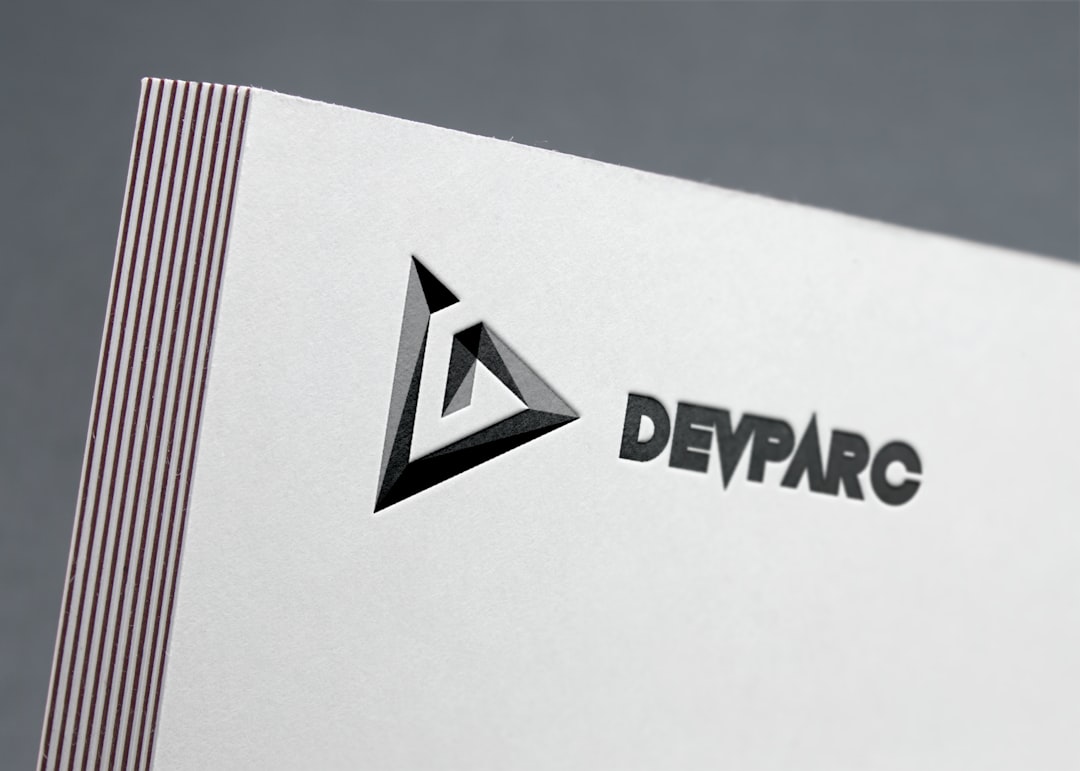
A combination mark is a logo made of two distinct elements, a symbol (icon or abstract mark) and a wordmark (the brand name), arranged into a coordinated lockup. The defining feature is that the elements are separable. You can deploy the full lockup on a website header, then use just the icon as an app favicon and just the wordmark on a document footer.
This is what distinguishes a combination mark from an emblem, where text and symbol are fused inside one shape and cannot be split. Separability is the whole advantage of the combination format.
Why Combination Marks Are So Popular
Combination marks dominate modern branding for clear reasons:
- Built-in flexibility. One asset family covers every placement, from billboards to 16-pixel favicons.
- Name plus meaning. The wordmark teaches recognition while the symbol adds visual interest and memorability.
- A growth path. New brands lean on the full lockup; once the symbol earns recognition, they can use it alone, the same way many mature brands eventually drop the name.
- Trademark strength. Two distinct, ownable elements give a stronger, more defensible identity than text alone.
For a brand that does not yet have name recognition, this format is usually the safest first choice, more informative than a pure abstract mark, more distinctive than a bare wordmark.
The Two Halves: Symbol and Wordmark
A combination mark is only as strong as its weakest half, so each element must hold up on its own.
The symbol can be a pictorial icon (Burger King’s bun), an abstract mark (Adidas’s three stripes), or a mascot-like figure. It must be simple enough to read at small sizes and meaningful enough to eventually stand alone. If you are leaning abstract, our abstract logo design guide covers how to build meaning into a non-representational shape.
The wordmark is the brand name in distinctive type. Everything that makes a strong standalone wordmark applies here: deliberate kerning, the right typeface personality, and a custom detail or two. A geometric sans like Futura reads modern; a humanist sans like Gill Sans feels friendly; a serif signals heritage. Use our font pairing guide to choose type that harmonizes with the symbol’s mood.
How to Design a Combination Mark Step by Step
- Design the symbol and wordmark separately. Each must work alone before you combine them. If either is weak independently, the lockup will be too.
- Choose a lockup orientation. Symbol left of the name (horizontal), symbol above the name (stacked), or both. Most brands need at least two orientations.
- Balance visual weight. The symbol and wordmark should feel equally important, not one overpowering the other. Adjust scale and spacing until they sit as a unit.
- Define clear space and proportions. Lock the relationship between symbol and text with a spacing rule so the lockup is rebuilt consistently every time.
- Test every variant. Full lockup, symbol alone, wordmark alone, at large and tiny sizes, in single color and reversed.
Build a Flexible Asset System
The reason to choose a combination mark is flexibility, so the deliverables must capture it. Design everything in vector using Adobe Illustrator, Affinity Designer, or Figma, outline the type, and export SVG masters with PNG fallbacks.
- Horizontal lockup for wide placements like website headers and email signatures.
- Stacked lockup for square and narrow placements.
- Symbol only for app icons, favicons, and social avatars.
- Wordmark only for contexts where the symbol is redundant or too small.
- Single-color and reversed versions of each, for print, embroidery, and dark backgrounds.
Combination Mark vs Emblem vs Wordmark
| Format | Elements | Separable? | Example |
|---|---|---|---|
| Combination mark | Symbol plus name | Yes | Adidas |
| Emblem | Symbol plus name fused | No | Starbucks |
| Wordmark | Name only | n/a | |
| Abstract | Symbol only | n/a | Nike swoosh |
The takeaway: choose a combination mark when you want both a name and a symbol but need the freedom to use them apart. Choose an emblem when you want a single, sealed, traditional badge.
Lockup Orientation and Spacing in Practice
The arrangement of symbol and wordmark is where combination marks succeed or fall apart in real use. A lockup that looks fine in a header may break the moment it is squeezed into a square avatar or stretched across a banner, so design the relationships deliberately.
- Horizontal lockup. Symbol beside the name. Ideal for website headers, email signatures, and any wide space. This is usually the primary version.
- Stacked lockup. Symbol above the name. Fits square and narrow placements like app store listings, packaging panels, and social profile headers.
- Spacing rule. Tie the gap between symbol and wordmark to a measurement derived from the logo itself, for example the height of a key letter, so it rebuilds identically every time, in every team and tool.
Balance is the other half of the job. The symbol and wordmark should read as equals: neither so large it dominates nor so small it disappears. Align them on a shared optical baseline or center, and adjust the symbol’s scale until the two halves feel like one considered object rather than two graphics placed near each other. Lock these decisions into a one-page usage guide so the lockup stays consistent as the brand scales.
Common Combination Mark Mistakes
- A symbol that cannot stand alone. If the icon is meaningless without the name, you lose the format’s main advantage.
- Unbalanced lockup. A huge symbol next to a tiny wordmark, or vice versa, looks accidental.
- No spacing rules. Without a defined relationship, the lockup gets rebuilt inconsistently across teams.
- Only one orientation. A single horizontal lockup fails in square and narrow placements. Always provide alternatives.
Frequently Asked Questions
What is a combination mark logo?
A combination mark is a logo that pairs a symbol with the brand name in a coordinated lockup, while keeping the two elements separable. You can use the full lockup, the symbol alone, or the wordmark alone depending on the placement. Adidas, Burger King, and Lacoste use combination marks.
What is the difference between a combination mark and an emblem?
In a combination mark, the symbol and name are separable and can be used independently across different placements. In an emblem, the symbol and name are fused inside one enclosing shape and used only as a single unit. Combination marks are more flexible; emblems feel more traditional.
Why are combination marks good for new brands?
New brands lack name recognition, so the wordmark teaches the name while the symbol adds memorability. Later, once the symbol is recognized, the brand can use it alone. This growth path, full lockup first, symbol-only later, is exactly how many mature brands evolved their identities over time.
What files should a combination mark be delivered in?
Deliver vector SVG masters with PNG fallbacks, including a horizontal lockup, a stacked lockup, a symbol-only version, and a wordmark-only version. Provide single-color and reversed variants of each for print, embroidery, and dark backgrounds. Outline the type so the lockup never depends on installed fonts.