Shades of Charcoal: Names and Hex Codes
There are many recognized shades of charcoal, from the classic blue-gray dark neutral to near-black onyx and warm soft grays. Below is a practitioner reference: each shade with its name, hex code, RGB value, and a note on where it works best. Use it as a swatch library when building a palette, and pair it with our guide to color psychology when you need the symbolism behind the swatch.
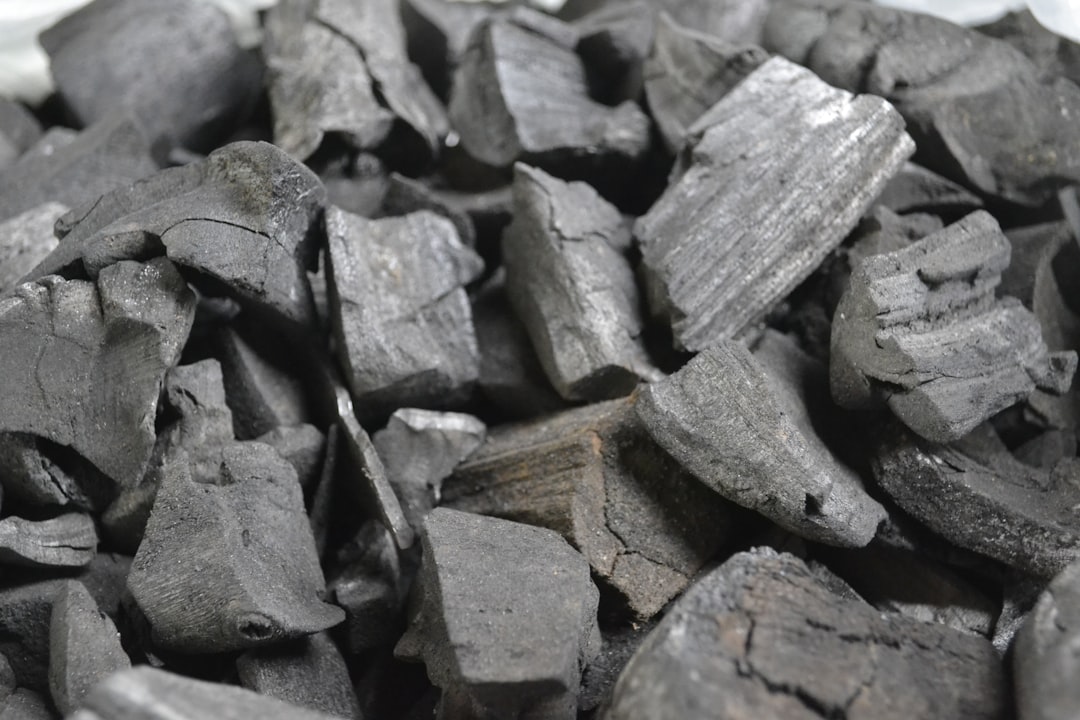
A quick note on terminology, because charcoal sits between dark gray and black. Charcoal — commonly cited as #36454F — is a very dark blue-gray, named after burnt wood. It is frequently confused with pure black (which it never quite reaches) and slate (lighter, bluer). If you need those distinctions, see our comparisons of charcoal vs black and slate vs charcoal. Throughout this guide, “shades of charcoal” covers every named variation in that deep, sophisticated dark-gray family.
Each entry below gives three values so you can use it anywhere: the hex code (for CSS, HTML, and most design tools), the RGB triplet (for screen-based tools that ask for red, green, and blue channels separately), and a short note on the mood and best use of that shade. Charcoals are workhorse neutrals — they make excellent backgrounds and type colors, and they hold their character under almost any lighting.
Classic charcoals
These are the core charcoals most people picture — deep blue-gray darks used in modern, editorial, and tech branding.
| Shade name | Hex | RGB | Notes / use |
|---|---|---|---|
| Charcoal | #36454F | 54, 69, 79 | Classic dark blue-gray; sophisticated, modern. |
| Slate Charcoal | #3C4A53 | 60, 74, 83 | Cool blue-gray dark; calm, refined. |
| Arsenic | #3B444B | 59, 68, 75 | Muted dark gray-blue; subtle, deep. |
| Outer Space | #414A4C | 65, 74, 76 | Dark gray with slight teal; modern, cool. |
| Graphite Charcoal | #3A3F44 | 58, 63, 68 | Neutral dark gray; clean, versatile. |
| Steel Charcoal | #444B54 | 68, 75, 84 | Mid blue-gray; industrial, refined. |
Deep and near-black charcoals
The darkest charcoals — onyx, gunmetal, and dark charcoal — that sit just shy of black for maximum depth.
| Shade name | Hex | RGB | Notes / use |
|---|---|---|---|
| Dark Charcoal | #333333 | 51, 51, 51 | Near-black neutral gray; bold, versatile. |
| Onyx | #353839 | 53, 56, 57 | Very dark cool gray; luxurious, deep. |
| Gunmetal | #2A3439 | 42, 52, 57 | Dark blue-gray metal tone; industrial, moody. |
| Jet Charcoal | #28282B | 40, 40, 43 | Almost black; dramatic, premium. |
| Eerie Black | #1C1C1C | 28, 28, 28 | Deep off-black; intense, minimal. |
| Gunmetal Gray | #2C3539 | 44, 53, 57 | Cool dark slate-gray; sleek, modern. |
Cool blue charcoals
Charcoals with a stronger blue cast that feel crisp, technical, and contemporary.
| Shade name | Hex | RGB | Notes / use |
|---|---|---|---|
| Dark Slate Charcoal | #2F4F4F | 47, 79, 79 | Deep teal-gray; rich, sophisticated. |
| Payne’s Charcoal | #37424A | 55, 66, 74 | Muted blue-gray; calm, artistic. |
| Ink Charcoal | #30363D | 48, 54, 61 | Dark UI gray; clean, technical. |
| Storm Charcoal | #39444F | 57, 68, 79 | Cool gray-blue; moody, modern. |
| Deep Teal Charcoal | #26343C | 38, 52, 60 | Dark blue-green gray; rich, atmospheric. |
| Marine Charcoal | #3D4B58 | 61, 75, 88 | Blue-leaning dark gray; nautical, cool. |
Warm and soft charcoals
Slightly warmer or lighter charcoals that feel softer and more approachable than the cool blue-grays.
| Shade name | Hex | RGB | Notes / use |
|---|---|---|---|
| Soft Charcoal | #4A4A4A | 74, 74, 74 | Mid neutral gray; gentle, versatile. |
| Davy’s Charcoal | #4D4D4D | 77, 77, 77 | Balanced gray; readable, neutral. |
| Warm Charcoal | #473C38 | 71, 60, 56 | Brown-tinged dark gray; cozy, earthy. |
| Taupe Charcoal | #3E3B39 | 62, 59, 57 | Neutral warm-gray; subtle, refined. |
| Smoke Charcoal | #555555 | 85, 85, 85 | Lighter mid gray; soft, modern. |
| Ash Charcoal | #42423E | 66, 66, 62 | Warm muted dark gray; natural, calm. |
What are the most popular shades of charcoal?
The most-used named charcoals in design are charcoal (#36454F), dark charcoal (#333333), gunmetal (#2A3439), onyx (#353839), and soft charcoal (#4A4A4A). Classic blue-gray charcoal dominates modern, editorial, and tech branding; dark charcoal and onyx push toward dramatic near-black; gunmetal adds an industrial edge; and soft charcoal offers a gentler, more readable neutral. Cooler charcoals feel crisp and technical, while warmer ones feel approachable.
Charcoal’s appeal is that it is the sophisticated alternative to black — it carries black’s authority and depth but adds subtle warmth or coolness that pure black lacks. That makes it a favorite for premium tech, editorial design, fashion, and any identity that wants seriousness without harshness. Because it sits between gray and black, charcoal flexes from soft and neutral to deep and dramatic. Choosing a charcoal is really choosing how dark, how blue, and how warm you want that near-black to read.
Charcoal is the smartest default for “black” text and dark backgrounds, which is the single most useful thing to know when specifying it. A charcoal like #333333 or #36454F is easier on the eyes than pure #000000 — it reduces harsh contrast on white and looks richer on screen. The values in the tables above — charcoal at #36454F, dark charcoal at #333333, gunmetal at #2A3439 — are the widely cited references, but always pin the exact hex in your documentation. This matters in UI work especially, where charcoal text and dark-mode backgrounds carry an entire interface’s tone.
How to use shades of charcoal in design
Charcoal is a versatile, sophisticated neutral that anchors almost any palette. Use classic charcoal or dark charcoal as a softer substitute for black in type and backgrounds, and pair it with white, cream, and a single bright accent for a clean, modern look. Gunmetal and onyx bring an industrial, premium edge to tech and fashion identities.
Practical guidance: charcoal works as a near-universal pairing color — it grounds bright accents like amber, coral, or teal without competing with them. For body text, dark charcoal (#333333) or soft charcoal (#4A4A4A) is more comfortable to read than pure black on a white background. To add warmth, choose a brown-tinged charcoal such as warm charcoal (#473C38); for a crisp, technical feel, choose a blue-leaning one like gunmetal (#2A3439). In dark-mode interfaces, a charcoal background (rather than pure black) reduces eye strain and lets accent colors glow without harshness, which is why most modern UI systems default to a charcoal-family base rather than #000000. Charcoal also sits beautifully next to its lighter cousins; see our reference on shades of slate, and explore the comparison in slate vs charcoal.
Frequently Asked Questions
What is the hex code for charcoal?
Charcoal is most commonly cited as #36454F, which is RGB 54, 69, 79 — a very dark blue-gray named after burnt wood. A simpler neutral version, dark charcoal (#333333), is also widely used. Both are common references; #36454F carries the characteristic blue undertone.
What is the difference between charcoal and black?
Charcoal (#36454F) is a very dark gray with a subtle blue or warm undertone, while black (#000000) has no color and no lightness. Charcoal feels softer and more sophisticated; black feels absolute and high-contrast. See our full charcoal vs black comparison for examples.
What is the difference between charcoal and slate?
Charcoal (#36454F) is darker and more neutral, while slate (#708090) is a lighter, distinctly blue-gray. Charcoal reads as near-black and grounding; slate reads as a mid-tone, cooler gray. See our slate vs charcoal comparison for palette guidance.
Which shade of charcoal is best for text?
For body text on a white background, dark charcoal (#333333) or soft charcoal (#4A4A4A) is easier on the eyes than pure black, reducing harsh contrast while staying highly readable. For a cooler, more editorial feel, classic charcoal (#36454F) works well in headings.
What colors go well with charcoal?
Charcoal pairs with almost anything: white and cream for clean contrast, and bright accents like amber, coral, teal, or mustard for energy. For a monochrome look, combine it with lighter grays and slate. Warm woods and copper give charcoal a cozy, premium feel.