Shades of Bronze: Names and Hex Codes
There are many recognized shades of bronze, from the warm metallic-brown classic to dark patinas and lighter golden tones. Below is a practitioner reference: each shade with its name, hex code, RGB value, and a note on where it works best. Use it as a swatch library when building a palette, and pair it with our guide to color psychology when you need the symbolism behind the swatch.
A quick note on terminology, because bronze sits in a warm metallic-brown zone. Bronze — commonly cited as #CD7F32 — is a warm yellow-brown that mimics the metal alloy, named after it. It is frequently confused with copper (redder) and gold (yellower, brighter). If you need that distinction, see our comparison of copper vs bronze and our reference on shades of copper. Throughout this guide, “shades of bronze” covers every named variation in that warm, metallic yellow-brown family.
Each entry below gives three values so you can use it anywhere: the hex code (for CSS, HTML, and most design tools), the RGB triplet (for screen-based tools that ask for red, green, and blue channels separately), and a short note on the mood and best use of that shade. If you need CMYK or a Pantone match for print, convert from the hex value in your design software, and always proof — metallic tones flatten and shift noticeably between screen and press.
Classic bronzes
These are the core bronzes most people picture — warm, polished metal-brown tones used in awards, heritage, and premium branding.
| Shade name | Hex | RGB | Notes / use |
|---|---|---|---|
| Bronze | #CD7F32 | 205, 127, 50 | Classic warm metal-brown; rich, premium. |
| Metallic Bronze | #B08D57 | 176, 141, 87 | Muted metallic gold-brown; refined, luxe. |
| Warm Bronze | #A67B5B | 166, 123, 91 | Soft brown-bronze; mellow, natural. |
| Camel Bronze | #C19A6B | 193, 154, 107 | Tan-leaning bronze; warm, earthy. |
| Copper Bronze | #B87333 | 184, 115, 51 | Redder warm bronze; rich, lively. |
| Bright Bronze | #CB8E3E | 203, 142, 62 | Warm shiny gold-brown; vivid, premium. |
Light and golden bronzes
The lighter, more golden bronzes — softer and brighter, ideal for accents and warm highlights.
| Shade name | Hex | RGB | Notes / use |
|---|---|---|---|
| Light Bronze | #C5A253 | 197, 162, 83 | Soft golden bronze; warm, elegant. |
| Pale Bronze | #D2B55B | 210, 181, 91 | Light gold-tan; airy, warm. |
| Golden Bronze | #CDA434 | 205, 164, 52 | Rich gold-bronze; opulent, bright. |
| Honey Bronze | #DDC07A | 221, 192, 122 | Warm honey-gold; soft, inviting. |
| Old Gold Bronze | #C9B037 | 201, 176, 55 | Muted antique gold; heritage, warm. |
| Brass Bronze | #BFA15A | 191, 161, 90 | Yellow brass-tone; classic, polished. |
Antique and dark bronzes
Pushed toward brown and patina, these aged bronzes signal heritage and craft — perfect for awards and luxury identities.
| Shade name | Hex | RGB | Notes / use |
|---|---|---|---|
| Antique Bronze | #665D1E | 102, 93, 30 | Dark aged olive-brown; heritage, rich. |
| Dark Bronze | #4A3C2A | 74, 60, 42 | Deep brown-bronze; moody, grounded. |
| Bronze Olive | #737000 | 115, 112, 0 | Dark olive-bronze; earthy, antique. |
| Aged Bronze | #5C4A2E | 92, 74, 46 | Deep weathered brown; antique, subtle. |
| Oil-Rubbed Bronze | #3B3220 | 59, 50, 32 | Near-black brown; moody, deep. |
| Bronze Patina | #6E5A2F | 110, 90, 47 | Dark gold-brown; antique, warm. |
Statue and green bronzes
The aged, oxidized bronzes that tip toward green verdigris — the most historic and architectural of the family.
| Shade name | Hex | RGB | Notes / use |
|---|---|---|---|
| Statue Bronze | #7A8B6F | 122, 139, 111 | Muted gray-green patina; aged, historic. |
| Verdigris Bronze | #5F7161 | 95, 113, 97 | Deep green-gray oxidation; architectural, calm. |
| Moss Bronze | #8A9A5B | 138, 154, 91 | Olive-green bronze; natural, earthy. |
| Weathered Bronze | #6B6B4A | 107, 107, 74 | Muted khaki-bronze; antique, subtle. |
What are the most popular shades of bronze?
The most-used named bronzes in design are bronze (#CD7F32), antique bronze (#665D1E), light bronze (#C5A253), dark bronze (#4A3C2A), and metallic bronze (#B08D57). Classic bronze dominates awards, heritage, and premium branding; antique bronze adds aged richness; light bronze brightens for accents; and metallic bronze reads refined and luxe. Lighter bronzes feel warm and approachable, while darker bronzes project craft and prestige.
Bronze’s appeal is that it reads as the most historic and grounded of the warm metallics — it carries the richness of metal but trades shine for an antique, earthy warmth associated with statues, medals, and craft. That makes it a favorite for awards and trophies, heritage and luxury brands, leather goods, and hospitality, where the metal association does instant quality and tradition work. Because it sits between brown, gold, and olive, bronze flexes from polished and premium to aged and architectural. Choosing a bronze is really choosing how light, how aged, or how green you want that warm metal to lean.
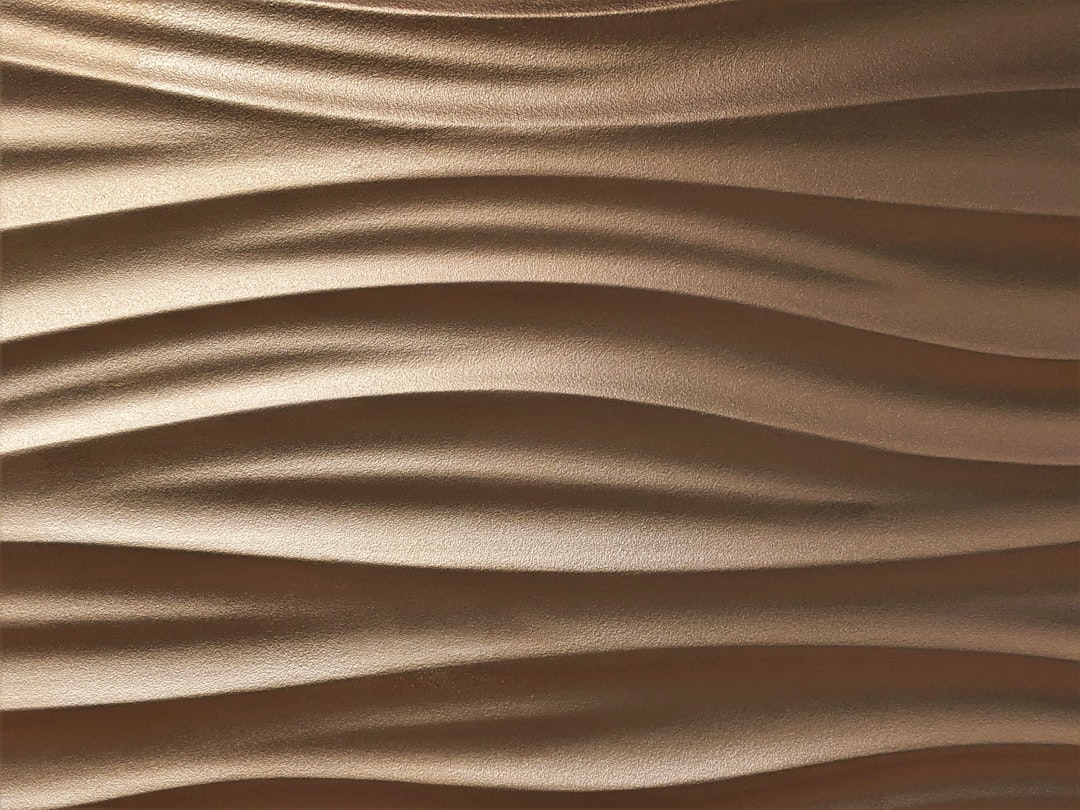
Bronze is a metallic effect, not just a flat color, which is the single most useful thing to know when specifying it. On screen, a hex like #CD7F32 captures the base tone, but the real bronze look comes from gradients, highlights, and foil in print. The values in the tables above — bronze at #CD7F32, antique bronze at #665D1E, metallic bronze at #B08D57 — are the widely cited references, but always pin the exact hex and note whether you want a flat or metallic finish in your documentation. This matters doubly in packaging, signage, and award design, where bronze is often realized in foil or ink, and small hue shifts read as completely different colors under lighting.
How to use shades of bronze in design
Bronze is a warm, prestigious accent that signals heritage and craft. Pair classic bronze with deep teal, navy, or charcoal for a sophisticated, high-contrast palette, or with cream and warm gray for a heritage look. Deeper antique bronze works beautifully as a grounded base, while light bronze brings warmth to accents and metallic highlights.
Practical guidance: bronze’s near-complement is a deep teal or blue, which gives a rich, balanced contrast — a reliable heritage and luxury pairing. For type, dark and antique bronzes stay readable on light backgrounds, while metallic bronze works best as an accent or for foil treatments. To keep bronze from feeling dated, pair it with cool grays, teal, and plenty of white space. Bronze sits next to copper and gold; see our comparison of copper vs bronze, and explore the broader warm-metallic range in our reference on shades of champagne.
Frequently Asked Questions
What is the hex code for bronze?
Bronze is most commonly cited as #CD7F32, which is RGB 205, 127, 50 — a warm yellow-brown that mimics the metal alloy. It is the widely accepted reference value, though true bronze is a metallic effect, so designers often add gradients or foil to capture its sheen.
What is the difference between bronze and copper?
Bronze (#CD7F32) leans more yellow-brown and muted, while copper (#B87333) is warmer and redder. Bronze reads as antique and grounded; copper reads as bright and energetic. See our full copper vs bronze comparison for examples and palette ideas.
What is the difference between bronze and gold?
Bronze (#CD7F32) is a deeper, browner, more muted warm metal, while gold (#FFD700) is brighter, yellower, and more saturated. Bronze feels historic and earthy; gold feels opulent and bold. Golden bronze (#CDA434) bridges the two with a rich gold-brown.
Which shade of bronze is best for a brand?
For awards and heritage, classic bronze (#CD7F32) conveys tradition and prestige. For antique or luxury identities, antique bronze (#665D1E) feels aged and rich. For warm accents, light bronze (#C5A253) is bright and elegant. Choose by how light versus how aged you want the identity to feel.
What colors go well with bronze?
Bronze pairs beautifully with deep teal or blue — its near-complement — for rich contrast, and with cream, charcoal, and warm gray for a heritage palette. Navy creates a classic combination, while forest green gives bronze a natural, architectural feel.