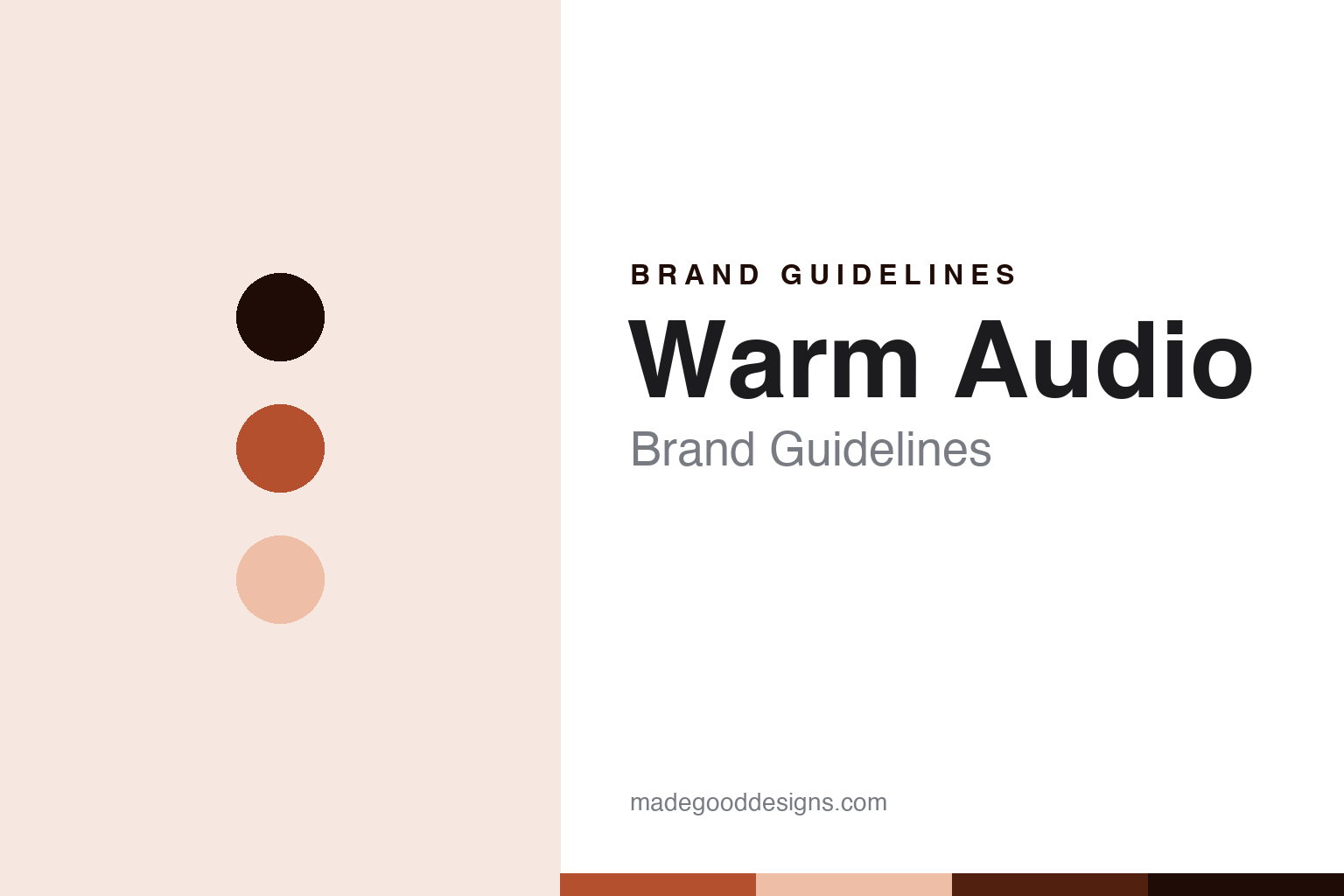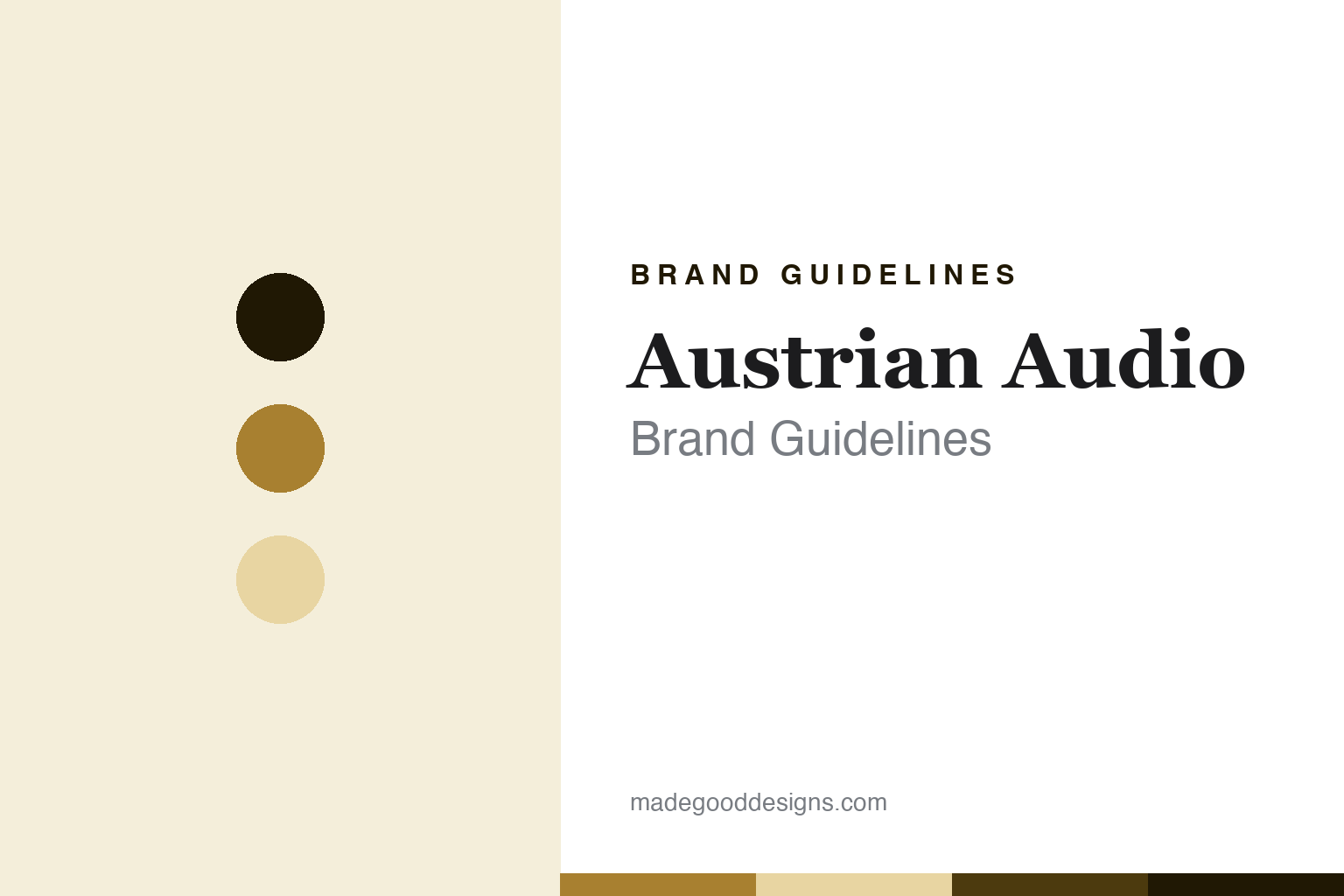
Autumn Color Palette: Hex Codes and Ideas
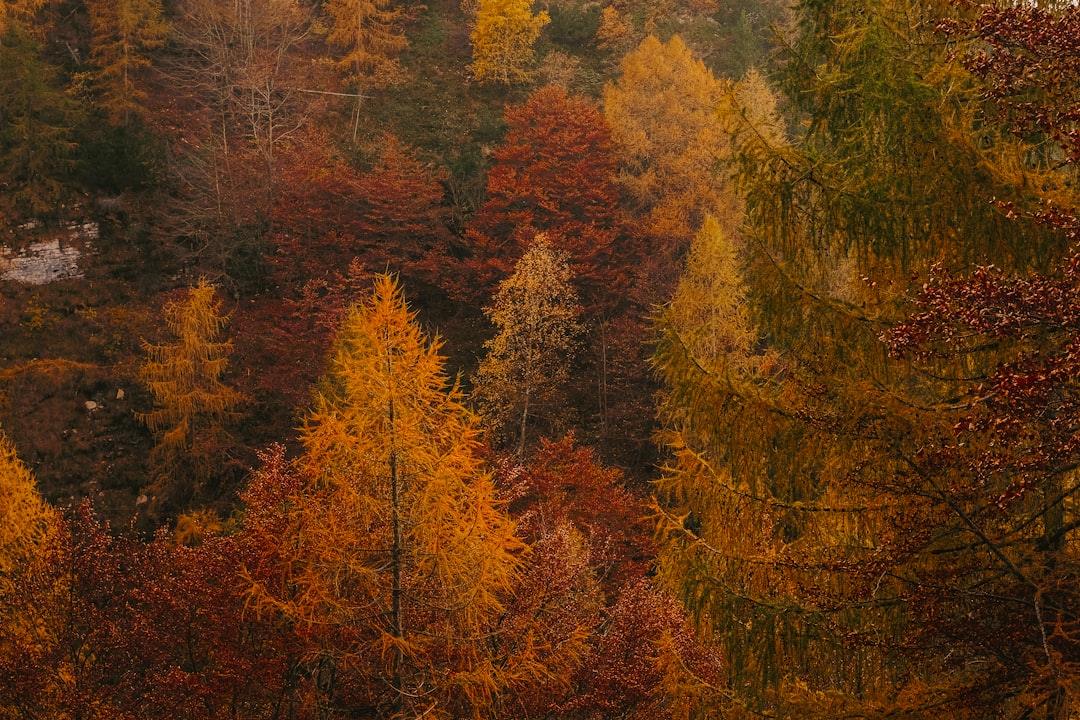
An autumn color palette translates the season’s foliage into design-ready color: the burnt oranges, mustards, rusts and deep reds of falling leaves, plus the olive and golden brown of the forest floor. Below are real hex codes, five copy-and-paste palettes, and a reference table so you can drop these colors straight into a brand, a website, or a print layout.
Because every color here carries a warm undertone, autumn palettes feel cohesive almost automatically. The skill is in balancing the saturated leaf colors against the quieter neutrals so the result reads rich rather than muddy.
What colors are in an autumn color palette?
The autumn family is built from warm hues pulled toward red and yellow, kept at medium saturation so they feel sun-faded rather than electric. The core members are burnt orange , mustard , rust , deep red , olive and golden brown . A soft cream provides the breathing room.
These are all warm colors, which is what gives autumn its enveloping, low-energy mood. If you want the wider context for why orange and brown feel comforting, see our notes on color psychology, and for adjacent hue ranges browse shades of orange and shades of brown.
Core autumn colors (with hex codes)
| Color name | Hex | RGB | Role |
|---|---|---|---|
| Burnt orange | #CC5500 | 204, 85, 0 | Primary |
| Mustard | #E1AD01 | 225, 173, 1 | Accent |
| Rust | #B7410E | 183, 65, 14 | Primary |
| Deep red | #8B0000 | 139, 0, 0 | Accent |
| Olive | #708238 | 112, 130, 56 | Accent |
| Golden brown | #996515 | 153, 101, 21 | Neutral |
| Cream | #FFF8DC | 255, 248, 220 | Neutral |
5 autumn color palettes (with hex codes)
Cozy Autumn
The everyday autumn scheme: burnt orange #CC5500, golden brown #996515, mustard #E1AD01, olive #708238 and cream #FFF8DC. Warm, balanced, and the safe default for cafe menus, blankets-and-candles brands, and seasonal campaigns.
Harvest
Rust #B7410E, mustard #E1AD01, deep red #8B0000, olive #708238 and cream. Reads like a farmers’ market in October — ideal for food packaging, craft beer, and produce brands.
Moody Autumn
Deep red #8B0000, rust #B7410E, golden brown #996515, a near-black coffee #3B2F2F and parchment #E8DCC0. Darker and more dramatic — good for premium spirits, leather goods, and editorial layouts.
Golden Hour
Mustard #E1AD01, burnt orange #CC5500, amber #D9A441, golden brown #996515 and cream. The brightest of the set — energetic, sunlit, and friendly for lifestyle and wellness brands.
Forest Floor
Olive #708238, golden brown #996515, rust #B7410E, walnut #4A3B2A and parchment. The most muted, nature-led option — suits outdoor gear, herbal products, and sustainable brands. For more of this direction see our earth tone color palette.
Why these autumn colors work together
The cohesion of an autumn palette is not an accident — it comes from shared undertone. Burnt orange, rust, mustard, and golden brown all sit in the red-to-yellow arc of the color wheel, and even the olive green leans warm because of its yellow content. When every hue carries the same warm bias, the eye reads them as belonging to one family, the way leaves on a single tree shift through related shades as they turn. This is analogous harmony: colors that are neighbors on the wheel, which always feel restful together.
The second mechanism is desaturation. Pure orange and pure red are aggressive, but the autumn versions are knocked back toward brown and dusty earth. That muting is what makes the palette feel seasonal and mature rather than like a child’s box of crayons. Deep red (#8B0000) is the clearest example: it is red taken almost to its darkest, most dignified point, which is why it anchors a palette instead of shouting over it. Cream and parchment then function as the negative space — the sky behind the leaves — giving the saturated colors room to register one at a time.
Value range is the final ingredient. A good autumn palette spans from the near-white of cream down to the near-black of walnut, with the leaf colors filling the middle. That spread is what lets you build legible hierarchy: dark text on cream, mid-tone accents for emphasis, and the occasional deep-red highlight. Without the light and dark anchors, the warm mid-tones blur into a single hazy band.
How to use an autumn palette in design
Pick one warm hue to dominate — usually burnt orange or rust — and let it cover the largest areas. Use mustard and deep red as accents on a roughly 60-30-10 split, then keep cream and brown as the neutrals that carry text and backgrounds. Because all the colors share a warm bias, you rarely get clashes; the risk is the opposite, where everything blends into one orange-brown haze. Counter that with strong value contrast: pair a near-black walnut against cream so type stays legible.
Texture amplifies autumn palettes. On print, an uncoated or recycled stock reinforces the harvested, tactile feel. On screen, photography of foliage, wood grain or linen lets the palette sit naturally instead of looking flatly digital.
Autumn palette for branding, web and interiors
Branding: autumn schemes suit coffee roasters, bakeries, craft beverages, candle and home-fragrance brands, and anything seasonal. They signal warmth, craft and comfort. Anchor the identity on one or two leaf colors and reserve deep red for a logo or call-to-action. If you are choosing a permanent identity rather than a seasonal campaign, work through how to choose brand colors first.
Web: use cream as the page background, golden brown or walnut for body text, and burnt orange for buttons and links. Test mid-tones like mustard against your background for contrast — warm light hues often fall short of accessibility thresholds, so darken them or reserve them for large elements.
Interiors: autumn palettes are perennial for hospitality and residential spaces. Walls in cream or olive, furniture in golden brown, and rust or deep red textiles create the cozy effect almost on their own.
For other seasonal directions, compare this against our sunset color palette for warmer drama, or the cooler winter color palette.
Frequently Asked Questions
What are the main autumn colors?
The defining autumn colors are burnt orange (#CC5500), mustard (#E1AD01), rust (#B7410E), deep red (#8B0000), olive (#708238) and golden brown (#996515), usually grounded by a cream or parchment neutral. They are all warm, medium-saturation hues drawn from turning leaves and the forest floor.
What is the hex code for burnt orange?
Burnt orange is commonly written as #CC5500 (RGB 204, 85, 0), a deep red-leaning orange that anchors most autumn palettes. Slightly different versions exist around #CC5500 to #BF5700, but #CC5500 is the widely used reference value and pairs cleanly with mustard and brown.
Are autumn and earth tones the same thing?
They overlap heavily but are not identical. Autumn palettes include vivid leaf colors like deep red and bright mustard, while earth tones stay more muted and material-driven. Both lean warm and natural, so an autumn palette can be softened into an earth-tone one by lowering saturation.
How many colors should an autumn palette have?
Five is the practical sweet spot: two warm dominants, one or two accents, and one neutral. Fewer than four can feel flat, and more than six often muddies the scheme because the warm hues start competing. Use value contrast rather than extra hues to add depth.