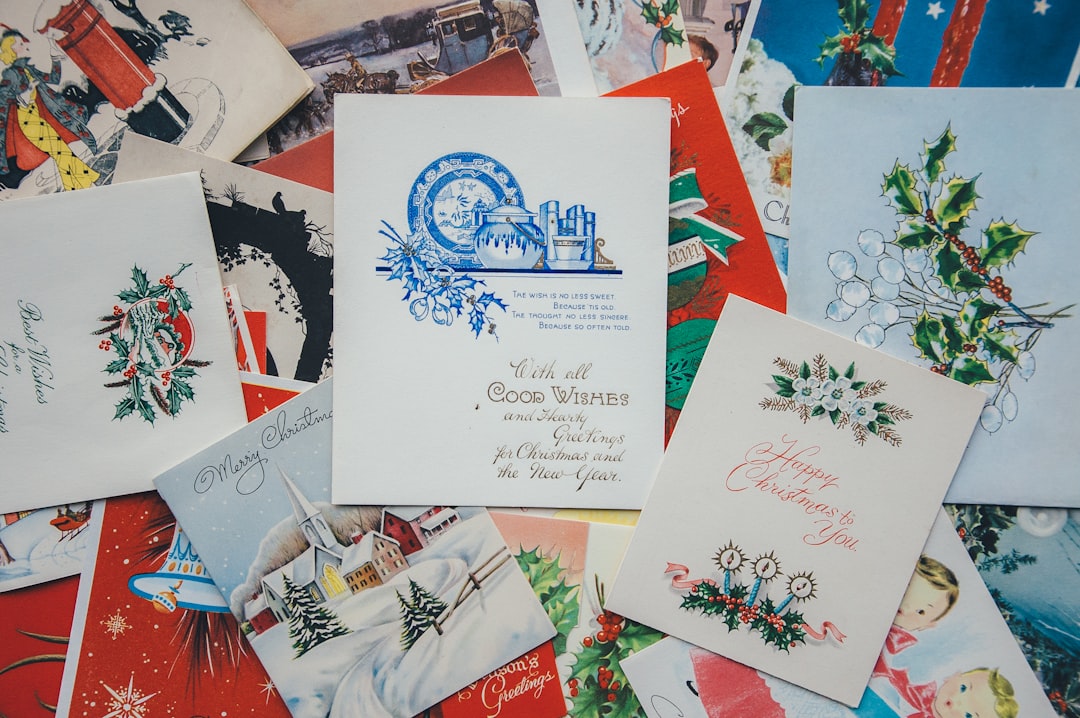
Best Fonts for Greeting Cards
The best fonts for greeting cards set the emotional tone before a word is read: playful for birthdays, elegant for weddings, cosy for the holidays. That favours expressive scripts and characterful display faces for the message, balanced by a clean, readable font for any longer text inside. The picks below are all real, all free, and chosen to match the occasion.
Whether you are designing a birthday card, a holiday greeting or a thank-you note, these typefaces give you warmth and personality while staying legible. For the full layout workflow, see our greeting card design guide.
What makes a good font for greeting cards?
A greeting card is small, personal and emotive — the typography carries the feeling. A good card font matches the occasion’s mood: scripts feel warm and handwritten, elegant serifs feel refined, and rounded sans faces feel cheerful and modern. The cover greeting can be highly expressive because it is short, but any longer message inside should stay readable. Personality leads, but legibility still sets the limit, especially for scripts.
The usual structure pairs one expressive display or script face for the main greeting with one quiet, readable font for the inside message. Our font pairing guide shows how to balance a characterful headline with a calm companion.
Best fonts for greeting cards
Great Vibes — free (Google Fonts)
Great Vibes is a flowing connected script with graceful flourishes, perfect for elegant greetings like “Congratulations” or “With Love”. Its refined sweep suits weddings, anniversaries and formal celebrations. Keep it large so the connections read clearly.
Sacramento — free (Google Fonts)
Sacramento is a lighter, monoline casual script that feels relaxed and friendly rather than formal. It is ideal for thank-you notes, everyday greetings and modern minimalist cards where you want a handwritten touch without heavy ornamentation.
Pacifico — free (Google Fonts)
Pacifico is a cheerful, full-bodied brush script with a retro-surf warmth. It brings fun and energy to birthday cards, party invitations and upbeat greetings. Use it for the main message rather than long text, where its bounce stays charming.
Playfair Display — free (Google Fonts)
Playfair Display is a high-contrast serif whose elegant hairlines suit refined occasions — weddings, sympathy cards, formal congratulations. Set it large for a sophisticated greeting and pair it with a clean sans for any inside message.
Amatic SC — free (Google Fonts)
Amatic SC is a tall, hand-drawn condensed face with casual, sketchbook charm. It feels personal and crafty, great for quirky birthday cards, DIY-style greetings and playful messages that should look hand-made.
Quicksand — free (Google Fonts)
Quicksand is a rounded geometric sans with friendly, approachable curves — an excellent readable font for the inside message or for clean, modern cards. Its soft shapes feel warm without resorting to a script.
Dancing Script — free (Google Fonts)
Dancing Script is a lively, bouncy connected script that feels cheerful and informal. It works beautifully for birthdays, baby cards and joyful greetings where Great Vibes might feel too formal.
Lobster — free (Google Fonts)
Lobster is a bold, retro script with thick strokes and strong personality, ideal for fun, vintage-style greetings and party cards. Its weight keeps it legible even at a glance, unlike thinner scripts.
Caveat — free (Google Fonts)
Caveat is a casual handwriting font with natural, marker-like strokes that mimic real penmanship. It is perfect for sincere, personal notes — thank-you cards and heartfelt messages — where you want the text to feel genuinely handwritten.
Comparison table
| Font | Style | Free/Paid | Why it works |
|---|---|---|---|
| Great Vibes | Formal script | Free | Elegant greetings; weddings |
| Sacramento | Casual script | Free | Relaxed, modern thank-you notes |
| Pacifico | Brush script | Free | Cheerful, retro birthday energy |
| Playfair Display | High-contrast serif | Free | Refined, formal occasions |
| Amatic SC | Hand-drawn | Free | Quirky, crafty, DIY charm |
| Quicksand | Rounded sans | Free | Friendly, readable inside text |
| Dancing Script | Casual script | Free | Bouncy, joyful greetings |
| Lobster | Retro script | Free | Bold, fun, vintage party cards |
| Caveat | Handwriting | Free | Sincere, hand-penned notes |
Matching fonts to the occasion
The right font depends entirely on the moment. For weddings and anniversaries, lean elegant: Great Vibes or Playfair Display. For birthdays and parties, go playful: Pacifico, Dancing Script or Lobster. For thank-you notes and sincere messages, choose a genuine handwriting feel: Caveat or Sacramento. For holiday cards, mix a warm script greeting with a clean Quicksand body. For quirky, handmade-style cards, Amatic SC adds sketchbook charm. Always pair the expressive face with a readable font for the inside message.
The same elegant scripts and serifs translate to other ceremonial print. Several of these faces also appear among the best fonts for certificates when an occasion calls for formality. If you sell cards in ranges, consider locking a signature pairing for each line — an elegant script plus a clean sans for the romantic range, a bouncy script plus a rounded sans for the fun range — so your collection reads as a coherent brand on the shelf.
Fonts to avoid on greeting cards
Avoid stiff corporate sans-serifs and technical fonts, which feel cold and impersonal on a card meant to convey emotion. Skip overused novelty faces like Comic Sans and Papyrus, which undercut even a heartfelt message. Never set a long inside message in a flowing script — scripts lose legibility in paragraphs, so reserve them for the short greeting. And resist crowding a small card with more than two fonts.
Colour and contrast matter on cards too. Many scripts have delicate strokes, so set them against a clean background or a subtle texture rather than a busy photo, and choose a colour with enough contrast to stay legible. For foil or letterpress finishes, favour heavier scripts like Lobster or full-bodied serifs, since the finest hairlines of a face like Great Vibes can break up in production.
How to pair fonts for greeting cards
- Greeting plus message. Pair one expressive script or display face (Great Vibes, Pacifico, Playfair) with one readable font (Quicksand, Caveat) for the inside text.
- Match the mood. Choose the script’s tone to fit the occasion — formal, casual or playful.
- Keep scripts short. Use a script for the headline greeting only, never long paragraphs.
- Limit to two fonts. One expressive, one readable — more clutters a small card.
Before selling cards commercially, confirm the terms in our font licensing guide, and for more open options browse the best Google Fonts.
Frequently Asked Questions
What is the best font for a greeting card?
Great Vibes, Sacramento and Pacifico are the best fonts for greeting cards because their script forms feel warm and hand-lettered, setting an emotional tone instantly. Match the script to the occasion and pair it with a readable font like Quicksand for the inside message.
What font is best for a birthday card?
Pacifico, Dancing Script and Lobster are the best fonts for birthday cards because their playful, bouncy energy suits a celebration. Use one of them large for the main greeting and keep the inside message in a clean, readable font.
Are these greeting card fonts free for commercial use?
Yes. Every font listed here is on Google Fonts under an open licence that permits commercial use, including cards you design and sell. Keep a record of each licence as our font licensing guide explains, especially for products sold at scale.
What font should I use for a wedding card?
Great Vibes and Playfair Display are the best fonts for wedding cards because their elegance suits a formal, romantic occasion. Use Great Vibes for a flowing script greeting or Playfair Display for a refined serif, paired with a quiet sans for any details.
What is the best handwriting font for a personal note?
Caveat is the best handwriting font for a personal note because its natural, marker-like strokes genuinely resemble real penmanship, making thank-you cards and heartfelt messages feel sincere. Sacramento is a lighter, more flowing alternative for a relaxed handwritten look.

