Branding Photography: Visual Storytelling for Your Brand
Branding photography is the practice of creating professional images that communicate what a brand stands for — its values, personality, and the experience it offers — through intentional visual storytelling. Unlike generic stock images or one-off headshots, branding photography produces a coordinated library of images designed to work as a system across every platform where a brand shows up. It is one of the most direct ways to translate an abstract brand strategy into something people can immediately see and feel. When your visuals are aligned with your brand identity, every photograph reinforces the same message, building recognition and trust over time.
This guide covers what branding photography includes, why it matters for businesses of every size, how to plan a branding photoshoot that delivers usable results, and how to deploy those images effectively across your website, social channels, and marketing materials. Whether you are a service provider, product brand, or creative professional, investing in intentional brand photography changes the way people perceive your work before they ever read a word of copy.
What Is Branding Photography?
Branding photography is a planned collection of professional images created specifically to represent a brand’s identity and story. These are not random snapshots or repurposed personal photos. Every image in a brand photography library is intentional — shot with a defined visual direction, consistent editing style, and a clear purpose tied to how and where it will be used.
A complete branding photography library typically includes several categories of images: professional headshots and portraits, behind-the-scenes process shots, lifestyle imagery showing products or services in context, workspace and environment photographs, and detail shots that capture textures, tools, or branded elements. Together, these images give a brand enough visual material to maintain a consistent, professional presence across its website, social media, email campaigns, and printed materials without ever reaching for a stock photo.
The distinction between branding photography and other types of commercial photography is worth clarifying. Product photography focuses narrowly on the product itself — typically shot on a clean background with controlled lighting to show features, dimensions, and details. It serves a catalog or e-commerce function. Stock photography consists of generic images created for broad licensing, not tied to any particular brand. Stock photos are accessible and affordable, but they are, by definition, not unique. Any competitor can license the same image, which immediately undermines the authenticity that visual branding is meant to create.
Brand photography sits between these categories and above them in scope. It includes the brand’s people, spaces, processes, and products in real or carefully styled contexts that communicate a specific story. A product brand might commission product photography for its e-commerce listings and branding photography for the lifestyle and editorial images that surround them on the website and social feeds. The two serve different functions, and conflating them leads to gaps in the visual library.
Why Branding Photography Matters
The most immediate reason branding photography matters is trust. People evaluate credibility within seconds of landing on a website or encountering a social media profile, and photography is the primary signal they use to make that judgment. Original, professional images of real people, real workspaces, and real products communicate legitimacy in a way that stock photography cannot replicate. A study referenced frequently in conversion optimization circles found that replacing stock photos with real team photos on a services page increased conversions meaningfully — not because the photos were technically superior, but because they were authentic.
Beyond trust, branded photos create visual consistency. When every image across your website, Instagram feed, email headers, and presentation decks shares the same color temperature, lighting quality, and compositional style, the brand becomes recognizable at a glance. This consistency is one of the core principles outlined in effective brand guidelines, and photography is often the element that either holds the visual system together or breaks it apart. A brand can have a refined logo, a thoughtful color palette, and excellent typography, but if the photography is inconsistent or generic, the overall impression suffers.
Branding photography also solves a practical problem that every business with an active online presence faces: the constant need for fresh, on-brand visual content. Social media platforms reward consistent posting, email marketing requires header images and inline visuals, blog posts perform better with original photography, and sales presentations need professional imagery. Without a branding photography library, businesses either rely on stock images — diluting their uniqueness — or scramble to produce content on the fly, resulting in inconsistent quality. A single well-planned branding photoshoot can produce enough material to fuel content creation for months.
Finally, visual branding photography supports positioning. The style, setting, and production quality of your images communicate where your brand sits in the market. Bright, airy images with natural light suggest accessibility and approachability. Dark, dramatic lighting with deep shadows signals luxury or editorial sophistication. The choice is not arbitrary — it should reflect the positioning decisions made during the strategic phase of brand development. Photography is where those strategic decisions become visible to the audience.
Types of Branding Photos
A comprehensive branding photoshoot produces several distinct types of images, each serving a different purpose in your visual content library. Understanding these categories before the shoot ensures you capture everything you need rather than discovering gaps after the photographer has packed up.
Headshots and Portraits
Professional headshots are the foundation of brand photography for service-based businesses and personal brands. These are the images that appear on your about page, LinkedIn profile, speaker bios, press features, and email signatures. A branding headshot differs from a corporate headshot in that it is styled to match the brand’s visual identity rather than following a generic corporate formula. The background, wardrobe, lighting, and expression should all reflect the brand’s personality — relaxed and approachable, polished and authoritative, creative and unconventional, or whatever the positioning demands.
Plan for multiple expressions and setups during the headshot portion of a shoot. You need a primary headshot for formal contexts, but you also need more relaxed, candid-feeling portraits for social media and less formal placements. Having variety within a consistent style prevents the visual fatigue that comes from using the same single headshot everywhere for a year.
Lifestyle Imagery
Lifestyle images show the brand in action — the experience of using a product, receiving a service, or engaging with the brand in a real-world context. These are the images that do the heaviest storytelling work. A financial advisor photographed having a genuine conversation with a client across a table tells a more compelling story than a headshot alone. A skincare brand’s products shown in a sunlit bathroom setting, mid-routine, communicates the experience of using them in a way a product-on-white-background shot cannot.
Lifestyle imagery requires more planning than other categories because it involves styling a scene, directing subjects, and creating situations that look natural while being intentionally composed. The goal is authenticity, not documentation — the images should feel real, but every element in the frame should be there by choice.
Behind-the-Scenes
Behind-the-scenes images pull back the curtain on how you work. These photos show the process, the craft, and the effort that goes into what you deliver. A baker photographed kneading dough at 5 AM. A designer sketching logo concepts on a whiteboard. A consultant preparing materials before a workshop. These images build connection because they reveal the human side of a business that polished final-product images alone cannot convey.
Behind-the-scenes content performs particularly well on social media, where audiences increasingly value transparency and process over polished perfection. These images also give you material for storytelling in email newsletters, blog posts, and case studies.
Product-in-Context
Product-in-context images bridge the gap between pure product photography and lifestyle imagery. They show the product in a styled setting that suggests its use without depicting a full scene with human subjects. A candle brand photographed on a nightstand beside a book and a pair of reading glasses. A software interface shown on a laptop in a well-designed workspace. These images add warmth and context to product-focused content without the complexity and cost of full lifestyle production.
This category is especially valuable for e-commerce brands that need to supplement their standard product shots with imagery that works for social media, advertising, and editorial contexts where a white-background product photo would feel out of place.
Workspace and Environment
Where you work communicates as much about your brand as what you produce. Workspace photography captures your office, studio, storefront, workshop, or any physical environment associated with the brand. For service businesses, these images help potential clients visualize what it would be like to work with you. For product brands, they reveal the environment where products are made, designed, or curated.
Workspace images also serve a practical function on your website’s about page, contact page, and Google Business Profile. They give your brand a physical presence in the mind of someone who may never visit in person, which is particularly important for businesses that serve clients remotely.
Detail Shots
Detail shots are tight, focused images of specific elements — the texture of a material, the stitching on a product, the tools of a trade, a hand-lettered label, the spines of books on a shelf. These images serve as visual accents throughout your content. They break up text-heavy pages, add visual interest to social media grids, and work well as background images or overlays in presentations and marketing materials.
The value of detail shots is often underestimated during shoot planning. They require minimal setup time compared to lifestyle or portrait shots, but they provide disproportionate value in terms of content versatility. Aim to capture at least a dozen detail shots during any branding photoshoot.
Planning a Branding Photoshoot
The quality of a branding photoshoot is determined before the camera comes out. The planning phase — defining the visual direction, building a shot list, selecting locations, and coordinating styling — is where the real work happens. A photographer can only execute well if the creative direction is clear.
Defining Visual Direction
Start by establishing the visual tone of the shoot. This should flow directly from the brand’s identity and positioning. What feeling should the images evoke? What adjectives describe the brand’s personality — and therefore the photography? Warm and inviting? Clean and minimal? Bold and energetic? These descriptors guide every subsequent decision, from location to wardrobe to post-processing.
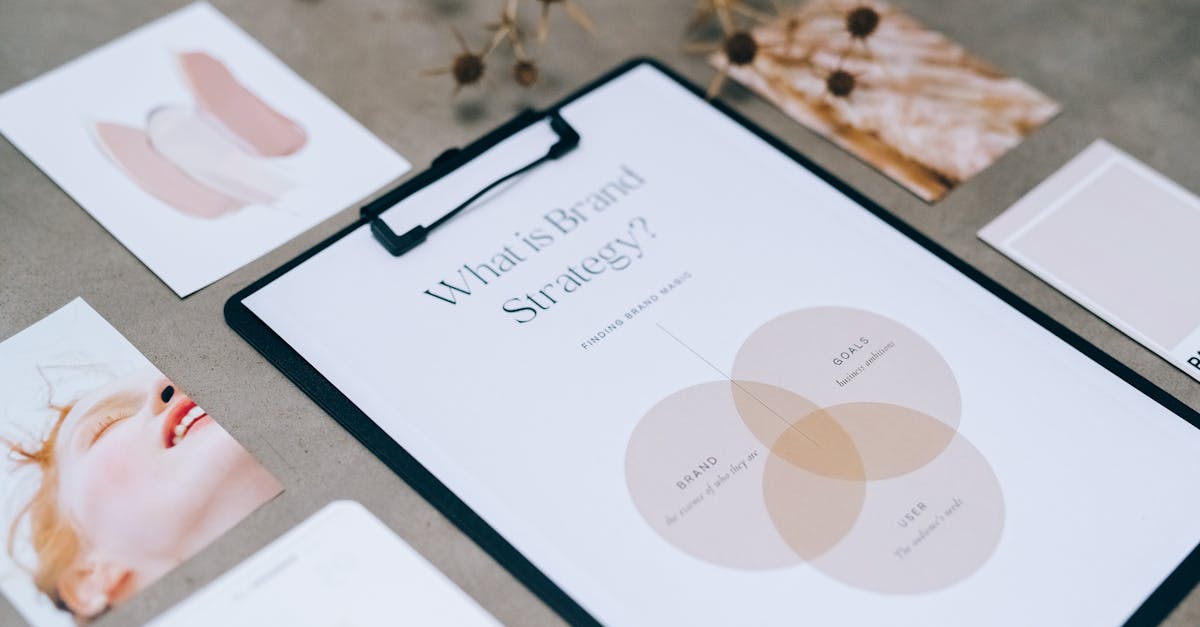
A mood board is the most effective tool for aligning everyone involved in the shoot on the intended visual direction. Collect reference images — not just photographs, but color palettes, interior spaces, textures, and even film stills — that capture the feeling you want the final images to carry. The mood board is not a shot list. It establishes atmosphere, color direction, and compositional style so that the photographer understands the target before planning individual shots.
Building a Shot List
The shot list translates the visual direction into specific images you need to capture. Organize it by category — headshots, lifestyle, behind-the-scenes, detail shots — and note the intended use for each image. Knowing that a particular shot is destined for a website hero banner versus an Instagram carousel versus an email header influences framing, orientation, and composition.
Be specific but not rigid. A shot list that reads “headshot in front of bookshelf, looking left, warm light” gives the photographer enough direction to set up efficiently while leaving room for creative interpretation. A list that reads “headshot” leaves too much to chance. Aim for 30 to 50 shots on the list for a full-day branding photoshoot, knowing that you will likely capture more variations than listed and that some planned shots will evolve during the session.
Styling and Props
Every visible element in a branding photograph should be intentional. Wardrobe choices should align with the brand’s color palette and tone — this is not the time for a favorite shirt that happens to clash with the brand colors. Props should be relevant to the brand story, not generic decorative objects. If you are a writer, show actual books and notebooks you use, not staged items from a home decor store. Authenticity registers on camera, even in styled shots.
Prepare multiple outfit options for portrait and lifestyle shots. Changing wardrobe mid-shoot creates visual variety in the final library, making it less obvious that all images came from a single session. Coordinate colors across outfits so they all work within the brand palette, even if the specific pieces differ.
Location Scouting
Location selection affects lighting, mood, and production complexity. Natural light locations — studios with large windows, outdoor spaces during golden hour, bright interiors — tend to produce the warm, approachable aesthetic that works for most brands. Darker, more controlled studio environments suit brands with a moodier or more editorial positioning.
Scout locations in advance and visit at the same time of day the shoot will take place. Light changes dramatically throughout the day, and what looks perfect at noon may be unusable at 3 PM. Note practical details: power outlets for equipment, space for wardrobe changes, parking for the crew, and ambient noise if video is also being captured.
Working With a Photographer
The right branding photographer understands that they are creating assets for a visual system, not a collection of standalone images. When evaluating photographers, review their portfolio not just for technical skill but for consistency — do their projects feel cohesive? Can you see a defined style that they bring while still adapting to different brands? A photographer who produces gorgeous but visually inconsistent work may not deliver the cohesion a branding library requires.
Share your mood board, shot list, brand guidelines, and color palette with the photographer well before the shoot date. The more context they have about your brand, the better they can make creative decisions in the moment — choosing angles, suggesting compositions, and adjusting lighting to serve the brand story rather than defaulting to their standard approach.
Branding Photography for Different Industries
While the fundamentals of brand photography apply universally, the specific approach varies significantly by industry. The types of images that build trust and drive conversion for a law firm differ from those that work for a handmade jewelry brand. Understanding these differences helps you plan shoots that produce the most strategically valuable images for your specific context.
Service Businesses
Service businesses — consultants, agencies, coaches, therapists, accountants, lawyers — sell expertise and relationships rather than physical products. Their branding photography needs to humanize the business and make the invisible (a service experience) feel tangible. Priority images include professional portraits of team members, shots of client interactions (staged or with permission), workspace environments, and process-oriented behind-the-scenes content.
The common mistake service businesses make is limiting their photography to formal headshots. A single headshot per team member is not a brand photography library. Clients want to see the people they will be working with in context — presenting, collaborating, thinking, and engaging. These images turn abstract service descriptions into something a prospective client can visualize themselves participating in.
Product Brands
Product brands need branding photography that works alongside — but is distinct from — their product photography. Standard product shots serve the catalog and e-commerce function. Branding photos put those products into the context of a lifestyle, an aesthetic, and a story. A clothing brand needs flat lays and model shots for selling specific garments, but it also needs lifestyle imagery that communicates the world the brand inhabits — the places, activities, and sensibility that define the brand beyond any single item.
For product brands, consistency in photography style is particularly critical because the images appear in high volume across social media grids, lookbooks, and advertising. A recognizable photographic style — defined by consistent lighting, color grading, and composition — becomes as much a part of the brand identity as the logo or packaging.
Personal Brands
For solopreneurs, freelancers, speakers, and thought leaders, the person is the brand. Personal branding photography therefore centers almost entirely on the individual — but with far more range and depth than a standard headshot session. A strong personal brand photography library includes formal and informal portraits, images showing the person at work, speaking, creating, or engaging with their craft, and lifestyle images that communicate values and personality beyond the professional context.
The challenge with personal brand photography is that many people are uncomfortable being the subject of an extensive photo session. A skilled branding photographer manages this by creating a relaxed environment, providing clear direction, and building in warm-up time at the beginning of the shoot. The best personal brand images feel natural and unposed, which paradoxically requires more direction and planning, not less.
Creative Professionals
Designers, artists, architects, photographers, and other creative professionals face a unique branding photography challenge: their audience has a trained eye and a low tolerance for visual mediocrity. The photography must not only be technically excellent but also demonstrate the creative sensibility that defines the brand. For a graphic designer’s portfolio site, the branding photography should feel as intentional and well-crafted as the design work it surrounds.
Creative professionals benefit from branding photos that emphasize process and environment — the studio, the tools, the work in progress. These images establish credibility by showing that the person works seriously at their craft. They also provide visual texture for a portfolio site that might otherwise consist entirely of finished project images.
Using Branding Photos Effectively
A branding photoshoot is an investment, and the return depends on how strategically you deploy the resulting images. Too many businesses invest in professional photography and then underutilize the library — posting a few images to social media and leaving the rest in a folder. A deliberate deployment strategy maximizes the value of every image.
Website
Your website is the primary home for branding photography. The homepage hero image sets the tone for the entire brand experience. About page portraits build personal connection. Service and product pages benefit from lifestyle and process images that make the offering feel tangible. Even functional pages — contact, pricing, FAQ — perform better with relevant branded photography than with stock images or no images at all.
When placing images on your site, consider how they interact with the overall graphic design of the page. Photography and design should support each other. A busy, detail-rich photograph works as a hero image on a minimal page layout. The same image becomes visual noise when placed alongside complex graphic elements and dense text.
Social Media
Social media consumes visual content at a relentless pace, which is precisely why a branding photography library is so valuable. Rather than scrambling to produce content for each post, you can draw from a curated collection of on-brand images that maintain visual consistency across your feed. Mix image types — alternate between portraits, lifestyle shots, detail images, and behind-the-scenes content — to keep the feed visually interesting while staying on brand.
Crop and format images specifically for each platform. An image composed for a horizontal website banner does not automatically work as a vertical Instagram story or a square feed post. When planning your shot list, note which images need to work across multiple formats and ensure the photographer frames them with enough negative space to accommodate different crops.
Email Marketing and Press Kits
Email headers, inline images, and signature photos all benefit from professional branding photography. A branded email header image makes a newsletter instantly recognizable in a crowded inbox. Inline images break up text and increase engagement. And a professional headshot in the email signature reinforces the personal connection with every message sent.
Press kits and media pages require high-resolution images available for download. Include a selection of headshots, team photos, and brand lifestyle images in your press materials. Journalists and event organizers will use whatever images you provide — and if you do not provide branded photos, they will use whatever they find online, which may not represent your brand as intended.
Presentations and Proposals
Client presentations, pitch decks, and proposals are another context where branded photos elevate perception. Replacing stock imagery in a presentation template with original branding photography immediately distinguishes your materials from every competitor using the same stock libraries. This is especially impactful for service businesses, where the proposal or pitch deck is often the first substantive touchpoint a potential client has with the brand.
Photography Style and Brand Identity
The style of your branding photography should be a direct extension of your brand identity. Just as your color palette communicates personality, your photographic style communicates positioning, values, and the emotional territory your brand occupies. This is not a superficial consideration — photography style is one of the most powerful tools for differentiating a brand visually, and it is often the element that ties the entire identity system together.
Consider the key variables that define photographic style. Lighting is the most fundamental: bright, even, natural light suggests openness, friendliness, and accessibility. Dramatic, directional light with strong shadows creates a sense of sophistication, intensity, or editorial authority. Color grading — the post-processing treatment applied to images — shapes the emotional tone. Warm tones (amber, golden highlights, muted reds) feel inviting and human. Cool tones (blue shadows, desaturated greens, silver highlights) feel modern, clean, or clinical. The color grading of your photography should complement your brand color palette, not compete with it.
Composition varies from minimal and spacious — with significant negative space and clean backgrounds — to dense and layered, filling the frame with context and detail. Minimal compositions align with brands that position themselves around simplicity, clarity, and premium quality. Busier, more contextual compositions suit brands that want to communicate abundance, energy, or a richly detailed story. Depth of field choices similarly affect perception: a shallow depth of field with a blurred background isolates the subject and creates a cinematic, polished feel, while a deep depth of field that keeps everything sharp feels more documentary and transparent.
Document your photography style as part of your brand guidelines, just as you would document your color palette and typography system. Specify the lighting approach, color grading parameters, preferred composition style, and any other visual characteristics that define the brand’s photographic identity. This documentation ensures consistency whether you are working with the same photographer over multiple shoots or transitioning to a new one. It also provides direction for team members who may be capturing informal content — behind-the-scenes phone photos for social media stories, for instance — so that even casual content aligns with the established visual brand.
DIY vs Professional Branding Photography
Not every brand has the budget for a professional branding photoshoot from day one, and not every situation requires one. Understanding when DIY photography makes sense and when professional investment is necessary helps brands allocate their resources effectively.
When DIY Makes Sense
DIY branding photography is a reasonable starting point for early-stage businesses that are still refining their brand identity and positioning. If your brand strategy is likely to evolve significantly in the next six months, investing heavily in professional photography may be premature — you could end up with a library of images that no longer represents the brand by the time you have finished using them. DIY also works well for behind-the-scenes content and social media stories, where the casual, unpolished aesthetic is actually an asset rather than a limitation.
The minimum equipment for serviceable DIY brand photography includes a smartphone with a capable camera (most phones manufactured in the last three years qualify), a window for natural light, a simple tripod or phone mount, and a basic photo editing app for consistent color grading. The single most important factor in DIY photography is not the equipment — it is the light. Shooting near a large window during the daytime, with the subject facing the light source, produces flattering, professional-looking results with minimal effort.
When to Invest in a Professional
Professional branding photography becomes essential when the brand is established enough that visual consistency and quality directly affect revenue. If your website is a primary sales tool, if you are positioning at a premium price point, if you are preparing for a rebrand or launch, or if your current visual content is a mixture of stock photos and phone snapshots that undermine the credibility of your other brand assets — it is time to hire a professional.
A professional branding photographer brings more than a better camera. They bring expertise in lighting, composition, and direction that turns a concept into a cohesive visual library. They understand how to manage a shoot efficiently, ensuring that you capture everything on the shot list within the allotted time. And they deliver files that are technically sound — properly exposed, color-corrected, and sized for the range of applications you need.
What to Look for in a Branding Photographer
When selecting a branding photographer, prioritize portfolio consistency over individual standout images. A photographer who produces reliably cohesive work across different projects is more valuable for branding purposes than one who occasionally produces a spectacular single image but lacks consistency. Review full project galleries, not just curated highlight reels.
Ask about their process. A branding photographer who asks about your brand strategy, audience, and visual identity before discussing shot logistics is approaching the work correctly. A photographer who jumps straight to scheduling without understanding the brand is likely to deliver technically competent images that may not serve the brand’s strategic needs. Also clarify deliverables and usage rights upfront — how many final edited images, what resolution, what licensing terms, and whether you receive the raw files.
Frequently Asked Questions
How many photos should a branding photoshoot produce?
A half-day branding photoshoot typically delivers 40 to 80 final edited images. A full-day shoot produces 80 to 150 or more. The exact number depends on the scope of the shot list, the number of setups and locations, and how many wardrobe changes are involved. For most small to mid-sized businesses, a half-day shoot every six to twelve months provides enough fresh content to maintain a consistent visual presence across all platforms.
How often should branding photos be updated?
Plan to refresh your branding photography library every 12 to 18 months at minimum. If your physical appearance changes significantly, your workspace moves, your product line evolves, or your brand undergoes a strategic repositioning, schedule a new shoot sooner. Seasonal businesses may benefit from shoots aligned with their key seasons. The goal is to ensure your images always reflect the current state of the brand — outdated photos create a disconnect between what people see online and what they experience in person.
What is the difference between branding photography and headshots?
Headshots are one component of a branding photography library, but they are not the same thing. A headshot session typically produces a set of portraits in one or two setups. A branding photoshoot produces a comprehensive collection of images — headshots, lifestyle, behind-the-scenes, workspace, detail shots, and product-in-context images — designed to cover every visual content need across your marketing channels. Think of headshots as a single instrument and branding photography as the full orchestra.
Can I use branding photos for advertising?
Yes, provided your agreement with the photographer includes commercial usage rights, which most branding photography contracts do. Clarify the specific terms before the shoot. Some photographers grant unlimited commercial usage for a flat fee. Others license images for specific uses or time periods. If you plan to use images in paid advertising — social media ads, print ads, billboard campaigns — make sure those uses are explicitly covered in the contract to avoid licensing issues down the line.
How do I maintain visual consistency if different people create content for the brand?
Document your photography style in your brand guidelines. Include reference images that represent the approved style, specify color grading parameters or preset filters, define compositional preferences, and list things to avoid. When multiple people contribute visual content, this documentation becomes the reference point that keeps everything aligned. For social media content created on phones, provide a specific editing preset or filter that team members can apply to maintain consistent color treatment across casual and professional content alike.