Colors That Go With Plum
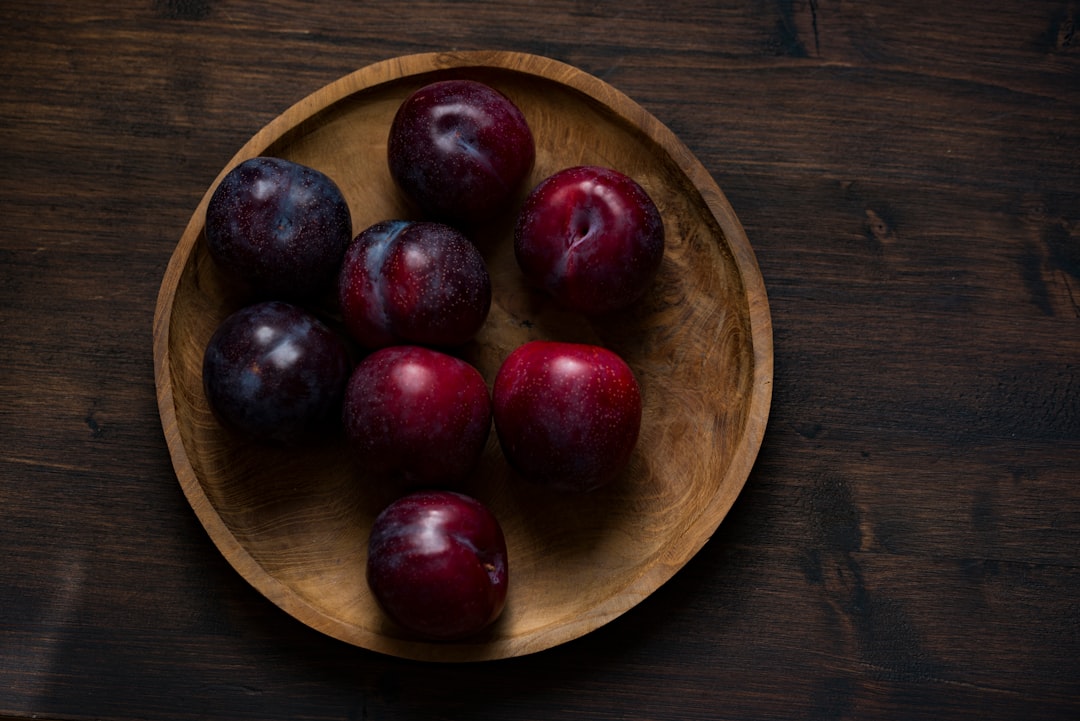
Plum is a deep, sophisticated purple with red warmth — rich, moody, and quietly luxurious. The best colors that go with plum are warm metallics like gold, soft pinks like blush, and grounding neutrals such as gray and cream, with sage and teal for contrast. Below are exact hex codes, ready palettes, and notes on using plum in branding, web design, and interiors.
What colors go with plum?
Plum (around #8E4585) is a deep red-purple. Because it’s dark and saturated, it pairs best with warm accents that lift it and soft neutrals that let it breathe. The strongest matches are:
- Gold (#C9A227) — a warm metallic that makes plum feel opulent, regal, and high-end.
- Blush (#F4C2C2) — a soft pink in plum’s own family that softens it into a romantic, modern pairing.
- Gray (#8A8D91) — a quiet neutral that calms plum’s richness and keeps a palette contemporary.
- Sage (#9CAF88) — a muted green near plum’s complement, for a fresh, unexpected contrast.
- Cream (#F5EFE6) — a warm neutral that lightens plum and adds softness without going stark white.
- Teal (#008080) — a deep blue-green that gives plum vivid, jewel-toned contrast.
Best color combinations for plum
Plum sits in the red-purple zone, which makes yellow-greens like sage and chartreuse its natural complementary colors and the source of its freshest contrast. Blush is a soft analogous partner, while gray and cream act as neutral anchors. If you’re deciding exactly which purple you have, our plum vs purple and plum vs eggplant comparisons help you place the tone before building a palette.
Plum + gold + cream (luxurious and warm)
The most opulent pairing. Gold lifts plum into jewel-toned luxury, cream softens the scheme, and the result feels rich and inviting — a go-to for beauty, hospitality, and premium branding.
Plum + blush + gray (modern and soft)
Blush keeps plum in a gentle, romantic register while gray modernizes it. A versatile combination for editorial, wedding, and lifestyle design.
Plum + teal + gold (jewel-toned and bold)
Teal and plum make a dramatic jewel-tone duo. Gold ties them together with warmth — a striking scheme for events, packaging, and statement branding.
Plum palettes with hex codes
| Pairing color | Hex | Why it works / mood |
|---|---|---|
| Gold | #C9A227 | Warm metallic; opulent and regal |
| Blush | #F4C2C2 | Soft analogous pink; romantic |
| Gray | #8A8D91 | Neutral balance; modern |
| Sage | #9CAF88 | Near-complement; fresh contrast |
| Cream | #F5EFE6 | Warm neutral; soft lightener |
| Teal | #008080 | Jewel-tone contrast; vivid |
| White | #FFFFFF | Clean space; crisp and modern |
Three ready palettes to copy:
- Luxurious warm: Plum #8E4585 · Gold #C9A227 · Cream #F5EFE6 · Gray #8A8D91
- Modern soft: Plum #8E4585 · Blush #F4C2C2 · Gray #8A8D91 · White #FFFFFF
- Jewel-toned bold: Plum #8E4585 · Teal #008080 · Gold #C9A227 · Cream #F5EFE6
How to build a balanced plum palette
Plum is dark and saturated, so it works well as an anchor that lighter colors surround. A reliable structure is roughly 30–50% plum, 40–60% neutral (cream, gray, or white), and 10% a warm or contrasting accent like gold, blush, or teal. The accent is what keeps a deep plum scheme from reading flat or gloomy.
Plum’s undertone changes its best partners. A redder plum (closer to #8E4585) loves gold, blush, and cream for warmth, while a cooler, bluer plum leans toward gray, teal, and silver. Hold your tone against both a gold and a teal swatch to see which direction flatters it before committing. Knowing whether your scheme leans warm or cool also helps — see warm vs cool colors.
A reliable way to test a plum palette is the 60-30-10 rule: 60% dominant, 30% secondary, 10% accent. Plum usually works best as the 30% secondary against a 60% neutral like cream or gray, with a 10% gold or teal accent that supplies the spark. Push plum to the dominant 60% only when you want a genuinely moody, immersive scheme — in those cases keep the secondary very light so the depth doesn’t become oppressive.
Because plum is dark, contrast is rarely a problem with light text, but plum-on-black or plum-on-navy lacks separation. For digital and brand use, set cream or white text on plum backgrounds, reserve gold for small accents, and always check that mid-gray or blush text keeps enough contrast to stay legible.
Colors to avoid with plum
Plum is rich and moody, so a few combinations fight it:
- Bright primary red — too close in warmth and equally intense, so it competes with plum instead of complementing it.
- Muddy brown alone — a dull brown can make plum look murky rather than rich; cream or gold lift it far better.
- Pure black as the only neutral — flattens plum’s depth; charcoal, gray, or cream let it read as a true color.
Plum in branding vs interiors
In branding, plum signals luxury, creativity, sophistication, and indulgence, which suits beauty, hospitality, wine, and premium brands. Pair it with gold and cream for an opulent identity or with gray and blush for a modern one, and use plum across primary surfaces. For the full process, see how to choose brand colors.
In interiors, plum makes a luxurious feature — a velvet sofa, accent wall, or drapery — against cream, gray, and natural wood. Gold and brass hardware bring out its richness, while sage and teal accents add freshness. As a deep color it works best balanced by generous light neutrals; for grounding partners, see our neutral color palette guide.
Frequently Asked Questions
What is the best color to pair with plum?
Gold (#C9A227) is the best partner for plum because the warm metallic lifts plum into rich, jewel-toned luxury. For softer schemes, blush and gray work beautifully, while sage or teal supply the freshest contrast when you want something less expected.
Does plum go with gray?
Yes. Gray is one of the easiest neutrals to pair with plum because it calms the saturation and reads modern and refined. Cool, mid-tone grays keep plum looking contemporary; very warm taupe-grays can muddy it, so a more neutral gray gives the cleaner result.
What colors go with plum for a wedding?
For a wedding, plum pairs beautifully with gold, blush, cream, and sage. Gold and cream feel opulent and warm, blush keeps it romantic, and sage adds an organic, modern freshness. A gold-and-blush accent palette suits most plum wedding schemes.
What is the difference between plum and eggplant?
Plum is a lighter, redder purple, while eggplant is a much deeper, browner-purple that sits close to a dark neutral. They share many partners, but eggplant behaves more like a base color, whereas plum reads as a true mid-tone accent. The same gold, blush, and sage pairings flatter both, just at different intensities.
Is plum a warm or cool color?
Plum is a relatively warm purple, since it carries red as well as blue, though deeper plums can lean cooler. That warmth is why gold, blush, and cream flatter it so well, while a cooler plum can also handle gray, teal, and silver for a more modern, jewel-toned feel.