Custom Font Design for Brands
A custom font — a typeface designed exclusively for one brand — is one of the strongest, most underrated tools in brand identity. It makes a company instantly recognizable in its own voice, and at large scale it can save more in licensing fees than it costs to commission. This guide explains why brands invest in bespoke type, how the process works, what it costs, and when a custom font is genuinely worth it versus licensing something off the shelf.
If you are new to how typefaces are built in the first place, start with our pillar on type design and how typefaces are made — every principle there applies here, just scoped to a single client.
What a Custom Font Actually Is
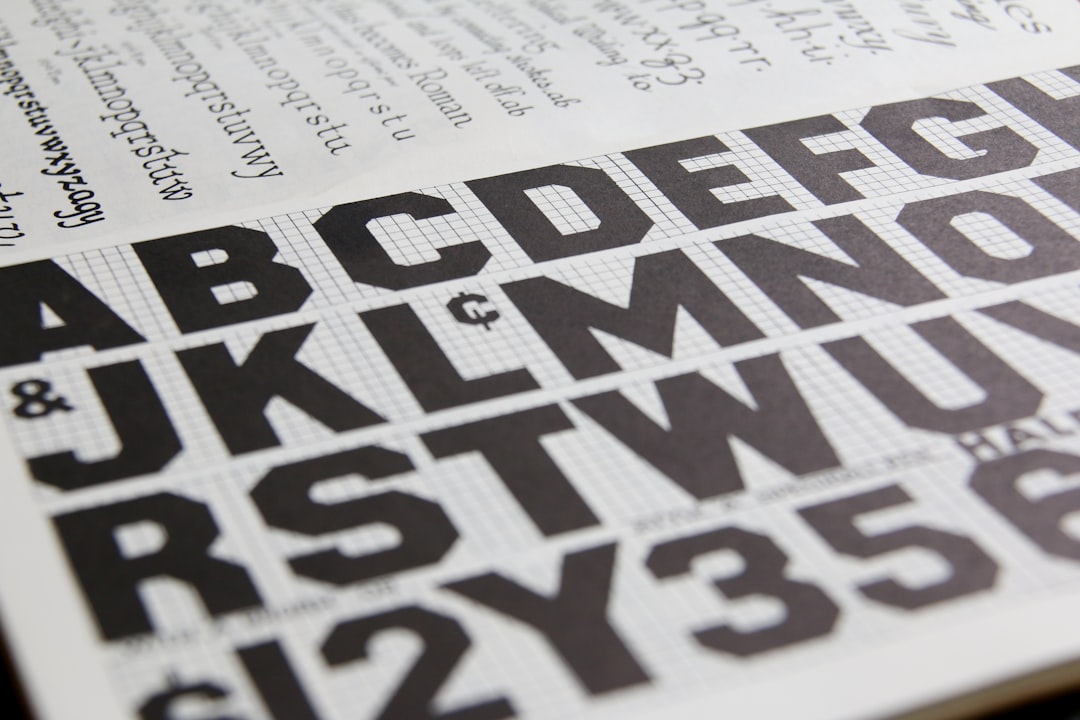
A custom font (also called a bespoke or proprietary typeface) is a typeface commissioned and owned by a brand for its exclusive use, rather than licensed from a foundry alongside everyone else. It can take two forms: a fully original design drawn from scratch, or a customized version of an existing typeface — modified proportions, redrawn key letters, a tailored character set — licensed for exclusive adaptation.
This is different from simply licensing a retail font. With a retail license you share the typeface with the world; with a custom typeface, the design belongs to your brand and no competitor can use the same letters. That exclusivity is the entire point.
Why Brands Commission Custom Typefaces
Large organizations across technology, media, retail, telecoms, and automotive have all commissioned proprietary typefaces. The reasons are consistent and concrete.
- Recognition and ownership. A distinctive typeface becomes a brand asset as recognizable as a logo or color. When type is unique to you, every word you set reinforces your identity.
- Licensing savings at scale. A global brand may run a typeface across thousands of users, apps, products, and ad campaigns. Per-seat or per-use licensing of a retail font can become enormous at that scale; a one-time custom commission with full ownership can cost less over time.
- Perfect fit for purpose. A custom face can be engineered for a brand’s exact needs — tiny UI labels, specific languages, a particular contrast level — rather than compromising with a general-purpose font.
- Consistency and control. Owning the type guarantees it is available everywhere, forever, without license expiry, vendor changes, or someone else discontinuing it.
- Differentiation. Many competitors default to the same handful of popular fonts. A bespoke face guarantees you do not look like everyone else in your category.
The decision usually comes down to whether the typeface choice supports any of these goals strongly enough to justify the investment. The qualities that make the result worthwhile are the same ones in our guide to what makes a good font — a custom font still has to be legible, well-spaced, and fit for purpose.
The Custom Font Design Process
Commissioning a bespoke typeface follows a structured collaboration between the brand and the type designer or foundry. The workflow mirrors general type design but starts with a brand brief.
- Brief and research. The designer studies the brand’s voice, audience, languages, and technical needs — print, screen, signage, product UI — and defines what the typeface must do.
- Concept and key characters. The designer sketches and digitizes a small set of control letters to establish the typeface’s DNA, then presents directions for the brand to choose from.
- Full character set. Once a direction is approved, the alphabet is expanded into the complete glyph set, weights, and styles the brand requires.
- Spacing and kerning. Every glyph is spaced and problem pairs are kerned — the painstaking work that makes the font read professionally.
- Hinting, testing, and delivery. The fonts are hinted for screens, proofed in real brand contexts, and delivered as production files with usage guidance.
The brand vocabulary you will hear throughout this process — bowl, stem, counter, terminal, x-height — is laid out in our guide to font anatomy. Knowing those terms lets you give precise, useful feedback to your designer instead of vague impressions.
What Does a Custom Font Cost?
Costs vary enormously with scope, so treat any figure as a broad range rather than a quote. The main variables are:
| Factor | Effect on cost |
|---|---|
| Number of weights and styles | Each additional weight and italic adds significant work |
| Glyph and language coverage | Extended Latin, Cyrillic, Greek, or non-Latin scripts raise scope sharply |
| Original vs. customized existing face | Modifying an existing typeface is cheaper than drawing from scratch |
| Exclusivity terms | Full exclusive ownership costs more than a semi-custom or shared license |
| Designer or foundry profile | Established foundries command higher fees than independents |
A modest single-weight customization can be a few thousand dollars; a full multi-weight family with broad language support from a leading foundry can reach six figures. The right way to evaluate it is against your licensing alternative: if you would otherwise pay large recurring fees to license a retail family across a big organization, a custom commission can pay for itself.
When You Don’t Need a Custom Font
A custom font is not always the answer, and a good studio will tell you so. For most small and mid-sized brands, the smarter move is a well-chosen pairing of high-quality licensed fonts. You can build a distinctive, professional identity by pairing the right typefaces — the core skill in our font pairing guide.
Consider licensing instead of commissioning when your usage scale is modest, your budget is limited, your timeline is short (custom work takes months), or an existing typeface already fits your brand. Plenty of excellent type is available to license — our guide to where to download fonts covers reputable free and paid sources. Whatever you choose, confirm the terms in our font licensing guide before you deploy.
Frequently Asked Questions
How much does a custom font cost?
It depends entirely on scope. A simple single-weight customization may cost a few thousand dollars, while a full multi-weight family with broad language coverage from an established foundry can reach six figures. The number of weights, glyph coverage, and exclusivity terms are the biggest cost drivers.
How long does it take to design a custom font?
Most bespoke typeface projects take several months, and a large multi-weight family with extended language support can take a year or more. The brief, concept, full character set, spacing, kerning, and testing each take real time, so custom type is not a fit for short deadlines.
Is a custom font worth it for a small business?
Usually not. Small and mid-sized brands typically get better value from a well-chosen pairing of licensed fonts. A custom font becomes worthwhile mainly at large scale, where licensing savings, exclusivity, and brand recognition justify the cost and the months of lead time involved.
What is the difference between a custom font and a licensed font?
A licensed retail font is shared with everyone who licenses it; a custom font is designed exclusively for one brand and owned by it, so competitors cannot use the same letters. Custom type offers exclusivity and control, while licensing offers lower cost and immediate availability.
Can I customize an existing font instead of starting from scratch?
Yes, and it is often the most cost-effective path. Many foundries will license an existing typeface for exclusive customization — redrawing key letters, adjusting proportions, or tailoring the character set. This delivers a distinctive, brand-specific result for far less than a fully original commission.