Food Packaging Design: Rules, Trends and Examples
Food is the most regulated, most competitive, and most physically demanding packaging category there is. Food packaging design has to trigger appetite, survive moisture and grease, carry a legally mandated information panel, and still stand out in a crowded chiller, all at once. This guide covers the rules you cannot break, the material and barrier decisions that keep food safe, the design levers that drive appetite appeal, and where the category is heading in 2026.
Food packs are one branch of the broader system. For the full workflow from brief to finishing, start with our packaging design process guide; this article focuses on what makes food different.
The Rules Come First
Unlike most packaging, food design starts with what is legally required, because the mandatory panel often consumes more space than anyone expects, and designing around it after the fact never works. Regulations vary by region, so confirm the specifics for your market, but the recurring mandatory elements are consistent:
- Product name / legal description — what the food actually is.
- Ingredient list — in descending order by weight.
- Allergen declaration — emphasized (often bold) within the ingredients.
- Net quantity — weight or volume, in the required units.
- Nutrition / nutritional information panel — in the prescribed format.
- Date marking — best-before or use-by, plus storage instructions.
- Manufacturer or distributor details and country of origin where required.
Lay these out first, then design the brand into the space that remains. A pack that looks beautiful but fails a compliance check is worthless, and rework at that stage is expensive.
Food-Safe Materials and Barriers
Material choice in food packaging is a safety decision before it is an aesthetic one. Anything touching the food must be food-grade and food-contact-safe, and the pack often needs a barrier, protection against moisture, oxygen, grease, or light, to keep the product fresh for its stated shelf life. A dry snack needs a moisture and oxygen barrier; a greasy item needs grease resistance; light-sensitive products need opacity.
| Food type | Key requirement | Typical material |
|---|---|---|
| Dry snacks, coffee | Moisture + oxygen barrier | Multi-layer or barrier-coated film/pouch |
| Bakery, confectionery | Grease resistance, display | Coated board, often with a window |
| Chilled / fresh | Moisture, condensation resistance | Film, coated board, freezer-grade labels |
| Frozen | Low-temp durability | Freezer-grade board and adhesives |
The recyclability tension is acute here: the multi-layer films that give the best barrier are often the hardest to recycle. Resolving that trade-off, where a mono-material or recyclable structure can meet the barrier need, is exactly the work covered in our sustainable packaging design guide, and it is one of the category’s biggest live challenges.
Appetite Appeal: Designing Hunger
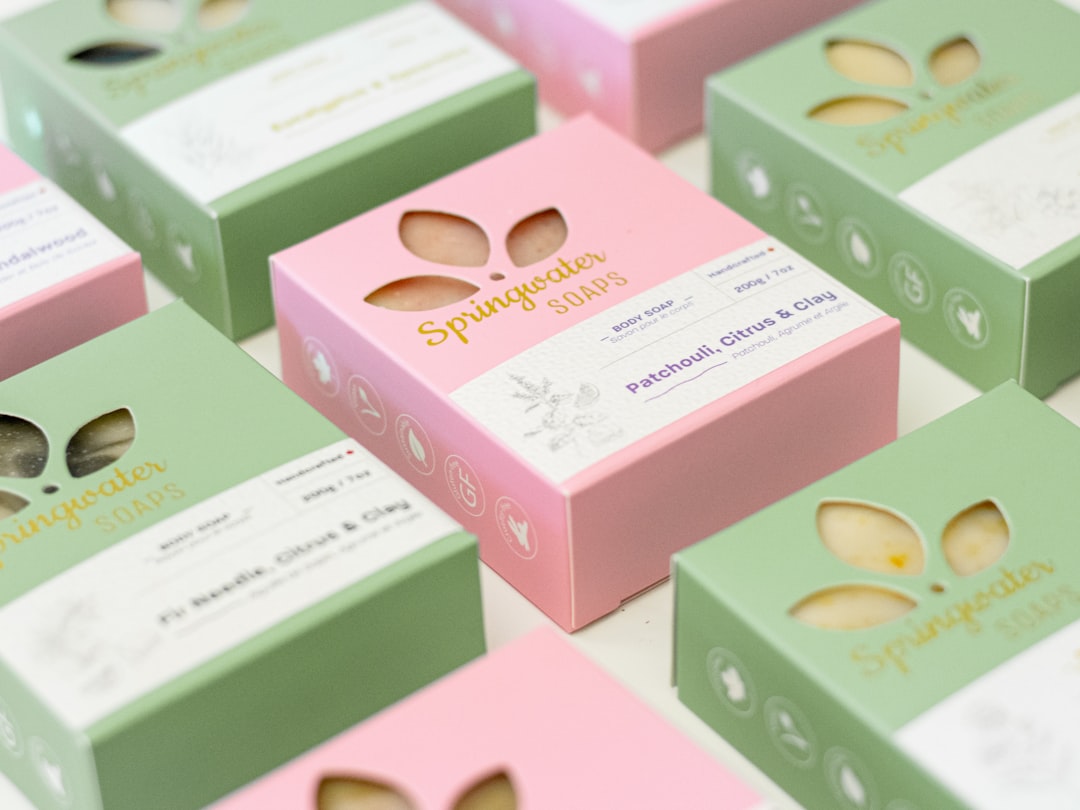
Food packaging has one job graphics can’t fake: it has to make people hungry. Appetite appeal is driven by a handful of reliable levers. Photography or illustration of the prepared product, shown at its best, does heavy lifting, and a die-cut window showing the real food can outperform any image. Color carries strong category associations (red and yellow for indulgence and fast food, green for fresh and healthy, black and gold for premium), and breaking those cues is a deliberate strategic choice, not an accident.
Typography sets the tone, hand-lettered and warm for artisanal, clean and bold for mainstream, restrained and spacious for premium. The label-level craft of hierarchy and legibility on these often small, curved, or flexible surfaces is covered in our product label design guide, which applies directly to jars, bottles, and pouches.
Winning the Shelf and the Chiller
Food shopping is fast and habitual, so a pack has a fraction of a second to register. Three principles help it win that moment:
- Distinctive brand block — a consistent color, shape, or device that the eye finds instantly in a busy aisle.
- One clear message — the single most important thing (flavor, benefit, format) readable at a glance.
- Range coherence — variants that share a system but differentiate flavor clearly, so the line reads as a family.
Remember the chiller and freezer add condensation and cold, which can fog film and lift cheap labels, so the design and the material must hold up under real storage, not just on a dry shelf in the studio.
The E-Commerce Shelf Is Different
A growing share of food is bought online, where the rules change. The pack no longer sells itself at arm’s length under store lighting; it sells as a small thumbnail on a search results page, often beside a competitor’s image at the same size. That demands a different kind of legibility: the brand and the single key message have to register at perhaps 200 pixels wide, before the customer has clicked anything. A busy front-of-pack that works beautifully in a hand reads as visual mush at thumbnail scale.
The physical journey changes too. A retail pack travels protected inside a case to a shelf; an e-commerce pack may travel alone through a parcel network, tumbled with heavier items, exposed to handling a shelf product never sees. Design for that trip: a structure and closure that survive the drop, and ideally a pack that does not need a second shipping box around it, which adds cost, material, and an extra unboxing step. Many food brands now run two pack variants, one optimized for shelf, one for ship-alone resilience, rather than forcing one design to do both jobs badly.
Food Packaging Trends in 2026
Several directions are shaping food packaging now. Treat these as a read of the current landscape rather than precise figures:
- Recyclable mono-material structures replacing hard-to-recycle multi-layer films wherever barrier needs allow.
- Honest, transparent design, real product windows, shorter ingredient call-outs, and clear claims, reflecting customer demand for trust.
- Bold, simplified branding that reads instantly on small e-commerce thumbnails as well as on shelf.
- Tactile and natural finishes, uncoated and kraft stocks signaling craft and sustainability.
- QR-enabled packs linking to provenance, recipes, or recycling instructions without cluttering the front face.
Frequently Asked Questions
What must be included on food packaging by law?
Food packaging legally requires the product name or legal description, an ingredient list in descending order by weight, an emphasized allergen declaration, net quantity, a nutritional information panel, date marking with storage instructions, and manufacturer or distributor details. Exact requirements vary by region, so confirm your market’s regulations and lay the mandatory panel out before designing the brand around it.
What materials are used in food packaging?
Food packaging uses food-grade materials chosen for the barrier the product needs: multi-layer or barrier-coated films and pouches for dry snacks and coffee, coated board for bakery and confectionery (often with a window), and freezer-grade board and adhesives for frozen goods. Anything touching the food must be food-contact-safe, and barrier needs often drive the material choice.
How do you make food packaging look appetizing?
Appetite appeal comes from showing the product at its best, through strong photography, illustration, or a die-cut window revealing the real food, paired with color cues the category understands and typography that matches the tone. Warm, hand-lettered type suits artisanal products; clean, bold type suits mainstream; restrained, spacious layouts read premium.
Why is sustainable food packaging difficult?
The multi-layer films that provide the best moisture and oxygen barriers, keeping food fresh for its shelf life, are often the hardest to recycle because their layers cannot be separated. The core challenge is finding recyclable mono-material structures that still meet barrier requirements. Where barrier needs allow, switching to recyclable structures is one of the category’s biggest current goals.
What food packaging trends matter in 2026?
Key 2026 directions include recyclable mono-material structures replacing hard-to-recycle films, honest and transparent design with real product windows and clear claims, bold simplified branding that reads on small e-commerce thumbnails, tactile natural finishes like kraft and uncoated stocks, and QR-enabled packs linking to provenance, recipes, or recycling guidance without cluttering the front.