Shades of Lime: Names and Hex Codes
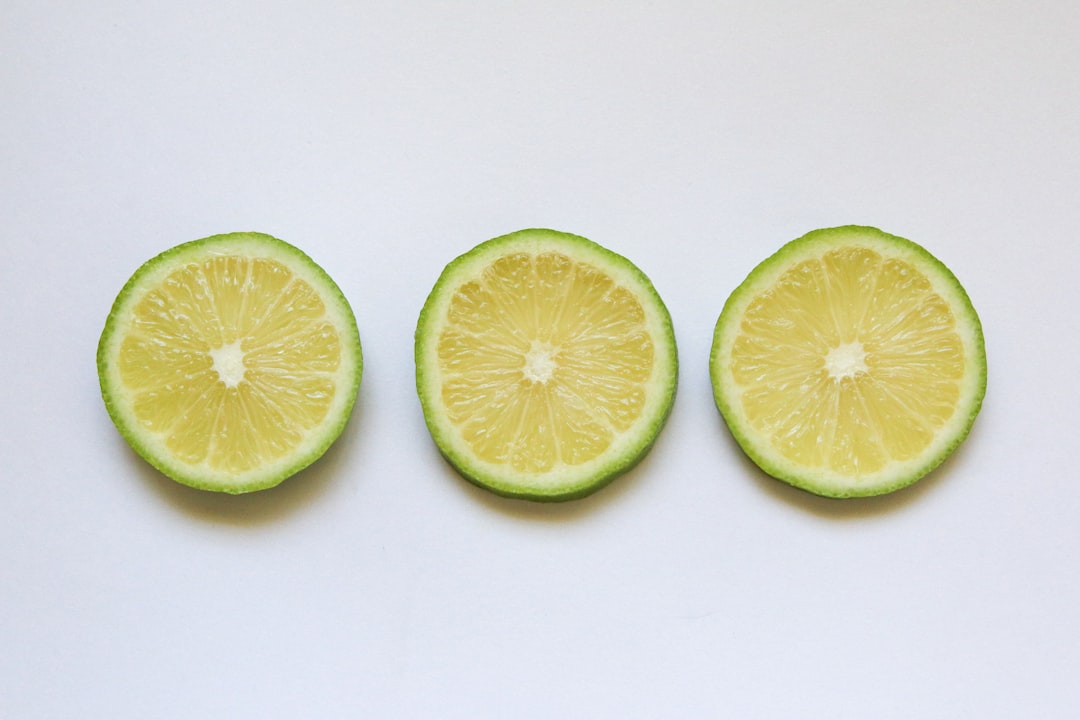
This is a practical reference for the most useful shades of lime, with accurate hex codes, RGB values, and notes on character and use. Lime sits between yellow and green — brighter and more acidic than a leaf green, fresher and zestier than a warm yellow. Small shifts toward yellow, green, or gray turn it from a glowing electric hue into a soft pear tone or a muted olive-adjacent green, so the right lime depends entirely on the mood you want. Use the table below as a citable palette, then read on for how the shades group together.
For how lime compares with its close relatives, see lime vs green and chartreuse vs lime; for the symbolism, read color psychology. The neighbouring jewel greens are covered in our shades of emerald reference.
Shades of lime: full table
| Shade name | Hex | RGB | Notes |
|---|---|---|---|
| Lime | #BFFF00 | 191, 255, 0 | Bright yellow-leaning lime. |
| Lime Green | #32CD32 | 50, 205, 50 | CSS limegreen; vivid grass-green. |
| Chartreuse | #7FFF00 | 127, 255, 0 | CSS chartreuse; electric yellow-green. |
| Yellow-Green | #9ACD32 | 154, 205, 50 | CSS yellowgreen; muted lime. |
| Pear | #D1E231 | 209, 226, 49 | Soft yellow-green fruit tone. |
| Electric Lime | #CCFF00 | 204, 255, 0 | Glowing neon yellow-lime. |
| Pure Lime | #00FF00 | 0, 255, 0 | CSS lime; maximum-bright green. |
| Bright Lime | #AEFF00 | 174, 255, 0 | Vivid yellow-green lime. |
| Lime Accent | #76FF03 | 118, 255, 3 | Vibrant UI accent lime. |
| Acid Lime | #A8E10C | 168, 225, 12 | Sharp acidic yellow-green. |
| Olive Lime | #6B8E23 | 107, 142, 35 | CSS olivedrab; muted deep lime. |
| Chartreuse Yellow | #DFFF00 | 223, 255, 0 | Yellow-dominant lime. |
| Spring Lime | #32CD00 | 50, 205, 0 | Fresh new-growth green-lime. |
| Apple Lime | #B5E61D | 181, 230, 29 | Crisp green-apple lime. |
| French Lime | #9EFD38 | 158, 253, 56 | Bright fresh green-lime. |
| Maximum Green Yellow | #C7EA46 | 199, 234, 70 | Soft balanced lime. |
| Alien Lime | #84DE02 | 132, 222, 2 | Vivid neon green-lime. |
| Dusty Lime | #7BB661 | 123, 182, 97 | Muted soft sage-lime. |
| Lemon Lime | #E3FF00 | 227, 255, 0 | Bright yellow-tilted lime. |
| Forest Lime | #4C9A2A | 76, 154, 42 | Deeper grassy green-lime. |
| Pale Lime | #BFFFC0 | 191, 255, 192 | Very light pastel lime. |
| Avocado Lime | #5A8F29 | 90, 143, 41 | Muted earthy deep lime. |
| Volt Lime | #D0F40C | 208, 244, 12 | High-visibility neon lime. |
| Android Lime | #A4C639 | 164, 198, 57 | Soft muted tech-lime. |
Electric and neon limes
The most striking limes glow. Lime (#BFFF00), Electric Lime (#CCFF00), Volt Lime (#D0F40C), and Acid Lime (#A8E10C) are the high-visibility yellow-greens used in sportswear, safety gear, and bold digital design. These are some of the most luminous colors on a screen, which makes them perfect for accents, highlights, and calls to action but exhausting as large fills. Pure Lime (#00FF00) is the CSS named “lime,” technically a maximum-bright green rather than a yellow-green, and it sits at the absolute saturation ceiling. For where electric lime separates from chartreuse, see chartreuse vs lime.
Chartreuse and yellow-leaning limes
Push lime toward yellow and it gets sharper. Chartreuse (#7FFF00), Chartreuse Yellow (#DFFF00), Lemon Lime (#E3FF00), and Bright Lime (#AEFF00) lean yellow and read as zesty, citrusy, and energetic. Chartreuse takes its name from a French liqueur and sits almost exactly between yellow and green, which is what gives it that distinctive acidic glow. These yellow-leaning limes feel fresh and modern, popular in beverage, fitness, and youth-oriented branding where the goal is energy and zest.
Fruit and soft limes
Soften lime and it turns gentle and edible. Pear (#D1E231), Apple Lime (#B5E61D), Maximum Green Yellow (#C7EA46), and Pale Lime (#BFFFC0) are the soft, fruit-toned yellow-greens that feel fresh without shouting. Pear in particular reads as ripe and natural, a friendlier alternative to electric lime. These approachable limes suit food, wellness, and lifestyle branding, pairing beautifully with cream, soft pink, and warm wood for a fresh, organic palette.
Grassy and muted limes
Deepen and gray lime and it grounds into green. Lime Green (#32CD32), Forest Lime (#4C9A2A), Olive Lime (#6B8E23), Avocado Lime (#5A8F29), and Dusty Lime (#7BB661) carry more green and gray, reading as natural, grounded, and a little earthy. Lime Green at #32CD32 is the CSS named “limegreen,” a vivid grassy green that sits firmly on the green side of the family. These deeper limes suit organic, outdoor, and sustainable brands where a neon lime would feel too synthetic. For where lime tips fully into green, see lime vs green.
Choosing the right lime shade
Choose a lime by how much energy you want it to carry. For a high-impact accent or call to action, reach for the electric and neon limes; for a zesty, citrusy feel, reach for the yellow-leaning chartreuses; for a friendly, edible warmth, reach for the soft fruit limes; and for a natural, grounded base, reach for the grassy and muted greens. The classic mistake is letting a neon lime dominate, which quickly reads as cheap or harsh, so reserve the brightest variants for small areas against a dark neutral. Keep your limes coordinated by undertone — a yellow chartreuse and a green lime green can fight if used in equal measure. A dependable formula is a dark anchor like charcoal or navy, one electric lime accent, and white or a soft lime for the rest.
Most popular shades of lime
The limes most people name and use are Lime (#BFFF00) as the bright yellow-green baseline, Lime Green (#32CD32) for a grassy green option, Chartreuse (#7FFF00) for the electric yellow-green, Yellow-Green (#9ACD32) for a muted version, and Pear (#D1E231) for a soft fruit tone. Together they cover neon through grassy to soft, which is why they anchor most fresh, energetic palettes.
How to use shades of lime in design
Lime signals energy, freshness, and youth, so it injects vibrancy into palettes that would otherwise feel flat. Use electric limes like Lime and Volt sparingly as accents, highlights, and calls to action; use fruit limes like Pear and Apple for friendly fills and backgrounds; and use grassy limes like Lime Green and Olive for natural, grounded anchors. Lime pairs beautifully with charcoal, navy, white, and warm gray, where a dark neutral lets the lime pop. The main risk is that high-saturation limes vibrate and tire the eye, and they can read as cheap or toxic if overused, so reserve the neon variants for small areas. A reliable approach uses charcoal or navy as the anchor, a single electric lime as the accent, and white or a soft lime for backgrounds. Because lime reads as energetic and modern, it suits tech, fitness, and food-and-beverage brands particularly well, injecting freshness and youth into any palette.
Frequently Asked Questions
What is the hex code for lime?
The CSS named color “lime” is #00FF00 (RGB 0, 255, 0), a maximum-bright green. The more common yellow-green “lime” is #BFFF00. For an electric yellow-green use Chartreuse (#7FFF00), and for a softer fruit tone use Pear (#D1E231).
What is the difference between lime and chartreuse?
Lime (#BFFF00) is a bright yellow-green that leans slightly green, while chartreuse (#7FFF00) sits closer to the exact midpoint between yellow and green, giving it a sharper, more acidic glow. Chartreuse is yellower and edgier; lime is a touch greener and more familiar. Both are highly saturated and luminous.
How many shades of lime are there?
Lime variations are effectively limitless because lime spans the yellow-to-green band, but designers typically reference 20 to 30 named shades. This list includes 24 of the most recognized, from electric neon limes through zesty chartreuse and soft fruit tones to grassy and muted greens.
What colors go well with lime?
Lime pairs naturally with charcoal, navy, white, and warm gray, where a dark neutral makes the lime pop. For high contrast, combine lime with magenta, purple, or hot pink. Softer fruit limes also work alongside cream, coral, and warm wood for a fresh, organic scheme.