Travel Logo Design: Tips and Examples
A travel logo has a harder job than most marks: it has to suggest movement, place, or escape in a fraction of a second, and then hold up everywhere from a passport-sized boarding pass to a building-sized hotel sign. The best ones feel like a small promise of somewhere worth going. This guide breaks down the symbols, type, and color decisions that make travel logos work, with practical advice you can apply whether you are branding a tour operator, a destination, or a boutique stay.
Travel logo design rarely lives alone. It is one piece of a larger system, so before you finalize a mark it is worth reading our pillar on hotel branding to understand how the logo sits inside signage, photography, and voice. A logo that ignores its surrounding system tends to look orphaned the moment it ships.
What Makes a Travel Logo Different
Most logos identify a company. A travel logo also has to evoke a feeling — wanderlust, calm, adventure, indulgence — without becoming a clichéd postcard. The genre is crowded with the same handful of symbols, so the challenge is using familiar visual language while still looking like you and not your competitor across the street.
Three pressures shape every travel mark:
- Emotion: it must trigger a desire to go somewhere.
- Place: it often needs to hint at a specific destination or vibe.
- Scale: it must read on a luggage tag and on a billboard, in full color and in a single embossed tone.
Common Travel Logo Symbols (and How to Avoid Cliché)
Certain motifs dominate the category because they communicate fast. The trick is to use them with a fresh angle rather than reaching for the most obvious version.
| Symbol | Signals | Cliché trap |
|---|---|---|
| Compass / arrow | Exploration, direction | Generic startup feel |
| Mountain | Adventure, nature | Overused triangle silhouette |
| Wave / horizon line | Coast, calm, escape | Looks like every spa |
| Plane / paper plane | Flight, going far | Dated clip-art energy |
| Sun / globe | Worldwide, warmth | Stocky and corporate |
A better approach is to abstract the idea. Instead of a literal mountain, a single confident line that reads as both a peak and a route. Instead of a plane, the negative space of a window or a horizon. Local specificity also rescues a mark from cliché: a destination logo that nods to a regional pattern, plant, or architectural detail will always feel more authentic than a generic globe.
Logotype vs. Symbol vs. Combination
You generally have three structural choices, and the right one depends on how the brand will be used.
- Logotype only: the name set in distinctive type. Works well for boutique and design-led travel brands where personality lives in the wordmark.
- Symbol only: a standalone mark. Powerful but requires recognition the brand may not have yet, so most new travel brands earn this over time.
- Combination mark: symbol plus wordmark, with a separable monogram for small uses. This is the most flexible and the most common in hospitality, because travel brands need both a full lockup and a tiny mark for tags, embroidery, and app icons.
For a step-by-step on developing any of these, our logo design process guide walks through research, sketching, and refinement.
Typography for Travel Logos
Type carries more of a travel logo’s emotion than people expect. The tier and personality of the brand should be legible in the letterforms before anyone reads the word.
- Refined serifs read as established, luxurious, and trustworthy — good for high-end resorts and heritage travel brands.
- Geometric sans-serifs feel modern, efficient, and friendly — common for tour platforms and airlines.
- Humanist sans like Inter or similar offer warmth plus excellent legibility for brands that operate across many languages.
- Characterful display or script faces suit boutique and lifestyle travel, but use them only in the logo, never for body text or wayfinding.
Whatever you choose, customize it slightly. A subtle ligature, a tweaked terminal, or modified spacing turns a font into a wordmark and protects the brand from looking like an untouched template. If you are weighing pairings for the wider identity, the font pairing guide covers how to match a display choice with a workhorse text face.
Color in Travel Branding
Color sets mood fast. Blues and teals evoke sea and sky and dominate the category, which is exactly why a distinctive palette stands out. Warm earth tones suggest desert, adventure, and authenticity; deep greens read as nature and wellness; black and gold signals luxury. Whatever the palette, design the logo to survive in a single color first. If it only works in a multi-color gradient, it will fail on an embossed key card, a stitched robe, or a one-color stamp — all everyday surfaces in travel.
Scalability and Real-World Testing
Travel logos appear at extreme size ranges and on unusual materials. Before you finalize, test the mark at the sizes it will actually live at.
- App icon and favicon scale — does the symbol survive without the wordmark?
- Luggage tag and boarding pass — legible at thumbnail size?
- Embroidery and embossing — does it hold up in one color and one material?
- Large signage — does it stay elegant when it is six feet wide?
Build a one-color version, a reversed (knockout) version, and a simplified small-use version from the start. These are not afterthoughts in travel; they are the versions that ship most often.
Examples of Effective Travel Logo Approaches
It helps to think in terms of approaches rather than copying specific brands. A few directions consistently produce strong, ownable travel marks:
- The single-line landmark: reducing a recognizable feature — a peak, an arch, a coastline — to one continuous, confident stroke. It scales beautifully and reads instantly because the eye completes the shape.
- The cultural motif: drawing on a regional pattern, textile, or craft tradition to root the brand in a real place. This works especially well for destinations and is almost impossible for a competitor to copy without looking derivative.
- The lettermark with movement: treating the initials or name so the letterforms themselves suggest motion — a leaning italic, a connecting ligature, a swash that reads like a flight path or a wave.
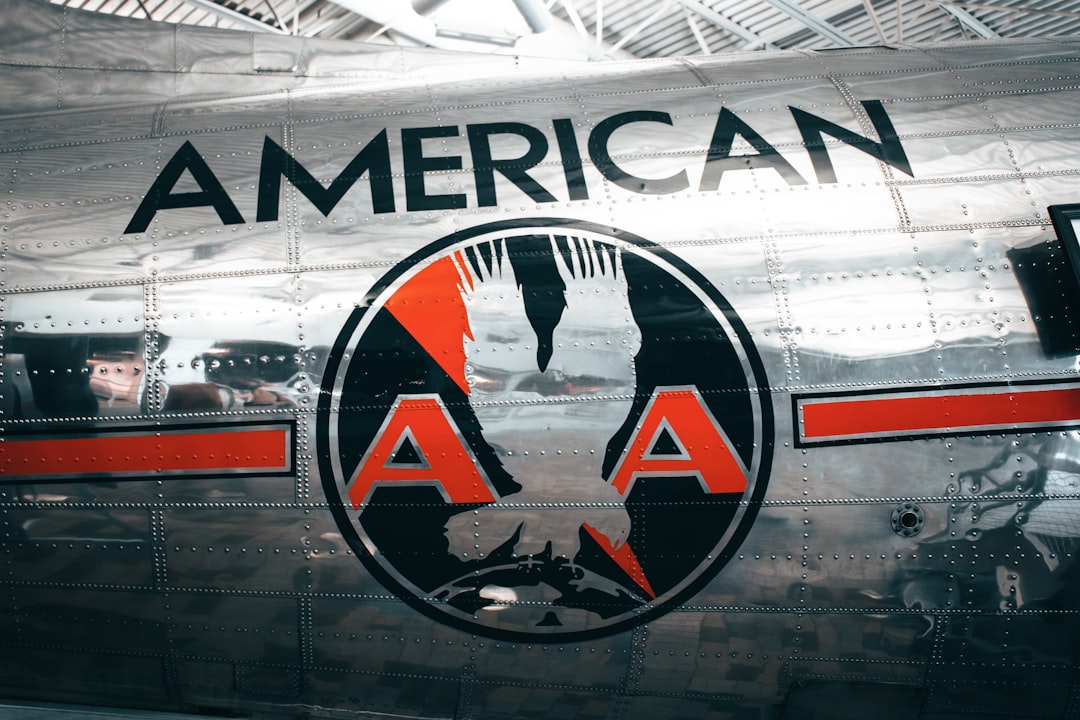
- The badge or seal: an enclosed emblem that signals heritage and trust, common for tour operators and travel clubs that want to feel established. Use sparingly, as badges date faster than open marks.
The common thread is that each approach takes a familiar travel idea and renders it with one specific, intentional choice. That single choice is what separates a memorable mark from a stock symbol.
Building the Logo Into a System
A travel logo is rarely the end of the job. Once it is approved, it has to extend into a full toolkit: a clear-space rule that protects it from clutter, a set of approved color and reversed versions, an icon-only lockup for app and social profiles, and guidance on how it sits over photography — which in travel it almost always will. Define a minimum size, a do-not list of common misuses, and how the mark pairs with the brand’s secondary typeface. Documenting these rules early prevents the slow drift that turns a sharp identity into an inconsistent one within a season.
Putting It in Context
A logo is the seed of an identity, not the whole tree. Once the mark is right, it has to extend into everything else the brand touches. For destination marketing collateral, see tourism poster design, and for the print pieces that carry the logo into a traveler’s hands, our guide to travel brochure design shows how the mark behaves across layouts.
Frequently Asked Questions
What makes a good travel logo?
A good travel logo evokes a feeling of place or escape, works in a single color, and scales from a luggage tag to a billboard. It avoids overused clichés by abstracting familiar symbols or referencing something specific to the brand, and it pairs a distinctive mark with legible, on-brand typography.
What colors work best for travel logos?
Blues and teals dominate because they suggest sea and sky, but that ubiquity is also why other palettes stand out. Warm earth tones signal adventure and authenticity, greens read as nature and wellness, and black with gold conveys luxury. Always confirm the logo works in one color too.
Should a travel logo use a symbol or just text?
A combination mark — symbol plus wordmark with a separable monogram — is the most flexible and most common in travel, because brands need both a full lockup and a tiny mark for tags and app icons. Logotype-only suits boutique brands, while symbol-only works once recognition is established.
How do I make my travel logo stand out?
Avoid the literal versions of common symbols like planes and globes. Abstract the idea instead, lean on local specificity such as a regional pattern or landmark, and give the typography a custom touch. Distinctive color away from the default blue also helps the mark feel less generic.