Emblem Logo Design: Crests, Badges and Seals
An emblem logo locks the brand name and a symbol together inside a single contained shape, a badge, crest, or seal. The result feels established, official, and built to last, which is why Starbucks, Harley-Davidson, and most NFL teams use them. This guide shows you how to design one that reads as heritage without becoming a cluttered mess.
Emblems are one of the oldest and most distinctive formats in the broader family of logo types. Where a combination mark keeps the name and symbol separable, an emblem fuses them into one inseparable unit, and that single difference drives every design decision.
What an Emblem Logo Is
An emblem is a logo where the typography and the icon are integrated inside an enclosing shape, the name is part of the badge, not sitting beside it. Crests, seals, shields, and circular badges all fall under this umbrella. The defining trait is enclosure: a border or container holds everything together as a single sealed object.
This format carries strong connotations. Emblems echo heraldry, university seals, automotive badges, and athletic crests, so they instantly signal tradition, authority, and permanence. A new craft brewery or a sports team gains gravitas the moment it adopts a well-built emblem.
Crests, Badges, and Seals: The Variants
Emblem is the umbrella term, but the variants carry slightly different signals:
- Crest. Shield-shaped, rooted in heraldry. Reads as institutional and prestigious, common for schools, sports clubs, and old-world brands.
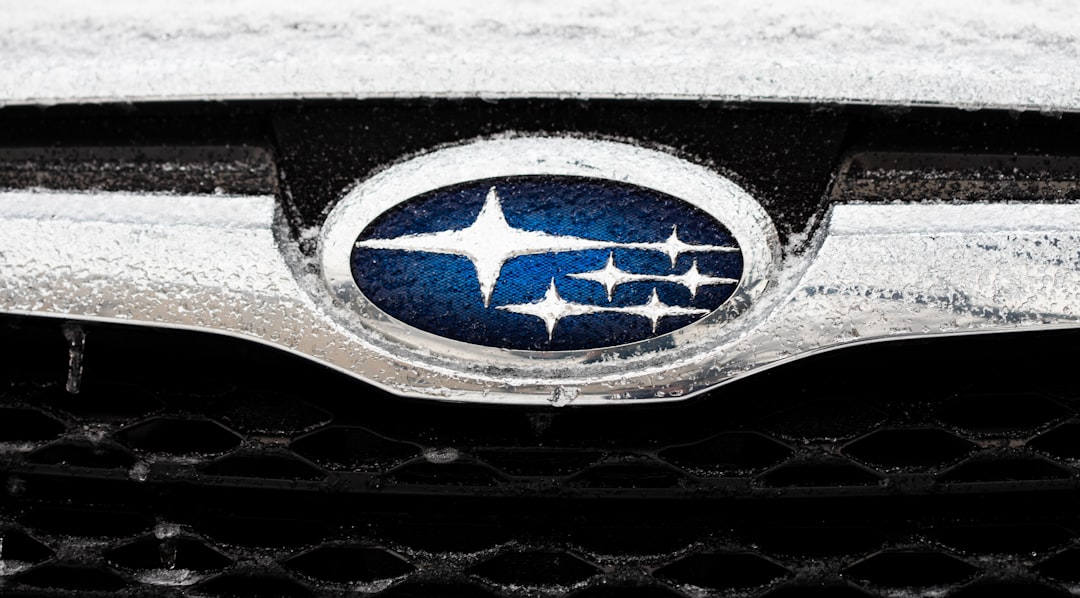
- Badge. Often circular or rounded, frequently used by craft, outdoor, and lifestyle brands. Harley-Davidson’s bar and shield is a famous example.
- Seal. Circular with text wrapping the perimeter, evoking official stamps and authenticity. Starbucks is the most recognized seal-style emblem.
Pick the variant whose connotation fits your brand. A law firm leans crest; an outdoor coffee roaster leans badge or seal.
When an Emblem Is the Right Choice
Emblems suit specific brands and goals. Choose one when:
- You want to signal heritage and authority. The contained, traditional form reads as established even for a young brand.
- The brand has a strong physical presence. Emblems excel on signage, packaging, uniforms, and embroidery, where the self-contained shape stamps cleanly.
- You are in sports, education, craft goods, or hospitality. These categories have a long emblem tradition that audiences already read fluently.
Be cautious if your brand is digital-first and needs to live at tiny sizes. Emblems pack a lot into one shape, and that density is their main weakness at small scale, which we address below.
How to Design an Emblem Step by Step
Emblems demand more compositional planning than other logo types because everything must fit inside one frame:
- Choose the containing shape. Shield, circle, oval, or banner. The shape sets the tone before any content goes in.
- Plan the hierarchy. Decide what the eye sees first, usually a central symbol, then the brand name, then supporting text like a founding date or tagline.
- Build on a grid. Emblems rely on symmetry and balance. Construct the layout on guides so weight is distributed evenly within the frame.
- Set the wrapping text. Curved type around a circle needs careful spacing. Tighten or open the tracking so it reads cleanly along the arc.
- Edit ruthlessly. The temptation is to add more, an icon, a date, a tagline, a border, a banner. Remove anything that does not earn its place.
Typography choice still matters here. Serifs and slab serifs reinforce the traditional, official feel; a clean sans can modernize an emblem without losing its structure. If the emblem anchors a wider system, our font pairing guide helps you choose complementary supporting type.
The Scalability Problem and How to Solve It
Because emblems combine text, symbol, and border in one dense shape, they are the hardest logo type to keep legible when shrunk, fine print disappears first. Handle this deliberately:
- Design in vector. Use Adobe Illustrator, Affinity Designer, or Figma, outline the type, and export master SVG plus PNG files.
- Create a simplified variant. Many modern emblems ship a stripped-down version for small use, dropping the wrapping text or fine details. Starbucks famously simplified its seal over time, eventually removing the wordmark entirely.
- Supply a single-color version. Emblems are often embroidered, embossed, or stamped, so a clean one-color form is essential.
- Test at favicon size. If the inner text becomes illegible, that is exactly why a simplified variant exists.
Emblem vs Combination Mark
These two are easy to confuse because both contain text and a symbol. The difference is separability:
| Aspect | Emblem | Combination mark |
|---|---|---|
| Structure | Text and symbol fused in one shape | Text and symbol are separable |
| Flexibility | Locked, used as one unit | Icon and name can be used apart |
| Feel | Traditional, official | Modern, versatile |
| Example | Harley-Davidson | Adidas |
If you need the icon to stand alone on an app screen, an emblem is the wrong choice, reach for a combination mark instead.
Applying an Emblem Across Surfaces
Emblems earn their reputation on physical surfaces, so plan applications as carefully as the artwork itself. The contained shape that makes an emblem feel official is also what makes it stamp, embroider, and emboss so cleanly, but only when you prepare the right variants.
- Embroidery and patches. Stitched emblems lose fine detail, so confirm the simplified variant survives at patch size with chunky thread. Sports and outdoor brands rely heavily on this use.
- Embossing and foil. A single-color, flat version is essential for debossed leather, foil-stamped packaging, and engraved metal. Gradients and thin outlines fail on these surfaces.
- Signage and merchandise. The full detailed emblem shines large, on storefronts, vehicle livery, and apparel, where its density reads as craftsmanship rather than clutter.
Set firm clear-space and minimum-size rules in the brand guidelines. Because an emblem packs so much into one frame, crowding it with nearby elements or printing it too small quickly turns a premium badge into an illegible smudge. A short usage guide protects the equity you build into the mark.
Common Emblem Mistakes
- Overcrowding. Too many elements inside the frame turn the emblem into an unreadable medallion.
- No small-size variant. A detailed emblem with no simplified version fails on favicons and app icons.
- Poor curved text spacing. Badly tracked wrapping type is the most common giveaway of an amateur emblem.
- Ignoring single-color use. Emblems live on embroidery and stamps; design for one color from the start.
Frequently Asked Questions
What is an emblem logo?
An emblem logo integrates the brand name and a symbol inside a single enclosing shape such as a badge, crest, or seal. The text is part of the contained mark rather than sitting beside it. Starbucks, Harley-Davidson, and most NFL team logos are well-known emblem designs.
What is the difference between an emblem and a combination mark?
In an emblem, the text and symbol are fused into one inseparable shape used as a single unit. In a combination mark, the icon and name are separable and can be used independently. Emblems feel traditional and official; combination marks are more flexible and modern.
Are emblem logos hard to scale down?
Yes, because they pack text, symbol, and a border into one dense shape, fine details vanish at small sizes. The solution is to design in vector and ship a simplified small-size variant that drops the wrapping text or fine elements, exactly as Starbucks did when it streamlined its seal.
What types of brands use emblem logos?
Sports teams, universities, craft and outdoor brands, breweries, automotive companies, and hospitality businesses favor emblems because the contained, heraldic form signals heritage and authority. Emblems also stamp and embroider cleanly on uniforms, packaging, and signage, making them ideal for brands with a strong physical presence.