Cosmetic Logo Design: Beauty Brand Marks
A cosmetic logo has a harder job than most: it has to read on a one-centimetre lipstick cap, survive being foil-stamped in a single colour, and still feel premium on a backlit billboard. Beauty marks live or die at thumbnail size and in blind embossing, so they reward simplicity and punish fussy detail. This guide covers how to design a cosmetic logo that works everywhere a beauty brand appears.
The logo is one piece of a larger identity. For the full system — palette, packaging, photography and tone — start with our pillar guide to beauty brand design, then use this article for the mark itself.
Why Beauty Brands Favour Wordmarks
Look across the category and you will see mostly wordmarks — the brand name set in a distinctive, carefully drawn typeface — rather than pictorial symbols. There is a practical reason. Cosmetic surfaces are tiny and curved, the brand often needs to be readable as a single foil hit or blind deboss with no colour, and customers search and ask for products by name. A clean wordmark satisfies all of this. Pictorial marks and monograms still have a place, usually as a secondary device for caps, closures and social avatars.
The Main Logo Types in Beauty
| Type | What it is | Best for |
|---|---|---|
| Wordmark | The full name as styled type | Primary brand mark, cartons, bottles |
| Monogram | Initials as a compact device | Caps, closures, embossing, avatars |
| Lettermark + symbol | A small icon paired with the name | Brands wanting a recognisable badge |
| Emblem | Name enclosed in a contained shape | Heritage or apothecary positioning |
Most beauty brands end up with a wordmark as the master logo and a monogram or symbol as a flexible secondary mark — a small system rather than a single lockup.
Type Choice Signals Your Price Tier
The typeface does most of the positioning work in a cosmetic logo. As a guide:
- Elegant high-contrast serifs (Didot- and Bodoni-style) read as luxury, fragrance and heritage — refined, couture, expensive.
- Clean geometric or neo-grotesque sans faces read as modern, clinical and accessible — the default for efficacy-led skincare and contemporary makeup.
- Humanist sans faces feel warm and approachable — good for friendly, everyday brands.
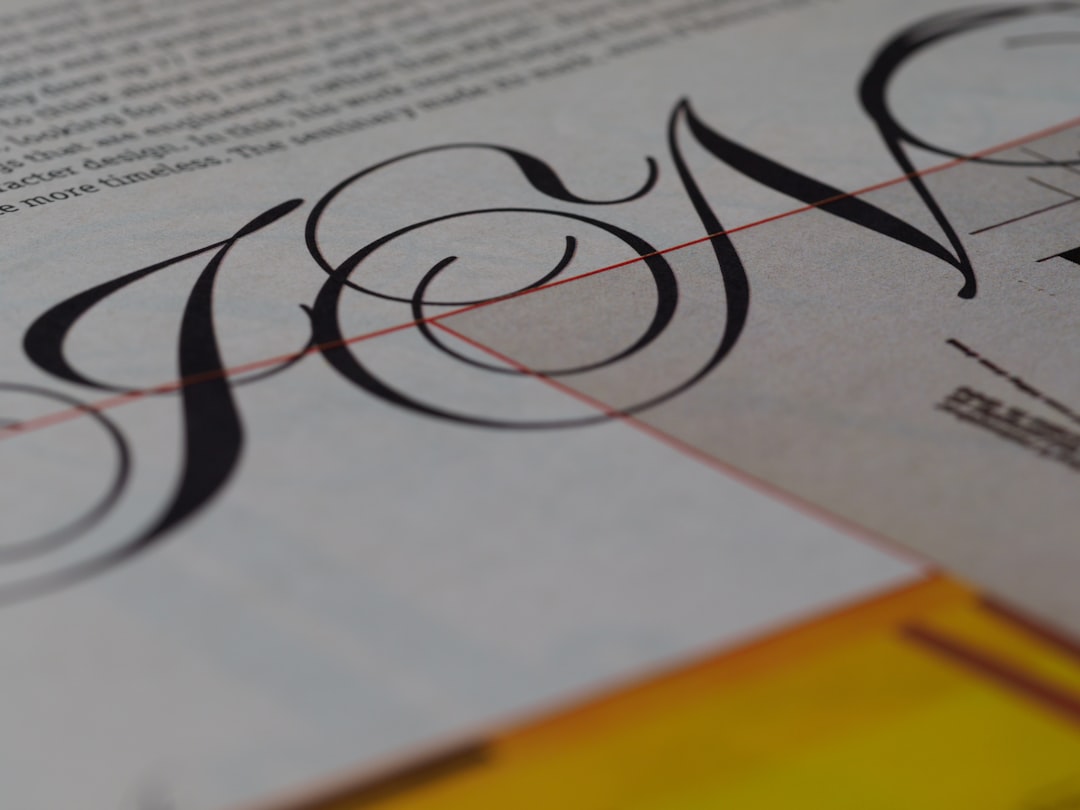
- Considered scripts can add a personal, artisanal feel, but must stay legible at small sizes — many fail this test.
Whatever direction you choose, customise it. Adjust spacing, redraw a key letter, refine the terminals — a logo set in an untouched off-the-shelf font rarely feels owned. For choosing complementary supporting faces, our font pairing guide is the reference.
Design for the Hardest Conditions First
Beauty logos appear in brutal conditions, so test against them before falling in love with a design:
- Thumbnail / tiny scale — render it at the size it sits on a lipstick cap. If letters merge or thin strokes vanish, simplify.
- Single colour — foil and screen printing are often one colour. The mark must work with no colour to lean on.
- Blind deboss / emboss — many premium logos appear with no ink at all, just a pressed impression. Fine detail disappears.
- On a curve — wrapped on a tube, a centred wordmark can look off. Proof it curved.
- Reversed (knockout) — white on dark glass or board is common; check it still holds.
A logo that survives all five is far more useful than one that only looks good as a full-colour vector on a white screen.
Build a Logo System, Not One File
A single lockup is not enough for a real beauty brand. Deliver a small system: a primary horizontal wordmark, a stacked version for square spaces, a monogram or symbol for tiny applications and avatars, and clear clear-space and minimum-size rules. Provide it in vector formats (AI, EPS, SVG) plus PNGs, and specify the brand colours in Pantone and CMYK so packaging printers reproduce them accurately across substrates.
Tools and Production
Cosmetic logos are drawn as vectors in Adobe Illustrator so they scale from billboard to cap without loss, and mocked up on dielines and renders in Photoshop to preview foil, emboss and on-pack placement. Always supply the foil and emboss elements as clean, single-colour vector artwork the print finisher can use directly. For how the logo flows into the rest of the identity, see our visual identity design overview.
Colour and the Foil Question
Beauty logos frequently appear in metallic foil rather than flat colour, so plan for it from the start. Gold and silver foils read as the default luxury cues; copper and rose-gold lean warm and contemporary; holographic foils feel playful and modern. But foil is effectively a single tone with a reflective quality, so a logo that relies on subtle colour gradients or fine two-tone detail will not translate. Design a version that works as one solid colour first, then treat foil, emboss and full-colour as expressions of the same clean artwork.
Specify your brand colour in Pantone and CMYK, not just RGB, because the logo will be printed on packaging where screen colours do not reliably reproduce. A colour approved on a monitor can shift noticeably once it is printed on coated board or a frosted bottle, so request a physical proof on the real substrate before sign-off.
A Worked Example of Positioning Through Type
To see how much the typeface decides, imagine the same brand name, “AURELIA”, drawn three ways. Set in a high-contrast Didot-style serif with wide tracking, it reads as a prestige fragrance or anti-ageing line. Set in a clean geometric sans in lowercase, it reads as an accessible, modern, efficacy-led skincare brand. Set in a delicate script, it reads as artisanal and handmade. Nothing changed but the type, yet the price tier, the shelf it belongs on, and the customer it speaks to all shifted. That is why type choice is the first real decision in a cosmetic logo, not a finishing touch.
Common Mistakes
The usual failures: a logo too detailed to read at cap size; thin serifs that vanish in foil or deboss; an untouched stock font that feels generic; no monogram or small-scale fallback; and brand colours specified only in RGB, which then shift on press. Designing for the easy case (big, full-colour, on screen) and discovering the hard cases at production is the most expensive mistake of all.
Where This Sits in the Cluster
The logo is the centre of the identity, but it needs the rest of the system around it. See cosmetic packaging design for how the mark lives on physical product, and our spa and wellness branding guide for how beauty marks extend into service brands.
Frequently Asked Questions
What type of logo is best for a cosmetic brand?
A wordmark is usually best, because it reads clearly on tiny curved surfaces, works as a single foil hit or blind deboss, and matches how customers search by name. Many brands pair the wordmark with a monogram or symbol for caps, closures and social avatars, forming a small flexible system.
What font should a beauty logo use?
It depends on positioning. Elegant high-contrast serifs signal luxury and fragrance, clean modern sans-serifs signal clinical, accessible skincare, and humanist sans feels warm and everyday. Whatever you choose, customise the spacing and key letters so the mark feels owned rather than set in an untouched stock font.
How small should a cosmetic logo work?
It must remain legible at the size it sits on a lipstick cap or small tube — often well under a centimetre tall. Test it at that scale, in a single colour, and as a blind emboss with no ink. If thin strokes vanish or letters merge, simplify the design.
Should a beauty logo include an icon?
Not necessarily as the primary mark. Most beauty brands lead with a wordmark and add an optional monogram or small symbol as a secondary device for caps, embossing and avatars. An icon is useful for tiny applications but rarely needs to carry the brand on its own.
What files do I need for a cosmetic logo?
Vector formats (AI, EPS, SVG) for scaling and print, plus PNGs for digital use. Include a primary wordmark, a stacked version, a monogram, clear-space and minimum-size rules, and colours specified in Pantone and CMYK so packaging printers reproduce them accurately across different substrates.