Spa and Wellness Branding Guide
Spa branding has a job most beauty branding does not: it has to make people feel calm before they have even booked. A spa or wellness brand is sold through atmosphere — the logo, the colours, the signage, the printed menu and the candle on the reception desk all have to agree on one mood. This guide covers how to build a serene, premium wellness identity that holds together from Instagram to the treatment room.
Spa branding is the service-led branch of beauty design. For the underlying framework, start with our pillar guide to beauty brand design, then use this article for the spa-specific decisions.
Why Spa Branding Is Different
Product beauty brands compete on a shelf in a single second. Spa brands compete on experience over time — the customer encounters the brand across a website, a booking flow, signage, a physical space, staff, scent, and printed collateral. That means consistency across many touchpoints matters more than a single hero image, and the emotional register — calm, trust, escape — is the whole point. Your identity is not just seen; it is felt in a room.
The Emotional Brief: What a Spa Should Feel Like
Before visuals, define the feeling. Most successful spa brands sit somewhere on a spectrum, and you should pick a clear position rather than trying to be everything:
- Clinical / medi-spa — clean, precise, trustworthy; closer to skincare’s clinical language.
- Natural / holistic — earthy, botanical, warm; organic textures and muted greens and clays.
- Luxury / resort — refined, indulgent, expensive; serifs, foil, deep tones, generous space.
- Modern / minimalist — calm, contemporary, uncluttered; quiet sans type and soft neutrals.
This position decides everything downstream, the same way price tier and positioning do for a product brand.
The Visual Identity Toolkit
Logo
Spa logos lean toward calm, refined wordmarks, often paired with a simple botanical or abstract symbol (a leaf, a wave, a continuous line) usable on signage, robes and toiletry bottles. Keep it reproducible: it will be engraved, embossed on a menu, screen-printed on amenity bottles, and lit on a sign, so it must survive single-colour and small-scale use. The mark-making craft carries over from our cosmetic logo design guide.
Colour Palette
Spa palettes are almost always soft, low-saturation and warm-neutral: off-whites, sage and eucalyptus greens, clay and terracotta, warm greys, muted blush, deep calming blues. Avoid high-energy, high-saturation colour — it works against the calm the brand is selling. Specify colours in Pantone and CMYK for the heavy print and signage work spa brands rely on.
Typography
Type sets the register. A refined serif for the name and headlines reads luxurious and tranquil; a clean, well-spaced sans handles menus, pricing and body text with calm legibility. Generous line spacing and tracking reinforce the unhurried feel. Avoid busy or novelty faces — they read as stressful. For pairing a display face with a workhorse, see our font pairing guide.
Imagery and Texture
Soft, natural light; calm tones; botanical and water motifs; tactile materials (linen, stone, wood). Texture matters more here than in product beauty — paper stock, fabric and surface finish all carry the brand in a physical space.
Beyond the Screen: Collateral and Environment
This is where spa branding really differs from product work. The identity has to template into a wide set of physical pieces, and each must feel on-brand:
- Signage and wayfinding — exterior sign, reception, treatment-room markers.
- Treatment menus and price lists — often a key printed piece; finish and stock matter.
- Gift cards and vouchers — high-margin items that deserve premium finishing.
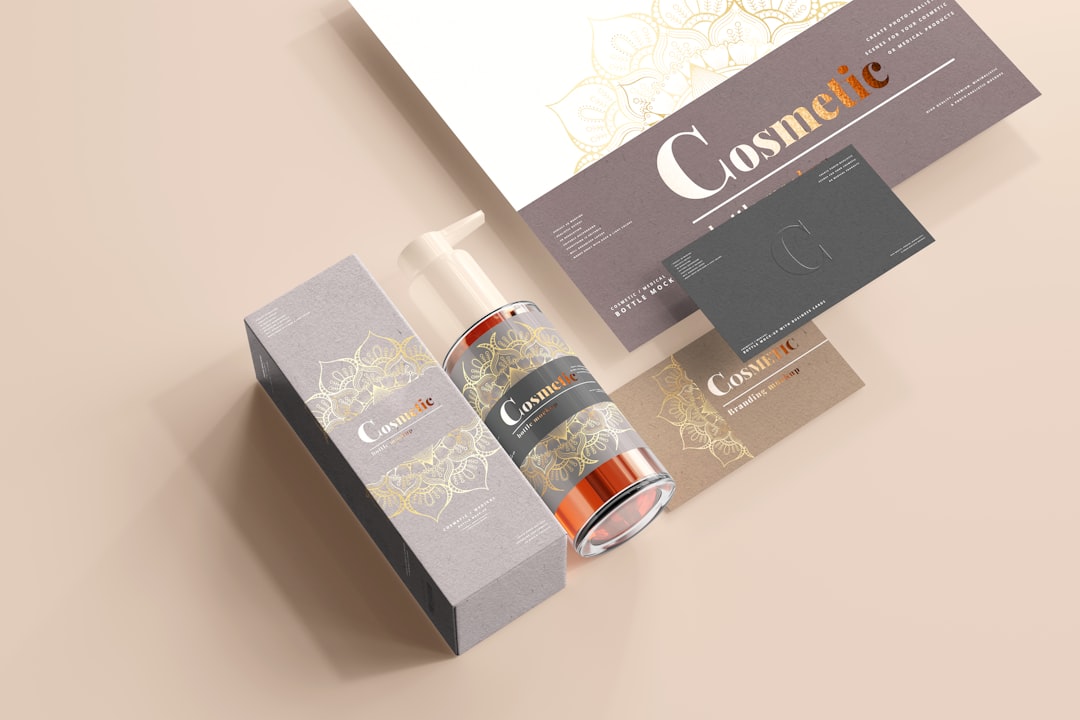
- Amenity and retail bottles — branded toiletries that double as marketing.
- Robes, towels and slippers — embroidered or printed marks in the experience itself.
- Booking confirmations and digital touchpoints — the brand before arrival and after departure.
Specify finishes deliberately: soft-touch menus, a single foil or blind deboss on gift cards, and uncoated, tactile stocks all reinforce the premium-calm feeling. For the production thinking behind printed and packaged pieces, our packaging design process guide applies directly to amenity bottles and gift packaging.
Retail and Product Extensions
Many spas sell branded or white-label products at reception, which pulls them into product packaging territory. Amenity and retail bottles need the same care as any beauty pack — waterproof, oil-resistant labels, legible small print, and required information. If your spa is launching a retail line, our guides to skincare packaging design and product label design cover the specifics, including ingredient lists, net weight, batch codes and the PAO symbol — requirements that vary by region and should be verified with an official source.
Building a Consistent System
Because a spa brand touches so many surfaces, documentation is essential. A short brand guideline covering logo usage, the colour palette in Pantone/CMYK, the type system, photography rules and finish preferences keeps the brand coherent as it grows across signage, print, products and digital. For the identity theory underneath all of this, see our visual identity design overview.
Naming and Verbal Identity
A spa lives by its name and the language around it as much as its visuals. Names tend toward the calming, the natural or the place-rooted — words evoking water, light, retreat, or a local landmark. Once the name is set, define a treatment-naming convention that is evocative but still clear: customers should be able to tell what they are booking, so a poetic name usually needs a plain-language descriptor beside it. The tone of voice across the menu, website and confirmation messages should be unhurried, warm and reassuring — the verbal equivalent of the soft palette. Stressful, salesy or jargon-heavy copy breaks the spell as quickly as the wrong typeface.
Translating Calm Into a Physical Space
Unlike a product brand, a spa brand has to work in three dimensions, in real light, with real materials. The palette and type that look right on screen must be tested as signage, engraving and printed collateral in the actual environment. Consider how the logo looks etched on glass, embossed on a leather menu, or lit at reception. Material choices — linen, stone, warm wood, uncoated paper — become part of the brand, so coordinate finishes across the space, the printed pieces and the amenity bottles. The goal is that a guest who never consciously notices the branding still feels its consistency the moment they walk in.
Common Mistakes
The frequent failures: over-saturated colour that fights the calm; novelty or stressful typography; a logo that does not survive engraving or single-colour signage; inconsistent execution across the many physical touchpoints; and treating the website as the brand while neglecting the in-room experience that customers actually pay for.
Frequently Asked Questions
What makes good spa branding?
Good spa branding creates a consistent feeling of calm and trust across every touchpoint — logo, colour, type, signage, collateral and the physical space. It uses soft low-saturation palettes, refined typography and tactile finishes, and stays coherent from the website through to the treatment room, since spas are sold through experience over time.
What colours work best for spa branding?
Soft, low-saturation, warm-neutral colours work best: off-whites, sage and eucalyptus greens, clay and terracotta, warm greys, muted blush and deep calming blues. These reinforce the relaxation a spa is selling. High-saturation, high-energy colours work against the calm and should generally be avoided.
What typography suits a wellness brand?
A refined serif for the name and headlines reads luxurious and tranquil, paired with a clean, well-spaced sans for menus and body text. Generous line spacing and tracking reinforce an unhurried feel. Avoid busy or novelty faces, which read as stressful and undercut the brand’s calming intent.
What collateral does a spa brand need?
Beyond the logo, a spa typically needs signage and wayfinding, treatment menus and price lists, gift cards, amenity and retail bottles, branded robes and towels, and digital booking touchpoints. Each should feel on-brand, with deliberate finishes like soft-touch stocks, foil or blind deboss on premium pieces.
Does a spa need product packaging design too?
Often yes. Many spas sell branded or white-label retail products and use amenity bottles, which require proper packaging and labelling — waterproof, oil-resistant labels, legible small print, and required information such as ingredients, net weight, batch code and the PAO symbol. Verify the exact regulatory requirements for your region.