What Font Does Coca-Cola Use?
The Coca-Cola font is one of the most asked-about in branding, and the answer surprises people: there isn’t one. The famous flowing wordmark is custom hand-lettering, not a typeface you can install. This article explains what the logo really is, what Coca-Cola uses for the rest of its branding, and which free or licensable fonts get you closest.
It’s a perfect example of a heritage brand that leans on hand-lettering rather than a digital font — a contrast to the geometric sans typefaces used by modern tech brands. For the wider pattern, see our pillar on famous brand fonts and what the big logos use.
What font is the Coca-Cola logo?
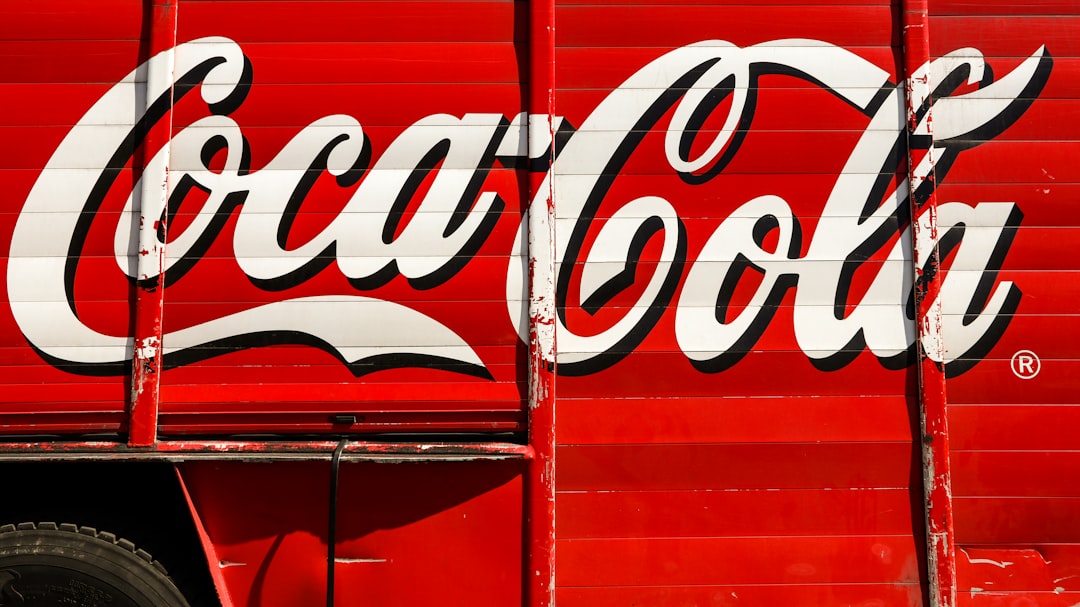
The Coca-Cola logo is hand-lettered Spencerian script. Spencerian was the dominant formal handwriting style taught in American schools and used in business correspondence in the second half of the 1800s, characterized by graceful, slanted, connected strokes with elegant flourishes. The wordmark is attributed to Frank Mason Robinson, the bookkeeper who named the drink in the brand’s early days.
Because the logo was drawn by hand, there is no single “Coca-Cola font” file behind it. The shapes have been refined over the decades, but they remain custom lettering — which is exactly why competitors can’t reproduce them.
What font does Coca-Cola use for regular text?
Beyond the script logo, Coca-Cola needs a workhorse typeface for packaging, advertising, and digital. For that, the company uses a custom sans-serif called TCCC Unity (TCCC stands for The Coca-Cola Company). It’s a clean, friendly sans designed to unify the brand’s text across markets. Like most bespoke brand fonts, TCCC Unity is proprietary and not available to the public.
Can you download the Coca-Cola font?
Not the real thing. The logo is hand-lettered, so there’s nothing to download, and TCCC Unity is proprietary. What you’ll find online are fan-made fonts that imitate the wordmark — useful for personal mockups, but they are clones, not the official lettering, and you should never use them to reproduce the actual Coca-Cola logo for commercial purposes.
Imitating the wordmark to suggest an association with Coca-Cola is a trademark issue, separate from any font license. If you’re doing commercial work, read our font licensing guide first so you understand what each font’s license does and doesn’t allow.
What’s a free Coca-Cola font alternative?
To get the look of the script for a personal project or a vintage-soda aesthetic, these are the closest options:
- Loki Cola (free) — a fan-made font built specifically to mimic the Coca-Cola wordmark, including the connected loops. Best for hobby mockups, not commercial logos.
- Allura (free) — a refined, professional formal script available on Google Fonts. Less of a direct clone, but a clean, licensable way to get the elegant Spencerian feel.
- Great Vibes (free) — another flowing connected script on Google Fonts, good for headings and labels.
If you want a vintage soda-fountain feel more broadly, our roundup of best fonts for logos and a strong script-plus-sans combination from the font pairing guide will get you a balanced, original identity.
Spencerian script vs. the free alternatives
| Font | Style | Best use | Cost | Where to get it |
|---|---|---|---|---|
| Spencerian script (Coca-Cola logo) | Hand-lettered formal script | The actual logo | Bespoke — not a font | Not available |
| TCCC Unity | Custom sans-serif | Coca-Cola brand text | Proprietary | Not licensable |
| Loki Cola | Script (logo clone) | Personal mockups | Free | Free-font sites (personal use) |
| Allura | Formal script | Elegant licensable script | Free | Google Fonts |
What makes the Coca-Cola lettering distinctive?
The wordmark’s character comes from a few hallmarks of Spencerian script. The strokes are slanted and continuously connected, with a consistent rhythm of thick downstrokes and thin upstrokes that mimics a pointed pen under pressure. The capital “C” forms sweep into long, decorative flourishes — one of which became the famous “fishtail” tail that loops beneath the rest of the word. These ornamental swashes are what no plain font can replicate without looking generic.
Over the decades the lettering has been refined and standardized, but it has never become a typeface in the technical sense — it remains a fixed piece of artwork. That permanence is part of its value: the wordmark you see today is recognizably the same one from more than a century ago, which is an enormous brand asset.
How to get the Coca-Cola look on a budget
If you want a vintage-soda or classic-Americana feel for a personal project, here’s a practical, legal approach:
- Choose a licensable script. Use Allura or Great Vibes from Google Fonts rather than a logo-clone font. They give you the flowing, connected Spencerian feel without copying the wordmark.
- Add your own flourish. Extend one swash by hand (in a vector editor) to create a custom signature-style mark that’s yours, not Coca-Cola’s.
- Pair the script with a clean sans for supporting text — scripts are hard to read in body copy. Our font pairing guide covers script-plus-sans combinations.
- Lean on color and shape. The classic red, the white script, and the curved bottle silhouette do as much branding work as the lettering itself.
This gets you a warm, heritage look that’s entirely original and safe to use commercially — far better than risking the trademark and licensing issues of imitating the actual wordmark.
Why does Coca-Cola use a script instead of a font?
The script dates to the 1880s, when ornate penmanship signaled trust and quality. Keeping the hand-lettered mark gives Coca-Cola something no competitor can copy and a continuity stretching back more than a century. It’s the opposite strategy to tech brands like Spotify and Netflix, which commission modern geometric sans typefaces — both approaches achieve the same goal of an ownable, unmistakable identity.
Frequently Asked Questions
What font does the Coca-Cola logo use?
The Coca-Cola logo does not use a font — it is hand-lettered Spencerian script, a flowing formal handwriting style from 1880s America, attributed to bookkeeper Frank Mason Robinson. Because it was drawn by hand, there is no official Coca-Cola font file. The brand uses a custom sans called TCCC Unity for regular text.
Is there a free Coca-Cola font?
There is no official free Coca-Cola font, but fan-made clones exist. Loki Cola is the closest free imitation of the wordmark for personal mockups, while Allura and Great Vibes are licensable Google Fonts scripts that capture the elegant Spencerian feel without copying the actual logo.
What is Spencerian script?
Spencerian script is a formal cursive handwriting style developed by Platt Rogers Spencer and widely taught in the United States from roughly the 1850s to the early 1900s. It features graceful, slanted, connected strokes with decorative flourishes, and it inspired the hand-lettered Coca-Cola wordmark.
Can I use the Coca-Cola font for my business?
No. The logo is hand-lettered and the brand’s TCCC Unity font is proprietary, and imitating the wordmark can be trademark infringement. For a similar vintage script look on your own original logo, use a licensable font such as Allura or Great Vibes and design your own distinct wordmark.
What font does Coca-Cola use besides the logo?
For packaging, advertising, and digital text, Coca-Cola uses a custom sans-serif called TCCC Unity, designed to keep the brand’s text consistent across global markets. Like most bespoke brand typefaces, TCCC Unity is proprietary and is not available to download or license.


