Best Fonts for Newspapers
Choosing the best fonts for newspapers is about doing more with less: faces that stay crisp and legible at tiny sizes, in narrow columns, on cheap paper, while saving every bit of horizontal space. That points toward sturdy text serifs with large x-heights, low ink spread, and economical widths. This guide names the typefaces newsrooms actually set in, notes free versus paid and where to get them, and explains why each survives the press.
If you are pairing a headline face with body text, our font pairing guide covers the balance. For the broader topic see our deep dive on newspaper fonts, and for adjacent editorial work our roundup of the best fonts for magazines.
What makes a good font for newspapers?
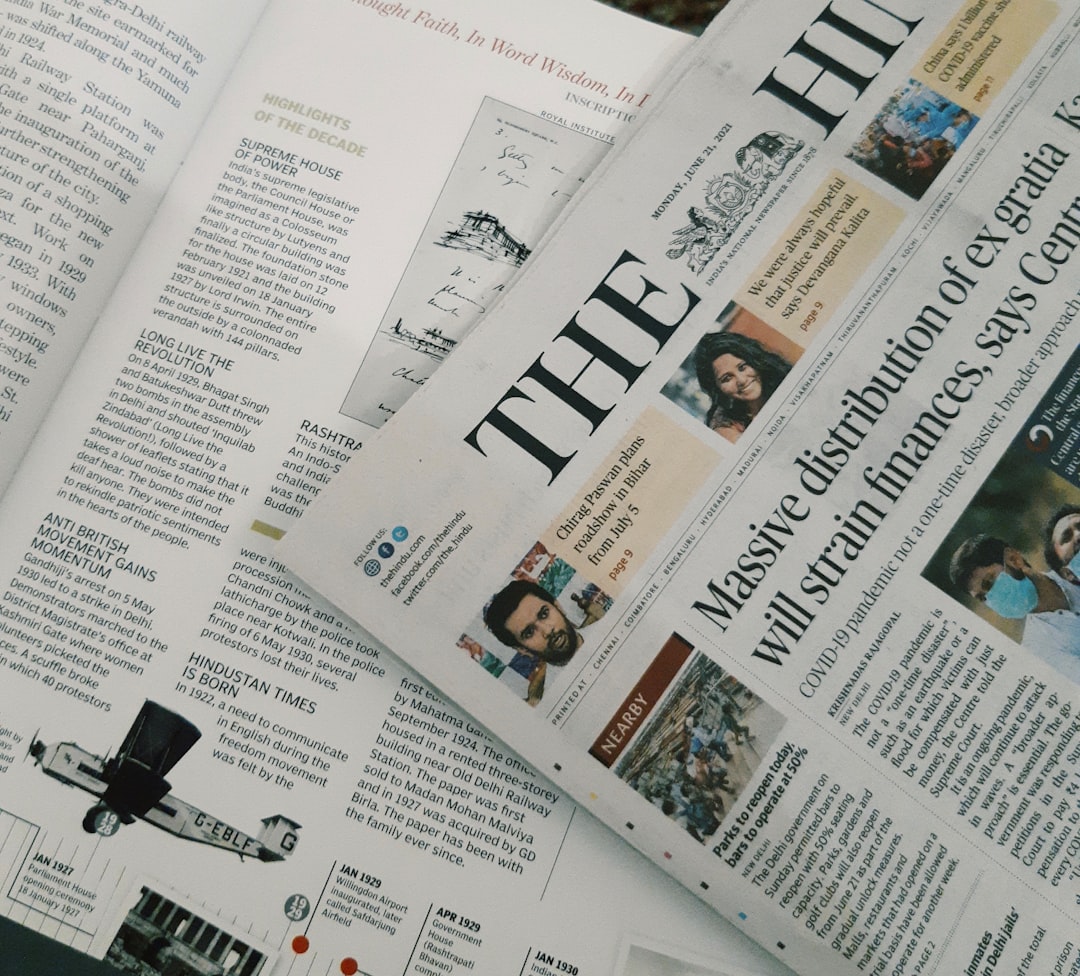
Newspaper text faces face brutal constraints: small sizes (often 8–9pt), narrow columns, fast presses, and absorbent newsprint that spreads ink and fills counters. A good newspaper serif answers with a large x-height for legibility, sturdy strokes and bracketed serifs that survive ink gain, open counters that resist fill-in, and an economical width that fits more words per line. Headline faces are a separate problem — bold, condensed display serifs or grotesques that pack big type into a tight column inch. The best newspapers run a coordinated family with text, headline, and agate (small data) cuts so everything from front-page headline to stock tables shares one voice.
Best newspaper fonts
Georgia (free, system font)
Georgia was designed by Matthew Carter for screen reading and is exceptionally sturdy at small sizes, making it a top free choice for digital and small-run print papers. Its large x-height and robust serifs resist fill-in. Free and pre-installed on nearly every device.
PT Serif (free)
PT Serif is a transitional serif built for comfortable body text with strong multilingual (including Cyrillic) coverage — a dependable, free newspaper body face. It pairs with PT Sans for decks and captions. Free on Google Fonts (OFL).
Miller (paid)
Miller by Font Bureau is a Scotch-style serif and one of the great modern newspaper families, used by major dailies for both text and headlines. Its text, display, and headline cuts cover the whole paper. Paid via Font Bureau.
Cheltenham (paid)
Cheltenham is a sturdy old-style serif long associated with newspaper headlines (famously a New York Times display face). Its even color and bold cuts read clearly in big sizes. Paid (ITC Cheltenham).
Nimrod (paid)
Nimrod by Robin Nicholas was engineered specifically for newspaper text — robust, economical, and tolerant of poor printing. It long set the body of many British broadsheets. Paid via Monotype.
Source Serif 4 (free)
Source Serif 4 is Adobe’s open-source serif with optical sizes and broad language support, a genuinely professional free option for newspaper body and online news. Free under the OFL.
Noto Serif (free)
Noto Serif is Google’s universal serif with the widest language coverage available — essential for multilingual papers and global news sites. Clean, legible, and free on Google Fonts (OFL).
Tiempos Text (paid)
Tiempos Text by Klim is a contemporary news serif designed for screen and print body copy, increasingly common on modern news websites. Readable, economical, with a matching headline cut. Paid.
Bitter (free)
Bitter is a slab serif tuned for screen reading with a tall x-height and sturdy stems — a solid free choice for online news body text and decks. Free on Google Fonts (OFL).
Merriweather (free)
Merriweather was drawn to be pleasant on screen, with a large x-height and slightly condensed letters that pack words efficiently — well suited to digital news body copy and long-form features. Free on Google Fonts (OFL).
Oswald (free, for headlines)
Oswald is a condensed grotesque that revives the classic newspaper headline gothic, fitting bold display words into a tight column inch. A free option when you want a sans headline against a serif body. Free on Google Fonts (OFL).
| Font | Style | Free/Paid | Why it works |
|---|---|---|---|
| Georgia | Screen serif | Free | Sturdy and legible when small |
| PT Serif | Transitional serif | Free | Comfortable, multilingual body |
| Miller | Scotch serif | Paid | Full text + headline news family |
| Cheltenham | Old-style serif | Paid | Classic newspaper headline face |
| Nimrod | News text serif | Paid | Economical, tolerant of poor print |
| Source Serif 4 | Transitional serif | Free | Optical sizes, free, pro-grade |
| Noto Serif | Universal serif | Free | Widest language coverage |
| Bitter | Slab serif | Free | Strong for online news body |
Fonts to avoid for newspapers
Avoid high-contrast Didone faces like Bodoni and Didot for body text — their hairlines vanish at 8pt and break up under ink gain on newsprint. Skip geometric sans like Futura for running text; the low x-height and uniform circles slow column reading. Steer clear of Arial and Times New Roman as the modern crutch fonts — Times was drawn for narrow columns but reads as cramped and dated, and Arial flattens hierarchy. Never set agate data or body copy in a script or condensed display face.
Tips and pairing for newspapers
Set body text at 8.5–9.5pt with just enough leading to open the lines (around 110–120%), in columns sized for 35–45 characters — narrower than books because of the grid. Pair an economical text serif (PT Serif, Nimrod, Miller Text) with a bolder, condensed headline serif or grotesque from the same family for a unified voice. Use a sans for decks, bylines, and captions to add contrast. For online news, lean on Georgia, Source Serif 4, or Noto Serif for reliable rendering, and serve a slightly larger base size (18–19px) than print since screen reading favors bigger type. Use true small caps for kickers and section labels, old-style figures in running text, and lining figures in tables and agate data. A condensed grotesque like Oswald or a bold cut of your headline serif handles decks and standfirsts without adding a third family. More serif options live in our best serif fonts guide; confirm any commercial print terms in our font licensing guide.
Frequently Asked Questions
What font do newspapers use?
Newspapers use economical text serifs for body copy and bold display serifs or grotesques for headlines. Common professional families include Miller, Cheltenham, Nimrod, and Times-derived faces; online news often uses Georgia, Tiempos, or Source Serif 4. The shared trait is legibility at small sizes in narrow columns.
What is the best free font for a newspaper?
Georgia and PT Serif are the best free newspaper body faces — both sturdy and legible at small sizes. Source Serif 4 adds optical sizes, and Noto Serif covers the most languages for multilingual papers. All are free, with Georgia pre-installed and the others on Google Fonts under the Open Font License.
Why do newspapers use serif fonts?
Serif fonts read more comfortably at the small sizes and narrow columns newspapers depend on. Sturdy bracketed serifs survive ink spread on absorbent newsprint, large x-heights keep type legible, and the serifs guide the eye along dense lines. The tradition is also practical: economical serifs fit more words per column inch.
What font size do newspapers use?
Newspaper body text is typically set between 8.5pt and 9.5pt — smaller than books because of multi-column layouts and the need to fit more copy per page. Headlines scale up dramatically, often in a bolder or condensed cut of the same family, while agate data like scores and listings drops to 6–7pt.
Is Times New Roman a newspaper font?
It descends from one. Times New Roman is based on Times, designed for The Times of London’s narrow columns in 1932. The original Times faces are genuine newspaper fonts, but the modern Times New Roman reads as a cramped default. Today’s papers more often use dedicated news families like Miller or Nimrod.