Rust vs Brown: What’s the Difference?
Rust and brown are close cousins in the earth-tone family, separated mainly by how much red-orange they carry. Rust is a warm, reddish-orange brown named after oxidized iron — it glows with orange warmth. Brown is the deeper, more neutral parent color, built from a darkened orange with less red intensity. The rust vs brown distinction is about undertone and warmth: rust pushes toward red-orange, while brown stays more balanced and dark.
What is rust?
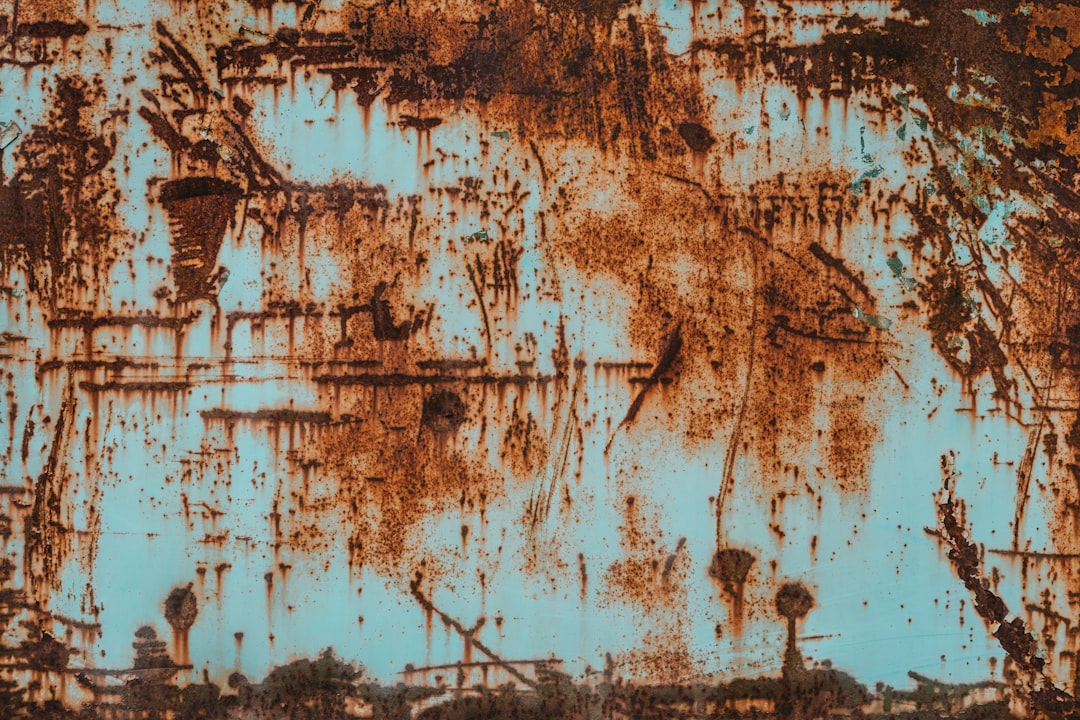
Rust is a warm, reddish-orange brown named after the color of oxidized iron. A representative value is #B7410E. Its strong orange-red lean gives it a cozy, earthy, vintage character — rust reads as warmer and more saturated than a plain brown. It’s a signature autumn color and a favorite in bohemian, ceramic, and heritage palettes that want depth with a glow of orange warmth.
Rust sits between brown and orange, and the boundaries are subtle. For those neighbors, see rust versus orange and terracotta versus rust. To understand the grounded symbolism rust shares with its parent, visit our brown color meaning page.
What is brown?
Brown is a dark, warm earth color — essentially a low-value, low-saturation orange. A representative value is #964B00. Brown is grounded, stable, and natural, evoking wood, soil, coffee, and leather. It ranges widely from reddish chestnut to cool taupe, but its core identity is depth and warmth without rust’s vivid orange glow. Browse named variations in shades of brown.
What’s the difference between rust and brown?
The difference is undertone and saturation. Rust is a warm, reddish-orange brown with visible orange glow; brown is a deeper, more neutral earth tone. Both share the same orange root, but rust keeps more red-orange intensity while brown reads darker and more balanced. Here’s the side-by-side with representative values, since both names cover a range.
| Property | Rust | Brown |
|---|---|---|
| Hex code | #B7410E | #964B00 |
| RGB | 183, 65, 14 | 150, 75, 0 |
| CMYK | 0, 64, 92, 28 | 0, 50, 100, 41 |
| Undertone | Warm red-orange | Warm orange (more neutral) |
| Hue family | Reddish-orange brown | Deep brown (earth tone) |
| Best used for | Autumn accents, bohemian palettes, warm highlights | Grounding anchors, rich earthy branding |
| Mood/feel | Cozy, vibrant, earthy, vintage | Grounded, warm, stable, premium |
Is rust a type of brown?
Largely yes. Rust belongs to the brown family but carries far more red-orange, so it’s best described as a warm, reddish-orange brown rather than a plain one. The extra orange intensity is what makes rust glow where a neutral brown sits flat and dark. That added warmth also gives rust more personality and energy than brown’s quiet stability — rust feels vivid and seasonal, while brown feels solid and timeless. The way undertone shifts a color’s emotional read, even within one family, is a recurring idea in our color psychology guide.
When should you use each?
Use rust when you want warmth and earthy vibrancy. Its orange-red glow makes it ideal for autumn palettes, bohemian and artisan branding, ceramics, and accents that should feel cozy and alive. Rust adds warmth and character where a plain brown would feel too reserved.
Use brown when you want grounding, richness, and a premium earthy feel. Its depth makes it ideal for anchor colors, type on light backgrounds, and branding in coffee, leather, and heritage categories. Brown delivers stability and warmth without rust’s seasonal vividness.
A simple way to choose: if you want the color to feel warm, glowing, and energetic, pick rust; if you want it to anchor and stabilize, pick brown. Because they share an orange root, they pair naturally — brown for the deep structure and rust for the warm highlight gives a palette both gravity and glow.
How do rust and brown work in design?
In branding, brown signals craftsmanship, reliability, and natural quality for coffee, chocolate, and leather brands, while rust adds warmth and artisan character popular in ceramics, wellness, and modern bohemian identities. In web and UI design, brown works as an earthy background or heading color, and rust makes a vibrant accent that warms a neutral palette. In interiors and fashion, the two are a classic autumn pairing — brown for the deep anchor, rust for the glowing accent, often with cream and olive. For a closely related comparison from this batch, see terracotta versus brown, and for the temperature framework see warm vs cool colors.
The consistent thread is that brown supplies gravity and rust supplies warm vibrancy. Whether you’re designing packaging, a site, or a room, leaning on brown for the elements that should feel substantial and rust for the elements that should glow keeps an earthy palette from reading either too flat or too busy.
How can you tell rust from brown at a glance?
The quickest test is to look for the orange glow. Set the two side by side: rust visibly shimmers with red-orange warmth, almost like a banked ember, while neutral brown sits darker and flatter with no obvious orange cast. A second test is saturation — rust is more saturated, so it reads as more “colorful,” whereas brown reads as a deep neutral. If a swatch makes you think of autumn leaves, terracotta pots, or weathered metal, it’s rust; if it makes you think of wood, coffee, or chocolate, it’s brown. In practice, the cleanest signal is the red component: rust carries far more red relative to its darkness, which is what tips it from a quiet earth tone into a warm, glowing one.
Frequently Asked Questions
What is the hex code for rust versus brown?
A representative rust is #B7410E, a warm reddish-orange brown. A representative brown is #964B00, a deeper, more neutral earth tone. Both trace to the same orange root, but those values capture the core contrast: rust glows with red-orange, while brown stays darker and more balanced.
Is rust just orange-brown?
Essentially yes. Rust is a brown with a strong red-orange lean, so orange-brown is a fair description. The extra orange intensity, inherited from oxidized iron, is what makes rust glow and reads warmer than a plain brown, giving it its distinctive cozy, vintage character.
Can rust and brown be used together?
Definitely. They form a natural monochromatic pairing because they share the same orange root. Use brown as the deep anchor and rust as the warm accent, then add cream and a muted green or olive to round out a classic earthy, autumnal palette.
What undertone does rust have?
Rust has a warm red-orange undertone, derived from the color of oxidized iron. That red-leaning warmth is what separates rust from a neutral brown and from a pure orange — it sits between the two, glowing more than brown but grounded more than orange.
Which is warmer, rust or brown?
Rust is warmer. Its stronger red-orange content gives it a glowing warmth that a more neutral brown lacks. Brown is still a warm color, but its higher proportion of darkness and lower saturation make it read as deeper and quieter than rust’s vibrant heat.