Perfume Packaging Design: Luxury Cues
Perfume packaging sells something the customer cannot see, smell through the glass, or try before buying online — which means the bottle and box have to carry the entire promise of the scent. Fragrance is the most theatrical corner of beauty design, where weight, negative space, foil and a bespoke bottle do the persuading. This guide breaks down the luxury cues that make perfume packaging feel worth its price.
Perfume is the high-luxury end of beauty. For the strategy that sits underneath it, start with our pillar guide to beauty brand design, then use this article for the fragrance-specific craft.
What “Luxury” Means in Fragrance
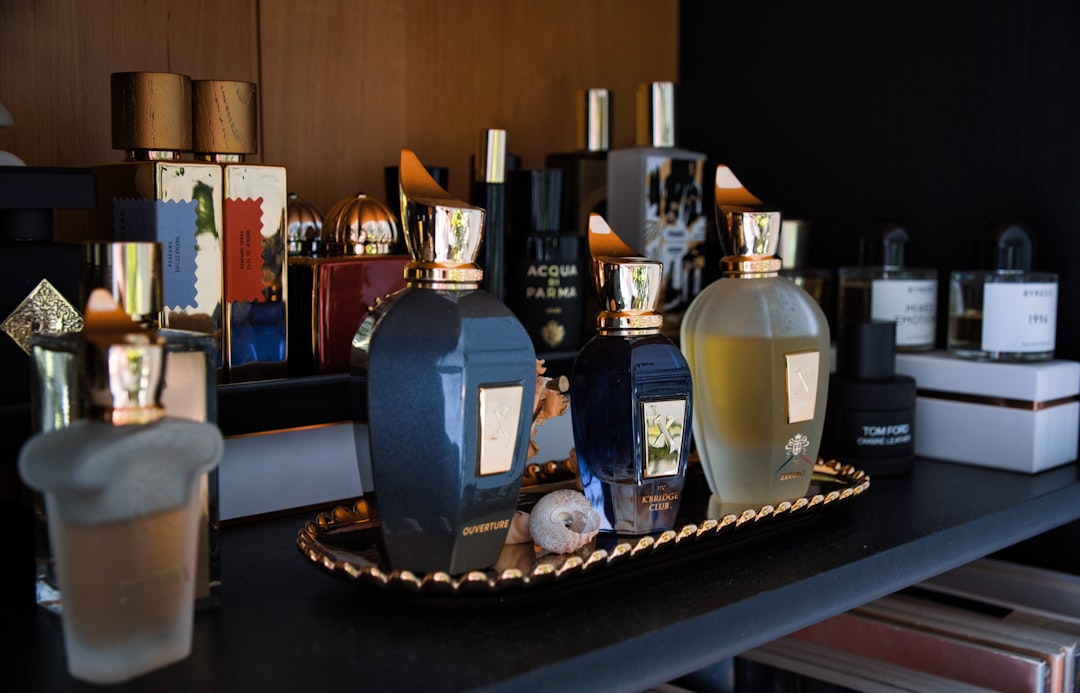
Luxury in perfume is communicated through restraint and quality, not through more graphics. The recurring cues are remarkably consistent across prestige houses:
- Weight — a heavy bottle and a substantial cap feel expensive in the hand. Thick glass and weighted bases are deliberate.
- Negative space — confident emptiness around a small wordmark signals a brand with nothing to prove.
- Bespoke bottle form — a custom, recognisable silhouette is the single strongest luxury asset a fragrance can own.
- Metallic and foil detail — gold or silver foil, metallised caps and collars add jewellery-like richness.
- Tactile finishes — soft-touch board, embossing and debossing reward the unboxing.
The discipline is to use these sparingly. A bottle that is heavy, simple and beautifully finished beats one covered in ornament. Negative space is doing work, not wasting space.
The Bottle Is the Brand
In most beauty categories the wordmark is the primary asset. In fragrance, the bottle silhouette often is — think of how many iconic perfumes are recognisable as a shape alone. A bespoke bottle requires custom mould tooling, which is expensive and slow, so it is usually reserved for flagship launches; stock bottles with custom decoration are the pragmatic route for smaller brands.
Whichever path you take, design the bottle, cap, collar and box as one coordinated object. The cap material and weight, the colour of the juice, the label or screen-printed wordmark, and the carton all have to agree. A premium bottle with a flimsy plastic cap breaks the spell instantly.
Glass, Caps and Substrates
Glass is effectively non-negotiable for prestige fragrance: it feels premium, is inert and protects the juice, and its weight and clarity are central to the luxury experience. Decoration options on glass include screen printing, frosting/etching, metallised spray coating, and applied foil or metal collars.
Caps range from weighted plastic and metal to wood and composite materials; weight and finish here carry a lot of perceived value. The secondary carton is usually a rigid or coated board built for a slow, deliberate opening — the unboxing is part of the product.
Finishes for the Carton
The box is the first thing the customer touches, so it earns serious finishing. The fragrance toolkit:
| Finish | Effect | Typical use |
|---|---|---|
| Foil stamping | Metallic luxury, jewellery-like | Wordmark, borders, accents |
| Embossing / debossing | Tactile, blind-luxury detail | Logo, monogram, patterns |
| Soft-touch lamination | Velvety, premium hand-feel | Whole carton surface |
| Spot UV | Glossy contrast on matte | Single highlighted element |
As with the bottle, restraint wins. A soft-touch carton with a single foil-stamped wordmark and a blind deboss reads more expensive than a box using every effect available.
Typography and Layout
Fragrance is where elegant high-contrast serifs — Didot- and Bodoni-style faces with dramatic thick-to-thin strokes — earn their place. They carry heritage, refinement and a couture feel that a neutral sans cannot. Pair a refined display serif for the name with a quiet, well-spaced sans or small serif for the few supporting words. For pairing logic, see our font pairing guide.
Set type with generous tracking and plenty of surrounding space. In fragrance, crowded type is the fastest way to look cheap.
Sustainability in Luxury Fragrance
Prestige and sustainability can coexist, and increasingly must. Refillable bottles — a keep-forever flacon with a screw- or magnetic-fit refill — fit luxury values well, since durability is itself a premium idea. Reducing unnecessary secondary packaging, using recycled-content glass, and choosing recyclable mono-material cartons are all credible moves. Avoid plastic shrink-wrap and excess inserts where you can, and substantiate any environmental claim you print.
Labels and Compliance
Fragrance still carries legal obligations despite the luxury framing. Labels or printed information commonly must include the ingredient list (fragrance allergens are specifically regulated in some regions), net volume, batch code, responsible-person details, flammability and usage warnings, and often the PAO (period after opening) symbol. Alcohol-based fragrances have additional transport and flammability labelling considerations. Requirements vary significantly by region, so verify current rules with an official source for each market. The layout mechanics live in our product label design guide, and the wider production flow in our packaging design process article.
Selling a Scent You Cannot Smell
The central design problem of fragrance is that the customer often cannot experience the product before buying — especially online. So the packaging has to translate an abstract scent into something visual and tactile. This is why fragrance leans on storytelling and mood more than any other beauty category: the bottle shape, the colour of the juice, the carton imagery and the name together suggest “fresh and aquatic”, “warm and oriental”, or “clean and powdery” before a single note is smelled. Decide the emotional territory of the scent first, then let every packaging choice reinforce it. A heavy, dark, foil-detailed flacon promises a very different experience to a light, frosted, minimal one — and the packaging is making that promise on the scent’s behalf.
The Carton and Unboxing Ritual
Fragrance unboxing is deliberately slow and ceremonial. The rigid carton, the snug fit, the tissue or foam cradle, and the weight of the bottle as it is lifted out are all part of the perceived value. Design the box as a sequence: a clean, restrained exterior with a single foil or blind-deboss wordmark; a considered interior reveal; and a secure, premium-feeling cradle for the bottle. Avoid loose plastic and excess inserts — they break the luxury spell and work against sustainability expectations. For prestige gift sets, coordinate the bottle, any travel atomiser, and the outer box as one designed family rather than separately decorated pieces.
Where This Sits in the Cluster
Perfume is the luxury, fantasy-led end of beauty packaging. For the broad field of makeup, tubes and compacts, see cosmetic packaging design; for the clean, clinical end, see skincare packaging design.
Frequently Asked Questions
What makes perfume packaging look luxurious?
Weight, restraint and quality finishing. A heavy glass bottle, a substantial cap, generous negative space, a bespoke silhouette, and selective foil or embossing all signal luxury. Crucially, prestige fragrance achieves this through restraint — simplicity and tactile quality read as expensive far more than added ornament.
Why are perfume bottles so heavy?
Weight is a deliberate luxury cue. Thick glass and weighted bases make the bottle feel substantial and expensive in the hand, reinforcing the premium price. Since customers cannot smell the scent through the glass, the physical experience of holding the bottle carries much of the perceived value.
Do I need a custom bottle for a perfume brand?
Not necessarily. A bespoke bottle requires custom mould tooling — expensive and slow — so it is usually reserved for flagship launches. Smaller brands often use stock glass bottles with custom decoration like screen printing, frosting, metallised coating and a distinctive cap, which can still feel premium.
What typography suits fragrance packaging?
Elegant high-contrast serifs in the Didot or Bodoni style suit fragrance, carrying heritage and couture refinement. Pair a refined display serif for the name with a quiet sans or small serif for supporting words, set with generous tracking and surrounding space. Crowded type undermines the luxury feel quickly.
What does perfume packaging legally need to show?
Commonly the ingredient list with regulated fragrance allergens, net volume, batch code, responsible-person details, flammability and usage warnings, and often the PAO symbol. Alcohol-based fragrances may carry extra transport labelling. Rules differ by region, so verify current requirements with an official source for each market.