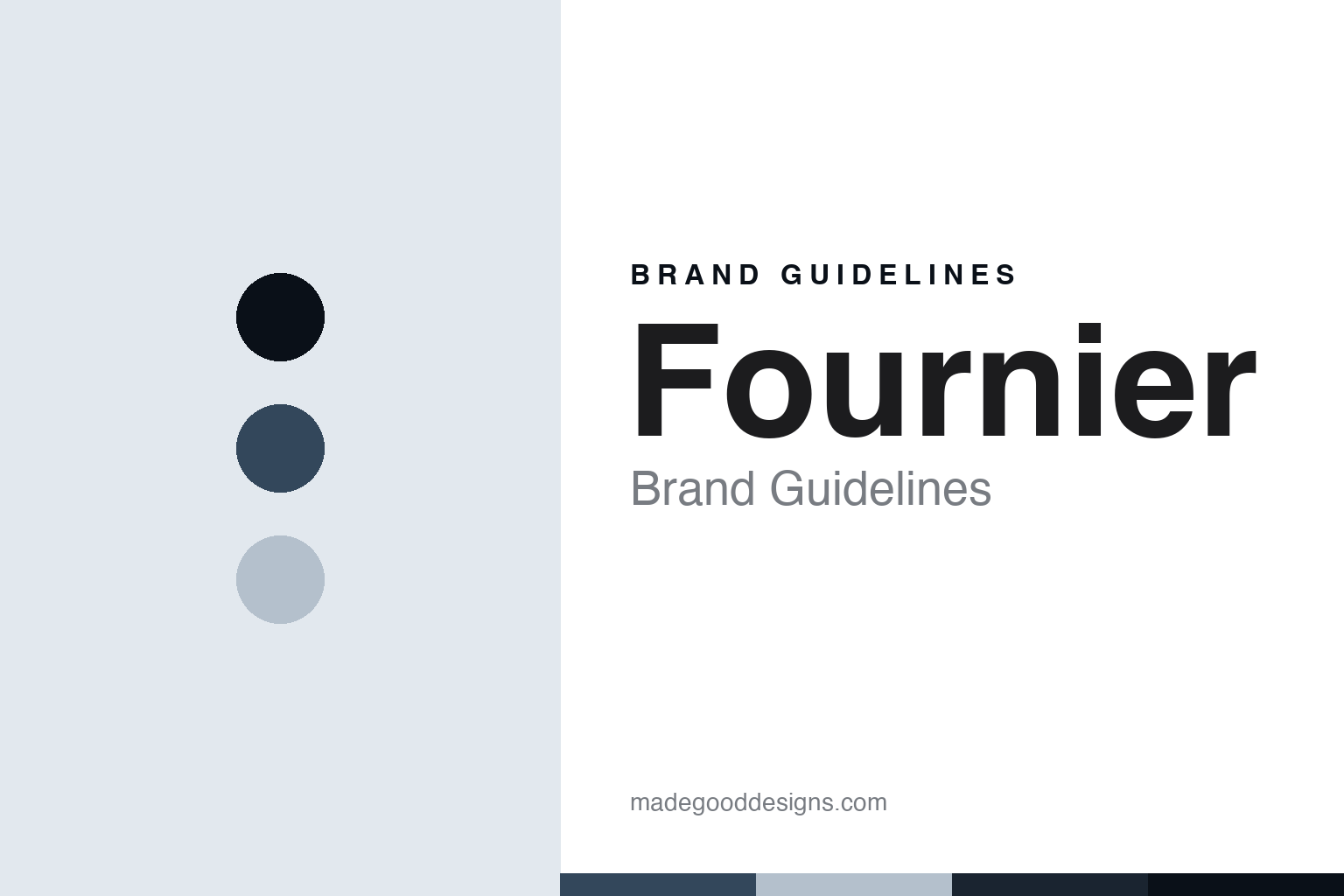
Fournier Brand Guidelines
The Spanish deck inside the same Belgian group.
Aa
Two constants: a Fournier-graphite palette and a baraja-sans register. Abstract homage — not a Fournier product or mark; no card, court or logo is reproduced.
The Spanish deck inside the same Belgian group
Fournier is the Vitoria maker of the baraja española (founder Heraclio Fournier, cards from 1870) that USPCC bought in 1986 and that passed with USPCC to Belgium’s Cartamundi in 2019.
Fournier follows Copag as the round’s third national-facade node — a proudly-Spanish deck that, through a longer route, ends up under the same Belgian parent. Its answer to a round about who owns the deck is the third country: a Spanish name, the same Belgian owner.
Its identity is the Spanish deck inside the same Belgian group. The 1870 origin, the baraja española and the Cartamundi ownership are the story here. Spanish, Belgian-owned. The Spanish deck inside the same Belgian group.
(Honest notes, so the origin, the ownership, the products and hedges are framed accurately. Fournier sells the Spanish-suited deck as its hero; we report its language as the brand’s own. On origin: Fournier, Naipes Heraclio Fournier, was founded by Heraclio Fournier González, who lived 1849 to 1916, in Vitoria-Gasteiz, and we frame the dates as an 1868 lithography workshop with playing cards beginning in 1870, with his grandson Félix Alfaro Fournier running it after 1916 and prizes at the 1889 Paris Exposition. On ownership: USPCC bought Fournier in 1986, and Fournier came under the Belgian maker Cartamundi with the USPCC deal in 2019, so the proudly-Spanish brand shares the parent of Bicycle, Bee and Copag. On the products: about 16 million decks a year, the baraja española, the Spanish-suited deck of coins, cups, swords and clubs in 40- or 48-card packs, plus poker, bridge, tarot and licensed children’s decks, and strength in casino cards. On the making: Álava, Spain, at the Goiain business park in Legutiano, its current plant since 1993, near Vitoria-Gasteiz. Its designs and the Fournier name are IP we describe but do not reproduce; there is no official brand hex; these tones are an unofficial interpretation.)
Colour
Fournier lives in a Fournier graphite. Click a swatch to copy the hex.
Fournier’s identity is Spanish, baraja-española and Cartamundi-owned — a Fournier graphite, an ink, a pale steel, a deep slate, and a paper. The palette leans Fournier graphite and deep slate: a classic, considered register that stands in for the Spanish-suited deck rather than a loud logo colour. It signals the Spanish deck inside the same Belgian group — Spanish, baraja-española and Cartamundi-owned. The honest caveat: with no official brand hex, these values are a considered, unofficial interpretation, not first-party colours.
The lesson is a Fournier graphite signals a Spanish, heritage identity. Fournier’s world is the Spanish card table and the casino floor. For designers, it is a reminder that a classic graphite and a pale steel can carry a Spanish, heritage brand — a considered tone held as an accent, not a product shot. Because a dark hue can flatten small text, keep type dark and even and let the colour live in the accents, palette and band. The takeaways: frame the founding as an 1868 workshop and 1870 cards; name the 1986 USPCC purchase and the 2019 Cartamundi step; describe the baraja española; and keep it distinct from unrelated Fournier names.
Typography
The register is a baraja sans — Spanish, baraja-española, Cartamundi-owned.
Fournier’s identity carries a Spanish, heritage spirit — the maker of the Spanish deck. A baraja sans captures the mood: classic, orderly and considered, the register of a heritage card house. Set in a Fournier-graphite palette, the baraja sans feels dependable and storied — exactly the personality Fournier carries. It behaves like a made, engraved thing rather than a loud logo, mirroring a court-dot and a deck-dot. (Fournier’s real products and the name are things we describe but do not reproduce, and the exact typeface is not ours to use.) Because it is not ours to use, the honest description is “a baraja-sans brand,” shown here in a stand-in. The type behaves like the brand: Spanish, baraja-española and Cartamundi-owned.
Aa
A baraja-sans brand — dependable and storied. (Specimen set in Sora, a baraja-sans STAND-IN; NOT the Fournier logo or products.)
The playing-card node
Fournier stands for the Spanish deck inside the same Belgian group.
Fournier sits fourth in the round as its third national-facade node. A Fournier-graphite palette, a baraja sans and an 1870 origin make one thing — the Spanish deck inside the same Belgian group — the whole identity: Spanish, baraja-española and Cartamundi-owned. The 1870 origin is the pitch, the baraja española is the substance, and the Cartamundi ownership is the frame. The point is a third country under one parent, in a round about who owns the deck.
Put to work, the identity is the brand told straight, the chain named and the deck described. A brand in this spirit would frame the founding as an 1868 workshop and 1870 cards, name the 1986 USPCC purchase and the 2019 Cartamundi step, describe the baraja española, and keep it distinct from unrelated Fournier names. A reader in this spirit would keep the facts right: Fournier makes the baraja española; it dates to 1870; USPCC bought it in 1986; and it came under Cartamundi in 2019. Fournier sits after Copag and before Theory11. The honest editorial moves are to frame the founding, to name the chain, to describe the deck, and to keep the name distinct.
For designers and brand-builders, Fournier carries the playing-card node: complete the map — a third national deck, the same Belgian parent. The lessons: a foreign parent can gather brands from several countries, here Cartamundi holding the American Bicycle and Bee, the Brazilian Copag and the Spanish Fournier; a founding is framed honestly, that Heraclio Fournier González, 1849 to 1916, set up an 1868 lithography workshop in Vitoria-Gasteiz and began playing cards in 1870, his grandson Félix Alfaro Fournier running it after 1916, with prizes at the 1889 Paris Exposition; an ownership is named, that USPCC bought Fournier in 1986 and Fournier came under the Belgian maker Cartamundi with the USPCC deal in 2019; a deck is described, about 16 million a year, the baraja española of coins, cups, swords and clubs in 40- or 48-card packs, plus poker, bridge, tarot and licensed children’s decks; and a making is placed in Álava, Spain, at the Goiain business park in Legutiano, its plant since 1993. It is also a reminder to stay precise: Fournier is the Spanish, Cartamundi-owned card house of the aisle — with the palette here an unofficial interpretation, and the aviator Heraclio Alfaro Fournier and the pharma Fournier kept distinct. The hook is that ownership: Fournier is the Spanish deck inside the same Belgian group, the Vitoria maker of the baraja española, founder Heraclio Fournier, cards from 1870, that USPCC bought in 1986 and that passed with USPCC to Belgium’s Cartamundi in 2019. Read that way, Fournier is less a single deck than the Spanish deck inside the same Belgian group: Spanish, baraja-española, Cartamundi-owned. The lesson for a brand is that completing the map — a third national deck, the same Belgian parent — reinforces the honesty, and framing the founding keeps it earned. Fournier made the-Spanish-deck-inside-the-same-Belgian-group the identity — proof that a third national facade can complete a node.
Explore & save
Keep Fournier’s identity on hand — save it to a board in the Made Good inspiration library.
Fournier identity set
Pin the Fournier-graphite palette and the baraja-sans register to your own board.