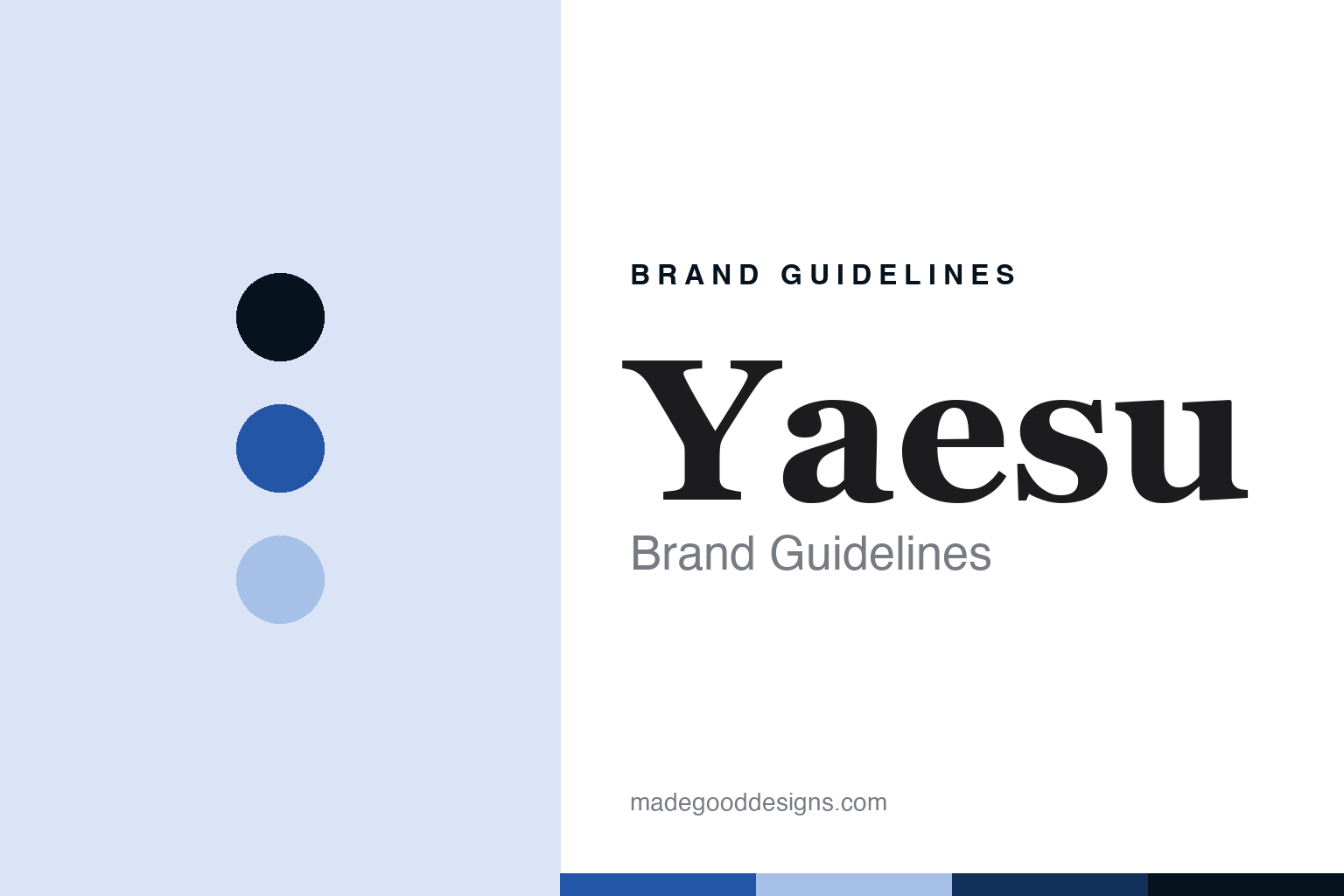
Yaesu Brand Guidelines
The Japanese major that left Motorola.
Aa
Two constants: a Yaesu-blue palette and a heritage-serif register. Abstract homage — not a Yaesu product or mark; no radio, dial or logo is reproduced.
The Japanese major that left Motorola
Yaesu is a 1959 Tokyo transceiver maker that became Vertex Standard, spent four years majority-owned by Motorola — and in 2012 returned to family ownership.
Yaesu opens the amateur-radio round as its heritage-major node — one of the Japanese big names, whose ownership travelled through a commercial merger and a Motorola majority stake before returning to the founder’s family. Its answer to a round about who owns the transceivers is the round-trip one: a heritage maker that left a global conglomerate to be family-owned again.
Its identity is the Japanese major that left Motorola. The 1959 founding, the Vertex Standard and Motorola era, and the 2012 family buyout are the story here. Out and back. The Japanese major that left Motorola.
(Honest notes, so the founding, the ownership history and the products are framed accurately. Yaesu sells amateur transceivers as its heroes — the FTDX101 and FT-710 and the System Fusion digital line; we report its language as the brand’s own. On founding: Yaesu Musen was founded in 1959 by the radio amateur Sako Hasegawa, and the name comes from the Yaesu district of Tokyo. On the ownership history, the key thread: Yaesu Musen acquired the Standard brand and was renamed Vertex Standard in 2000, Motorola took an eighty per cent stake in 2008, and in 2012 the company split, with Motorola keeping the commercial land-mobile business as Vertex Standard while the amateur, marine and air-band business returned to the Yaesu Musen name, wholly owned by the founder’s family. On products: HF, VHF and UHF transceivers, with System Fusion, its C4FM digital voice, introduced in 2013. On the making: Japan, kept high-level. Its designs and the Yaesu name are IP we describe but do not reproduce; there is no official brand hex; these tones are an unofficial interpretation.)
Colour
Yaesu lives in a Yaesu blue. Click a swatch to copy the hex.
Yaesu’s identity is heritage-major, family-owned and Japan-made — a Yaesu blue, an ink, a pale blue, a deep navy, and a paper. The palette leans Yaesu blue and deep navy: a serious, instrument register that nods to a heritage transceiver maker rather than a loud logo colour. It signals the Japanese major that left Motorola — heritage-major, family-owned and Japan-made. The honest caveat: with no official brand hex, these values are an instrument, unofficial interpretation, not first-party colours.
The lesson is a Yaesu blue signals a serious, instrument identity. Yaesu’s world is the ham desk. For designers, it is a reminder that a serious blue and a deep navy can carry a heritage, instrument brand — an instrument tone held as an accent, not a product shot. Because a mid hue can fail as small text, keep type dark and let the colour live in the accents, palette and band. The takeaways: date the founding to 1959 and Sako Hasegawa; trace the Vertex Standard, Motorola and 2012 family-buyout chain; credit System Fusion; and keep the making high-level as Japan.
Typography
The register is a heritage serif — heritage-major, family-owned, Japan-made.
Yaesu’s identity carries a heritage-major, family-owned spirit — a big name back in family hands. A heritage serif captures the mood: classic, established and instrument-like, the register of a long-running transceiver maker. Set in a Yaesu-blue palette, the heritage serif feels serious and enduring — exactly the personality Yaesu carries. It behaves like a made, tuned thing rather than a loud logo, mirroring a dial-ring and a band-wave. (Yaesu’s real products and the name are things we describe but do not reproduce, and the exact typeface is not ours to use.) Because it is not ours to use, the honest description is “a heritage-serif brand,” shown here in a stand-in. The type behaves like the brand: heritage-major, family-owned and Japan-made.
Aa
A heritage-serif brand — serious and enduring. (Specimen set in Fraunces, a heritage-serif STAND-IN; NOT the Yaesu logo or products.)
The amateur-radio node
Yaesu stands for the Japanese major that left Motorola.
Yaesu opens the round as its heritage-major node. A Yaesu-blue palette, a heritage serif and a 1959 founding make one thing — the Japanese major that left Motorola — the whole identity: heritage-major, family-owned and Japan-made. The 1959 founding is the pitch, the Motorola era is the twist, and the 2012 family buyout is the resolution. The point is a heritage maker that left a global conglomerate to be family-owned again, the anchor of the round about who owns the transceivers.
Put to work, the identity is the brand told straight and the ownership chain traced. A brand in this spirit would date the founding to 1959 and Sako Hasegawa, trace the Vertex Standard, Motorola and 2012 family-buyout chain, credit System Fusion, and keep the making high-level as Japan. A reader in this spirit would keep the facts right: Yaesu sells the FTDX101 and FT-710 and the System Fusion digital line; it was founded in 1959 by Sako Hasegawa; it became Vertex Standard, was majority-owned by Motorola from 2008, and returned to family ownership as Yaesu Musen in 2012. Yaesu opens the round, before Icom. The honest editorial moves are to date the founding, to trace the ownership chain, to credit the digital mode, and to keep the making high-level.
For designers and brand-builders, Yaesu opens the amateur-radio node: trace an ownership round-trip precisely. The lessons: a brand can leave and return to independence, here Yaesu; a founding is dated to 1959 and the radio amateur Sako Hasegawa, with the name from the Yaesu district of Tokyo; an ownership history is traced precisely, the Standard acquisition and 2000 rename to Vertex Standard, Motorola’s eighty per cent stake from 2008, and the 2012 split in which Motorola kept the commercial land-mobile business while the amateur side returned to the family-owned Yaesu Musen; a digital mode is credited, System Fusion, its C4FM voice, from 2013; and the making is kept high-level as Japan. It is also a reminder to stay precise: Yaesu is the family-owned Japanese amateur-radio major — with the palette here an unofficial interpretation. The hook is that journey: Yaesu is the Japanese major that left Motorola, a 1959 Tokyo transceiver maker that became Vertex Standard, spent four years majority-owned by Motorola, and in 2012 returned to family ownership. Read that way, Yaesu is less a single radio than the Japanese major that left Motorola: heritage-major, family-owned, Japan-made. The lesson for a brand is that tracing an ownership round-trip precisely reinforces the honesty, and dating the founding keeps it earned. Yaesu made the-Japanese-major-that-left-Motorola the identity — proof that an honestly-traced ownership can open a round.
Explore & save
Keep Yaesu’s identity on hand — save it to a board in the Made Good inspiration library.
Yaesu identity set
Pin the Yaesu-blue palette and the heritage-serif register to your own board.