Dental Branding: Identity for Practices
Dental branding has a unique challenge baked in: a meaningful share of your audience is actively anxious about visiting you. Good dental identity does double duty — it signals clinical competence while actively defusing dread. Get the balance right and the brand becomes a quiet promise that this practice will be gentle, modern, and worth choosing over the three others down the street.
Dental practices live inside the broader rules of healthcare branding, but they get to be warmer and brighter than most medical categories. This guide covers how to use that latitude without losing trust.
The Dental Branding Balance: Trust Meets Friendliness
Most dental brands sit on a spectrum between two poles: clinical authority (precision, hygiene, expertise) and approachable warmth (gentle, friendly, anxiety-reducing). The best practices pick a point deliberately based on their patients. A high-end cosmetic and implant practice leans clinical and premium; a family or pediatric practice leans warm and playful.
Map your position before designing anything. The brand strategy decides whether your teal is cool and crisp or soft and reassuring, whether your type is precise or rounded, and whether your photography shows technology or smiling families.
Color Palettes That Reduce Dental Anxiety
Dental branding leans on the healthcare staples — blues, greens, teals — because they read clean and calm. But dental gets more permission to be bright and friendly than, say, oncology. Crisp aqua and mint signal hygiene and freshness; soft pastels and warm accents (coral, peach, sunny yellow) defuse anxiety, especially for families and kids.
| Palette direction | Feeling | Best for |
|---|---|---|
| Cool blue + crisp white | Clean, precise, premium | Cosmetic, implant, ortho |
| Teal / mint + soft neutral | Fresh, modern, calm | General and family practices |
| Pastel + warm accent | Friendly, low-anxiety | Pediatric, family |
| Navy + gold accent | Luxe, established | High-end cosmetic dentistry |
Whatever the direction, “clean” must never become “sterile and cold.” A warm secondary color and human photography keep a hygienic palette feeling welcoming. And as always, confirm every text-on-color combination meets WCAG AA contrast for the older patients in your chair.
Dental Logo Design
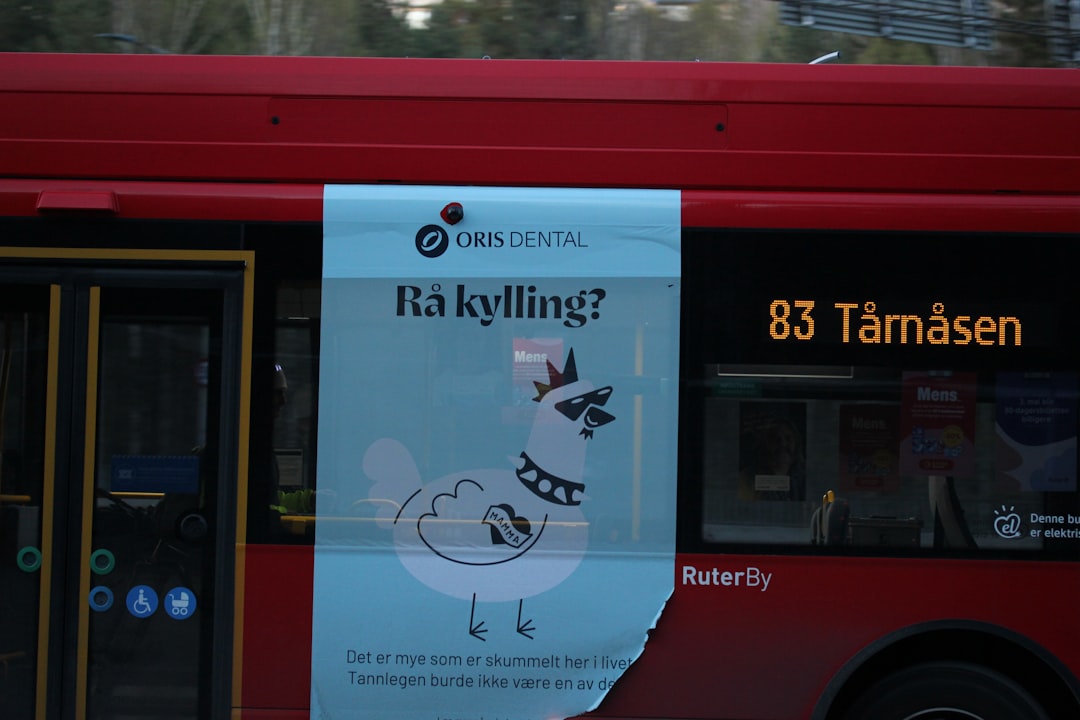
Dental logos have their own cliché set — the literal tooth, the toothbrush, the sparkle, the smiling-tooth mascot. Like the medical cross, the bare tooth icon is everywhere. You can absolutely use a tooth, but make it work harder: an abstract tooth formed from negative space, a tooth that doubles as a leaf or a person, or a clean monogram that drops the literal icon entirely.
For the full toolkit on symbolism, color, and reproduction, see our medical logo design guide — the same principles apply, just dialed warmer. Follow a real logo design process: audit competitors, sketch broadly, test in monochrome, and confirm the mark reads at appointment-card size and on the building.
- Avoid the default smiling-tooth mascot unless you’re firmly pediatric.
- Test the mark in one color; if a tooth icon turns to mush small, simplify it.
- Make sure the wordmark alone can stand in when the icon won’t fit.
Typography for Dental Practices
Friendly but legible is the brief. Rounded humanist sans-serifs hit the sweet spot: Mulish, Nunito Sans, and Poppins (all free) feel approachable without sacrificing clarity, which is ideal for anxiety-reducing family brands. For more clinical, premium practices, Inter or IBM Plex Sans (free) bring crisp, modern authority. A calm serif can add a premium note to a cosmetic practice’s display type.
Keep body copy in a clean sans at 16px or larger, use real hierarchy, and avoid thin weights. Many dental patients are older; legibility is part of the care experience, not a design afterthought.
Photography and Imagery
Dental photography is a cliché minefield — over-white teeth, gloved hands, fake grins. Direct for authenticity: natural light, genuine smiles, diverse and age-representative patients, and a clean but warm environment. Show the people and the calm, not just the equipment. For family and pediatric practices, real (consented) candid moments beat stock every time.
Patient-Facing Materials
The brand has to survive the front desk and the mailbox. Appointment cards, intake forms, treatment-plan handouts, and recall postcards all carry the identity — and they’re where clarity matters most. Apply generous white space, plain language, and a calm layout. Our guide to patient-friendly medical brochure design covers the layout and reading-level principles that keep these materials clear and reassuring.
The Practice Website and Online Presence
For most dental practices, the website is the first appointment. A prospective patient researching “dentist near me” decides in seconds whether you look modern, gentle, and trustworthy. Carry the brand straight into the site: same palette, same friendly type, the same authentic photography. Prioritize the things anxious patients actually want to know — services, what a first visit is like, financing and insurance, and an obvious way to book.
Practical essentials make or break the experience. Set body text at 16px or larger, use generous tap targets for thumbs, keep the booking flow short, and write microcopy in the same reassuring voice as everything else. Online reviews and before/after galleries (with documented patient consent) are powerful trust signals for dental specifically — design clear, tasteful space for them rather than letting them clutter the layout. A calm, clear site does more to win new patients than any clever tagline.
Differentiating in a Crowded Local Market
Dentistry is hyper-competitive locally — there are often several practices within a few blocks, many using near-identical teal-and-tooth identities. Differentiation rarely comes from the icon; it comes from a clear, ownable position and consistent execution. Maybe you’re the unhurried, anxiety-friendly practice; the high-tech same-day-crown practice; or the family practice that’s genuinely good with kids. Whatever it is, let that position drive the palette, type, voice, and photography so the whole brand says one thing convincingly. A focused, coherent identity beats a generically “nice” one every time, because patients remember practices that stand for something specific.
Bringing the System Together
A dental brand that wins is consistent across every touchpoint: logo, palette, type, signage, scrubs, website, and the tone of the appointment-reminder text. Document it in a short brand guide so the practice — and every vendor printing for it — stays on-brand. Consistency is what turns a friendly logo into a practice patients recommend.
- Define position: clinical-premium vs. warm-family.
- Build palette and type around that position, accessibility-checked.
- Design a distinctive, reproducible logo and wordmark.
- Art-direct authentic photography.
- Template the patient-facing materials and signage.
- Write it all into a concise brand guide.
Frequently Asked Questions
What colors are best for dental branding?
Blues, teals, and mints read clean and fresh, while soft pastels with a warm accent (coral, peach) reduce anxiety for families and kids. Cosmetic practices can go premium with navy and gold. Keep “clean” from becoming “cold” with a warm secondary, and confirm WCAG contrast.
How do I design a dental logo without the cliché tooth?
Make the tooth work harder or drop it. Use an abstract tooth from negative space, a tooth that doubles as a leaf or person, or a clean type-driven monogram. Avoid the default smiling-tooth mascot unless you’re firmly pediatric, and test the mark in one color at small sizes.
What fonts suit a dental practice?
Rounded humanist sans-serifs like Mulish, Nunito Sans, and Poppins (free) feel friendly and legible for family practices. Crisper faces like Inter or IBM Plex Sans (free) suit premium, clinical brands. Keep body copy 16px or larger and avoid thin weights, since many patients are older.
How does dental branding reduce patient anxiety?
Through warmth and clarity. Friendly palettes, rounded type, genuine photography of calm patients, generous white space, and plain language all signal “gentle and modern.” The brand becomes a promise that the visit will be reassuring, which directly counters the dread many patients bring with them.
How is dental branding different from general healthcare branding?
It follows the same trust-first healthcare rules but earns more permission to be bright, warm, and friendly because a key goal is defusing dental anxiety. Family and pediatric practices especially can use pastels, rounded type, and playful accents while still meeting accessibility standards.