Ruby Color Meaning and Symbolism
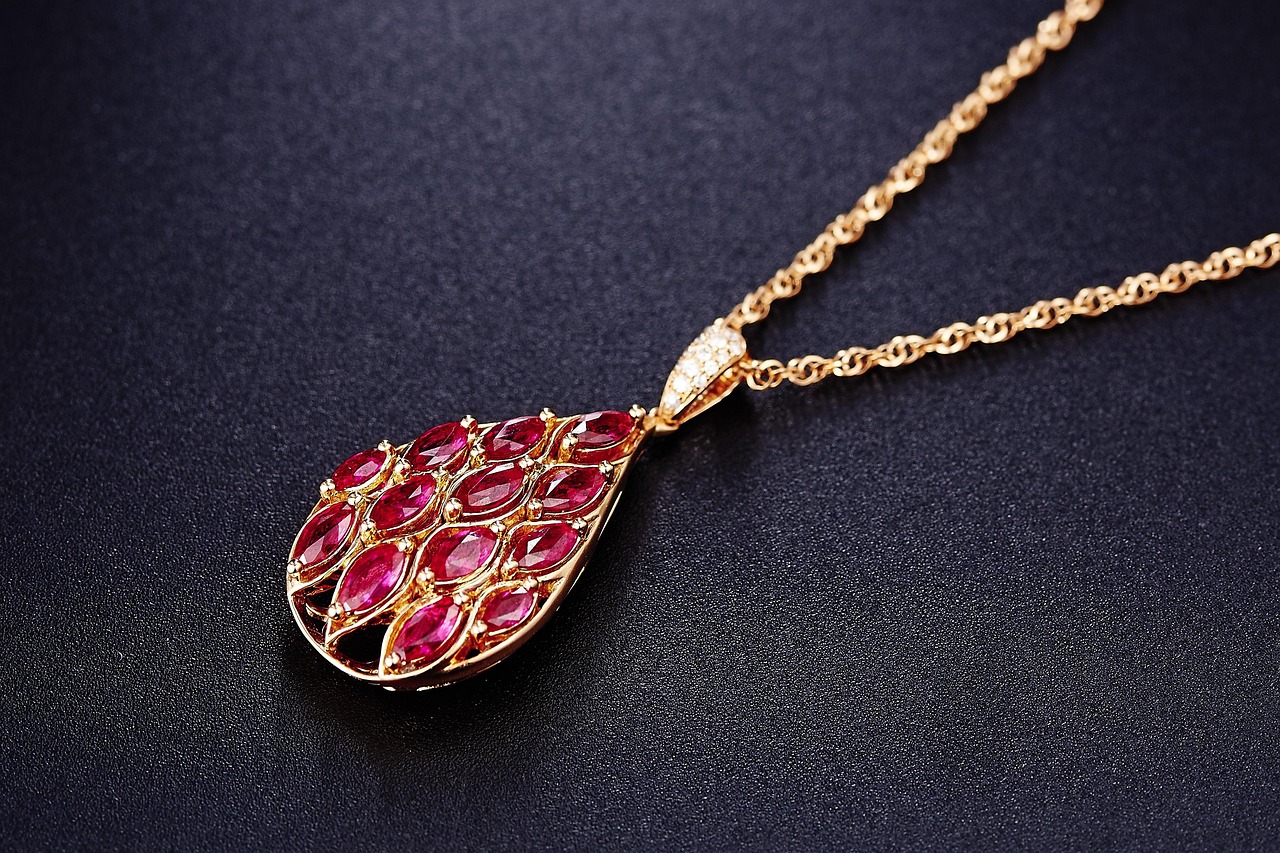
Ruby is a rich, saturated red named after the gemstone, and understanding the ruby color meaning reveals a hue charged with intensity and warmth . Deeper and slightly cooler than fire-engine red, ruby leans toward crimson with a jewel-like glow. The gemstone connection gives the color a sense of preciousness and drama, making it feel both luxurious and emotionally powerful.
What does ruby symbolize?
Ruby symbolizes passion, love, power, vitality and courage. As a deep red it carries the strongest associations of any warm color: the heart, blood, fire and desire. The gemstone has long been considered the “king of gems,” tied to royalty, protection and life force. Ruby therefore signals not just romantic love but also strength, ambition and the will to act. It can represent vitality and energy, but also commitment and devotion, depending on context. Because red is the color of blood, ruby is intimately connected to the body and to being alive, which is why it has historically been worn as a talisman for health, vigor and protection in battle. The gemstone overtone elevates these primal associations into something prized and ceremonial, so ruby simultaneously feels visceral and precious, raw passion refined into a jewel.
The psychology of ruby
Red is the most physically arousing color, capable of raising heart rate and drawing immediate attention, and ruby concentrates that energy into a refined, gemstone form. Psychologically, ruby stimulates excitement, confidence and a sense of urgency or importance. It can feel passionate and seductive, but also commanding and assertive. The slight pink-magenta undertone softens the aggression of pure red, lending ruby a more romantic, sensual character. This makes ruby especially effective when a design needs to feel desirable rather than alarming: it keeps the heat and urgency of red while trading some of its danger for allure. Because the eye is naturally drawn to red first, ruby also creates a sense of focus and importance, signaling that whatever wears it deserves attention. Used sparingly it electrifies a palette; used generously it can feel overwhelming, so balance is key. Explore how warm hues affect mood in our color psychology guide.
Ruby symbolism across cultures
Ruby holds esteemed meaning worldwide, though emphasis varies. In many Asian cultures, particularly in India and Myanmar, rubies were believed to protect warriors and bring prosperity and long life. In Hindu tradition the ruby is associated with the sun and is one of the most valued gemstones. In Western culture ruby is the July birthstone and a symbol of love, often given for fortieth wedding anniversaries. Red more broadly signals luck and celebration in China but mourning or caution elsewhere, so the ruby’s symbolism shifts with cultural framing.
Positive and negative associations of ruby
| Positive | Negative |
|---|---|
| Passion, love and romance | Aggression or anger |
| Power, courage and vitality | Danger or warning |
| Luxury, status and protection | Dominance or impulsiveness |
Ruby in branding and marketing
Brands choose ruby to project boldness, luxury and emotional intensity. Beauty and cosmetics labels favor it for lipsticks and packaging because it signals confidence and allure. Luxury fashion and jewelry brands use ruby to convey opulence and drama. Food and beverage brands employ red tones to stimulate appetite and grab attention, while ruby’s gemstone richness elevates that energy toward the premium end. Because it is attention-commanding, ruby also appears in calls to action and statement branding where standing out matters most. Automotive and entertainment brands occasionally use ruby to suggest power, speed and excitement with a premium gloss. In hospitality, deep ruby tones signal warmth, indulgence and a sense of occasion, which is why they show up in fine-dining interiors and upscale packaging. The color works hardest when a brand wants to evoke emotion and desire rather than calm reassurance, making it a deliberate choice for products tied to romance, luxury or celebration.
Colors that go well with ruby
Ruby pairs strikingly with cool and metallic tones. Gold (#FFD700) enhances its regal, luxurious quality. Deep teal (#008080) or emerald provides a rich, near-complementary contrast that makes ruby pop without clashing. Soft blush (#FFD9E0) creates a romantic, monochromatic harmony, while charcoal (#36454F) grounds the brightness for a sophisticated look. For a true complement, a blue-green sits opposite ruby; see our complementary colors guide.
Shades and variations of ruby
Ruby overlaps with several reds. Standard ruby (#E0115F) carries a pink-leaning edge. Deeper variants approach crimson (#DC143C) and burgundy (#800020), which read as more wine-like and serious. Brighter relatives move toward scarlet and cardinal red. Cooler, pinker variations blend into raspberry and the related tones of contrasting jewel hues. Each shade shifts the balance between fiery energy and refined depth.
Frequently Asked Questions
What does the color ruby mean?
Ruby means passion, love, power and vitality. As a deep red gemstone tone it carries the heart-and-fire symbolism of red while adding luxury, courage and life force. It is widely read as a bold, emotionally charged color tied to romance, strength and ambition.
What emotions does ruby evoke?
Ruby evokes passion, excitement and confidence. The red base stimulates energy and attention, while the slight pink undertone adds romance and sensuality. It can feel commanding and assertive as well as warm, alluring and emotionally intense.
What colors go with ruby?
Ruby works well with gold, deep teal or emerald, soft blush and charcoal. Gold heightens luxury, teal and emerald provide rich contrast, blush creates romantic harmony, and charcoal grounds the brightness for a sophisticated, balanced palette.
Is ruby warm or cool?
Ruby is a warm color overall, since it is fundamentally a red. However, its pink-magenta undertone gives it a slightly cooler, more crimson character than pure orange-reds. Compare temperatures in our warm vs cool colors guide.
How is ruby different from crimson?
Ruby and crimson are both deep, slightly cool reds, but ruby leans a touch more vivid and pink-magenta like the gemstone, while crimson is a darker, more purplish red. Ruby tends to feel more luminous and jewel-like, whereas crimson feels denser and more dramatic.