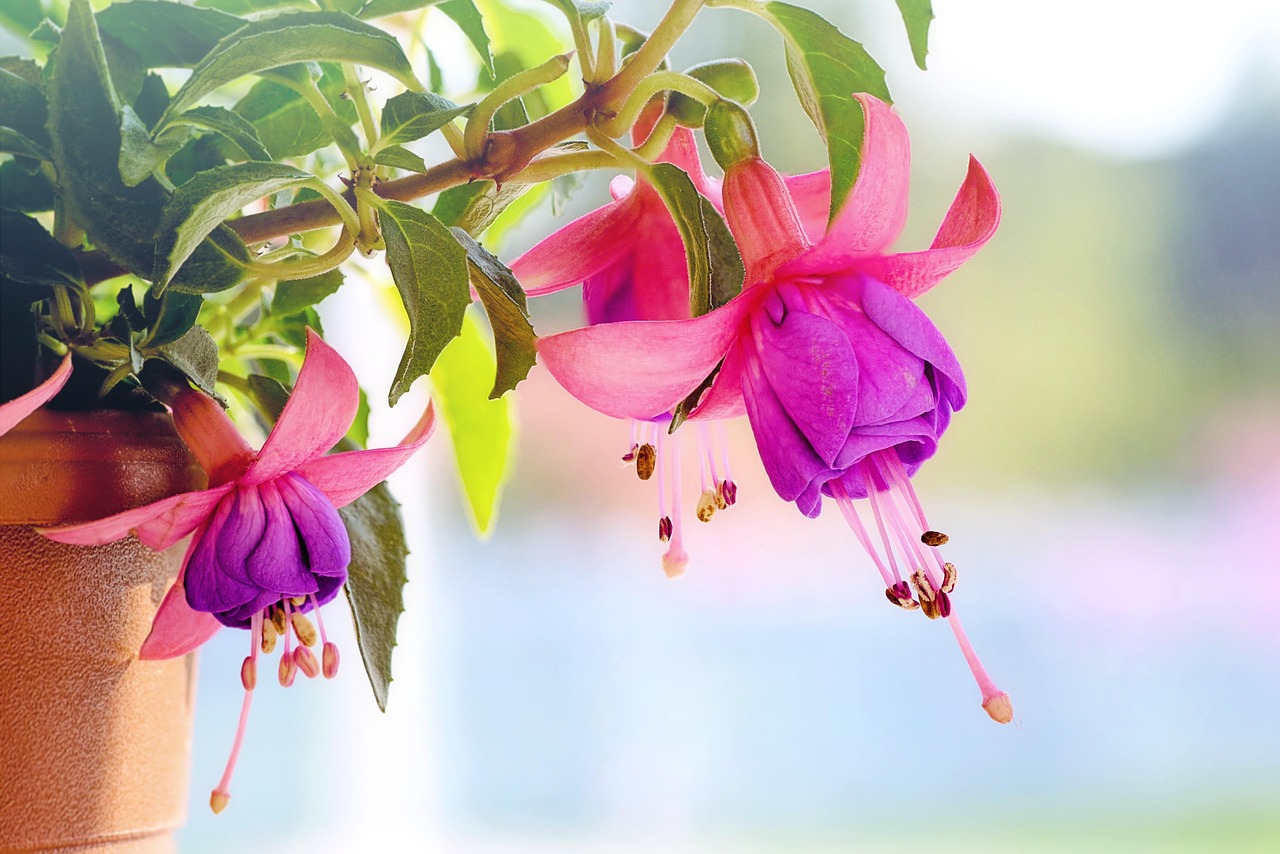
Fuchsia Color Meaning and Symbolism
Fuchsia is a brilliant, saturated pink-purple named after the fuchsia flower, and the fuchsia color meaning blends the warmth of pink with the depth of purple into something daring and expressive . In RGB color it is identical to magenta, one of the most vivid hues a screen can display. Fuchsia is loud, confident and unapologetic, making it a favorite for statements that refuse to be ignored.
What does fuchsia symbolize?
Fuchsia symbolizes confidence, playfulness, femininity, creativity and nonconformity. Sitting between red’s passion and blue’s calm on the color wheel, this pink-purple carries the emotional warmth and romance of pink alongside purple’s associations with imagination and individuality. The result is a color that radiates self-assurance and fun. Fuchsia often represents boldness, originality and a free-spirited refusal to blend in, making it a symbol of vibrant personality and expressive energy. Interestingly, magenta and fuchsia have no single wavelength of light of their own; the brain constructs them by mixing red and blue, which gives the color a slightly unreal, attention-seizing quality. That technical curiosity reinforces its symbolic role as the hue of imagination and invention, a color that exists because perception wills it into being. Fuchsia therefore tends to feel modern, synthetic and unmistakably deliberate.
The psychology of fuchsia
Fuchsia is energizing and uplifting, combining pink’s nurturing, lighthearted feel with the stimulation of a highly saturated hue. Psychologically, it boosts mood, sparks playfulness and projects confidence, often reading as cheerful and assertive at once. The purple undertone adds a creative, slightly mysterious dimension that keeps fuchsia from feeling merely sweet. Because it is so intense, it can feel overwhelming in large doses, so it frequently shines as a high-impact accent. Fuchsia also tends to feel empowering and extroverted, which is why it is so often chosen to signal celebration, fearlessness or a break from convention. It carries less of the softness associated with pale pinks and more of the punch of a primary color, so it reads as grown-up and assertive rather than delicate. This combination of warmth, vibrancy and edge makes fuchsia a deliberate emotional statement wherever it appears. Explore more in our color psychology guide.
Fuchsia symbolism across cultures
Fuchsia is named after the flowering plant, which itself honors the 16th-century botanist Leonhart Fuchs, so the color carries a botanical heritage. As a vivid pink, it shares pink’s modern Western associations with femininity, romance and youth, though those links are culturally constructed and relatively recent. In contemporary design and pop culture, fuchsia and magenta have become emblems of boldness, queer pride and fashion-forward expression. Because bright pinks read differently across cultures, fuchsia’s symbolism is best understood within its specific context.
Positive and negative associations of fuchsia
| Positive | Negative |
|---|---|
| Confidence and boldness | Brashness or excess |
| Playfulness and creativity | Overstimulation |
| Individuality and self-expression | Immaturity or gaudiness |
Fuchsia in branding and marketing
Brands choose fuchsia to appear bold, modern and energetic. Beauty, cosmetics and fashion brands favor it to convey confidence, glamour and youthful fun. Tech and entertainment companies use it to signal innovation and a playful, attention-grabbing identity. Because it is so vivid, fuchsia works powerfully in packaging, campaigns and digital interfaces that need to feel fresh and stand out. It often targets audiences who value originality, creativity and self-expression over tradition. Because fuchsia reads as both warm and electric, it can make a brand feel approachable and exciting at the same time, which is valuable for products competing for attention online. Used as a dominant brand color it signals fearlessness; used as an accent it injects a jolt of personality into an otherwise neutral system. Either way, fuchsia rarely goes unnoticed, which is precisely the point for the brands that choose it.
Colors that go well with fuchsia
Fuchsia pairs strikingly with both contrasting and grounding tones. Teal or aqua (#008080) sits near its complement, producing a vibrant, balanced contrast. Deep purple (#4B0082) creates a rich, harmonious blend that deepens its intensity. Crisp white (#FFFFFF) keeps it clean and fresh, while charcoal (#36454F) or black tempers its loudness for a sophisticated edge. For more opposite-wheel ideas, see our complementary colors guide.
Shades and variations of fuchsia
Fuchsia spans the pink-purple range. The web “fuchsia”/magenta (#FF00FF) is the most vivid reference. Slightly redder versions include hot pink and rose. Deeper, more purple variants approach orchid and violet. Softer versions move toward pink and the gentler tones often paired with jewel reds like ruby. Muted fuchsia can read as mauve, which feels more understated and refined.
Frequently Asked Questions
What does the color fuchsia mean?
Fuchsia means confidence, playfulness, femininity, creativity and nonconformity. As a vivid purplish-pink it blends pink’s warmth and romance with purple’s imagination, producing a bold, self-assured color tied to originality, fun and expressive individuality.
What emotions does fuchsia evoke?
Fuchsia evokes excitement, joy and confidence. Its saturated brightness lifts mood and energizes, while the pink base feels playful and warm and the purple undertone adds creativity. It tends to feel cheerful and assertive, though it can overwhelm in large amounts.
What colors go with fuchsia?
Fuchsia works well with teal or aqua, deep purple, white and charcoal. Teal provides vibrant complementary contrast, purple deepens it harmoniously, white keeps it fresh, and charcoal or black adds sophistication and balance.
Is fuchsia warm or cool?
Fuchsia sits between warm and cool. Its pink and red components pull it warm, while its purple and blue components pull it cool, giving it a balanced, in-between character. Bluer fuchsia feels cooler. See our warm vs cool colors guide.
Is fuchsia the same as magenta?
In digital RGB color, fuchsia and magenta share the identical hex code #FF00FF, so they are technically the same on screen. In traditional or print contexts, fuchsia is sometimes described as a slightly more purple or pinkish version, but the two names are largely interchangeable.


