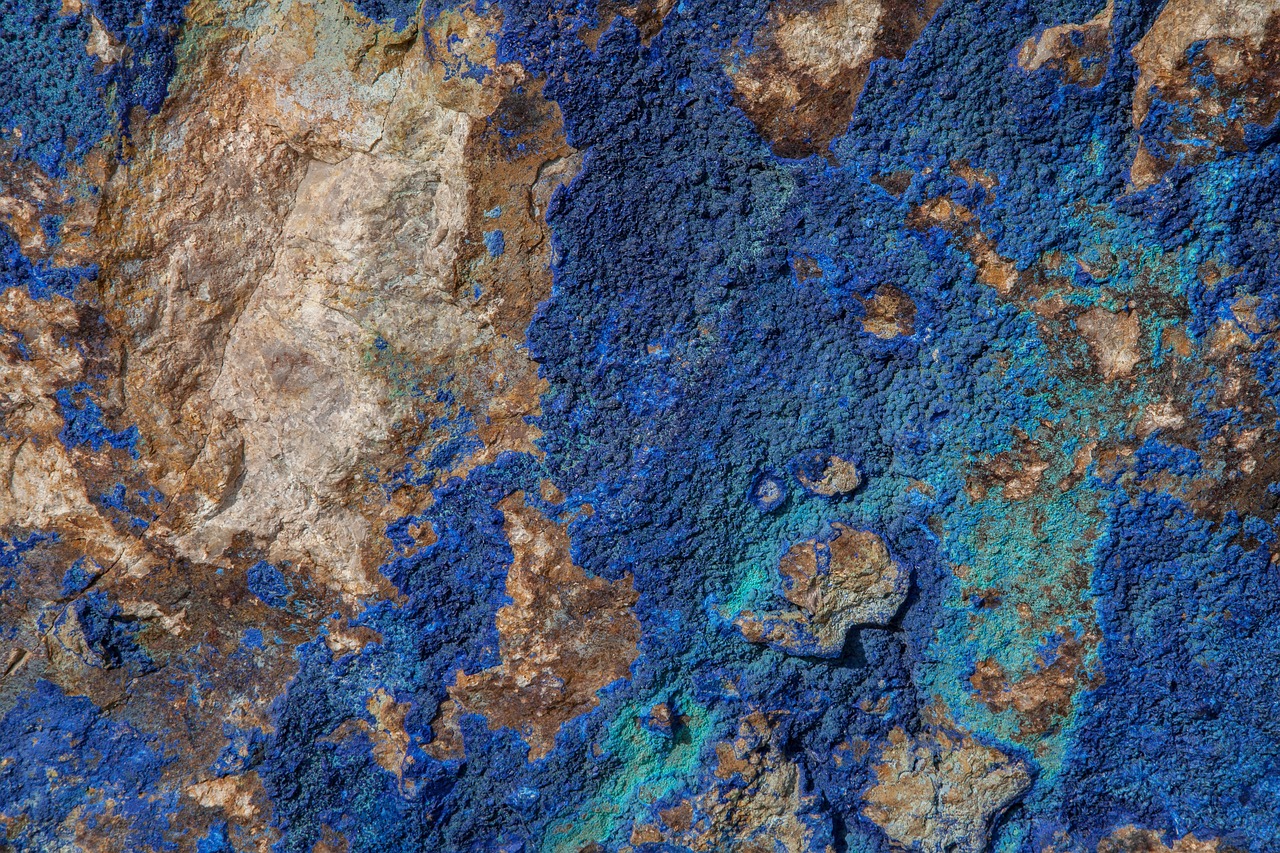
Azure Color Meaning and Symbolism
Azure is a vivid blue evoking a clear daytime sky, and the azure color meaning centers on tranquility, freedom and open space . The name comes from lapis lazuli, the deep-blue stone once ground into precious pigment. Note that the term carries two senses: the bright sky-blue azure (#007FFF) most people picture, and the very pale web color named “azure” (#F0FFFF), which is almost white with a faint blue tint.
What does azure symbolize?
Azure symbolizes serenity, openness, freedom, calm and the sky itself. As a clear, bright blue it draws on the universal associations of open skies and calm seas, suggesting peace, clarity and limitless possibility. It often represents hope, inspiration and a sense of spaciousness and lightness. Because azure is brighter and airier than deep blues, it leans toward optimism and freedom rather than the gravity of navy, making it feel uplifting and unburdened. The connection to the open sky gives it an aspirational quality, suggesting horizons, escape and the freedom to imagine. Unlike heavier blues that signal authority and seriousness, azure invites lightness and possibility, which is why it is so often linked with daydreaming, travel and fresh starts. It is the blue of good weather and clear thinking, a color that seems to widen rather than enclose.
The psychology of azure
Blue is the most universally favored color and is strongly tied to calm, trust and mental focus, and azure expresses these qualities in a light, refreshing form. Psychologically, azure can lower perceived stress and create a feeling of openness and ease, much like looking up at a clear sky. Its brightness keeps it from feeling heavy or somber, instead promoting clarity, optimism and gentle energy. The hue invites a sense of breathing room and mental space, supporting relaxation and reflection. Because it is light yet still clearly blue, azure manages to feel both calming and gently energizing, avoiding the heaviness that can make darker blues feel melancholic. This makes it well suited to spaces and products meant to feel fresh, clean and welcoming rather than imposing. It can cool a room visually and create an impression of cleanliness and air, which is why it appears so often in bathrooms, healthcare settings and summer-season design. Its overall effect is one of relief and openness. Explore more in our color psychology guide.
Azure symbolism across cultures
Azure’s history is bound to lapis lazuli and the ultramarine pigment derived from it, which was so costly in medieval Europe that artists reserved it for sacred subjects like the robes of the Virgin Mary, linking azure to the divine and the heavenly. In heraldry, “azure” is the formal term for blue and signifies loyalty and truth. In many cultures the sky-blue tone is associated with protection, spirituality and good fortune. As with blue generally, exact meanings vary by tradition and context.
Positive and negative associations of azure
| Positive | Negative |
|---|---|
| Serenity, calm and peace | Coldness or detachment |
| Openness, freedom and clarity | Aloofness or emptiness |
| Optimism, hope and inspiration | Passivity or distance |
Azure in branding and marketing
Brands use azure to feel open, trustworthy and refreshing. Technology and cloud companies favor sky blues to suggest clarity, reliability and limitless possibility. Travel, airline and leisure brands tap azure’s connection to clear skies and open water to evoke escape, freedom and relaxation. Wellness, healthcare and hydration brands use it to convey cleanliness, calm and renewal. Because azure feels light and approachable rather than heavy, it suits brands aiming to appear friendly, modern and aspirational.
Colors that go well with azure
Azure pairs beautifully with warm and neutral accents. Coral or warm orange (#FF7F50) sits near its complement, creating a fresh, lively contrast like sky meeting sunset. Crisp white (#FFFFFF) keeps the palette clean and airy, reinforcing its openness. Sandy beige (#F5DEB3) evokes beach-and-sky harmony, while soft yellow (#FFE680) adds cheerful warmth. For more opposite-wheel ideas, see our complementary colors guide.
Shades and variations of azure
Azure spans light, bright blues. Classic azure (#007FFF) is the vivid sky-blue reference. The web color “azure” (#F0FFFF) is a pale near-white tint. Related lighter blues include cerulean, sky blue and baby blue. Deeper relatives move toward the richer tones of cobalt and sapphire. For the full blue spectrum, explore our shades of blue overview.
Frequently Asked Questions
What does the color azure mean?
Azure means serenity, openness, freedom and calm. As a bright sky blue it evokes clear skies and open seas, symbolizing peace, clarity and limitless possibility. It leans optimistic and airy, suggesting hope and inspiration rather than the weight of darker blues.
What emotions does azure evoke?
Azure evokes calm, openness and optimism. Its bright, sky-like quality eases stress and creates a feeling of spaciousness and freedom, much like gazing at a clear sky. It tends to feel uplifting, refreshing and reassuring rather than heavy or somber.
What colors go with azure?
Azure works well with coral or warm orange, white, sandy beige and soft yellow. Coral provides lively complementary contrast, white keeps it airy, beige evokes a beach palette, and soft yellow adds cheerful warmth for a fresh, open look.
Is azure warm or cool?
Azure is a cool color. It is a bright blue, placing it on the cool side of the wheel, which contributes to its calming, serene feel. Its lightness makes it feel airy rather than icy. Compare in our warm vs cool colors guide.
Why is web “azure” almost white?
In web and CSS color, “azure” is defined as #F0FFFF, a very pale, near-white tint with a faint blue-green cast, named for the lightest hint of sky color. This differs from the bright sky-blue azure (#007FFF) most people picture, so the same word refers to two quite different tones.