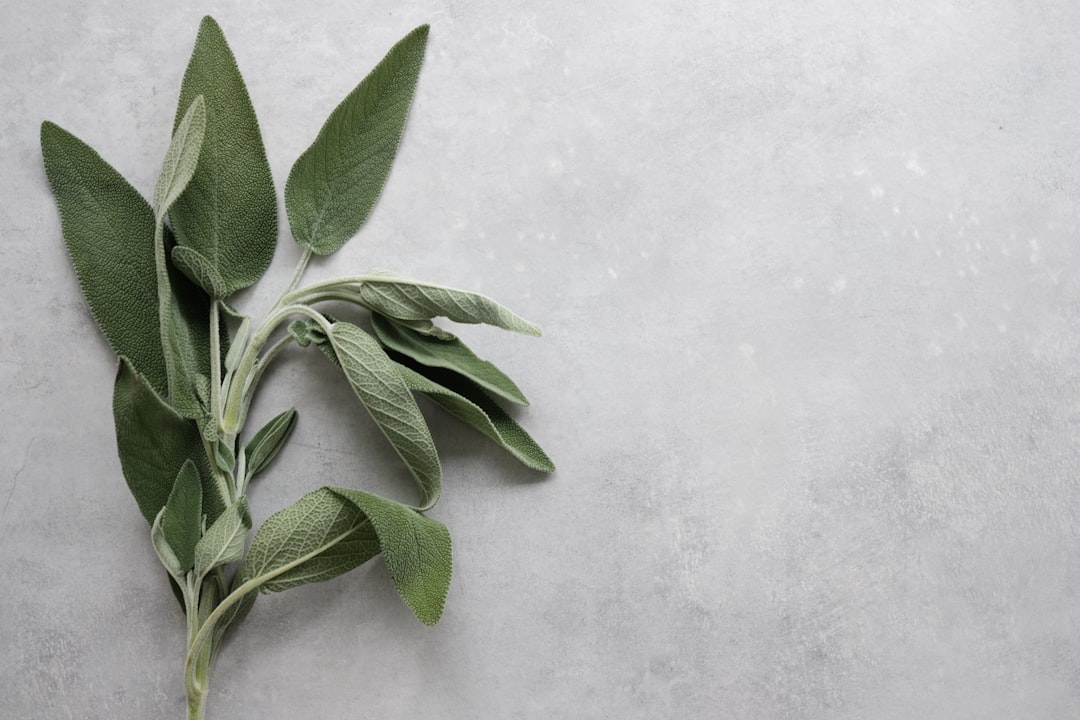
Shades of Sage: Names and Hex Codes
This is a practical reference for the most useful shades of sage, with accurate hex codes, RGB values, and notes on character and use. Sage is a soft, greyed green named after the herb — quieter than emerald, warmer than mint, and far more muted than a primary green. Small shifts toward grey, yellow, or blue turn it from a fresh garden green into a dusty neutral or a deep eucalyptus, so the right sage depends entirely on the mood you want. Use the table below as a citable palette, then read on for how the shades group together.
For how sage compares with its close relatives, see sage vs mint and sage vs olive green; for the symbolism, read color psychology. The dusty purples that pair with it are covered in our shades of mauve reference.
Shades of sage: full table
| Shade name | Hex | RGB | Notes |
|---|---|---|---|
| Sage | #9CAF88 | 156, 175, 136 | Soft greyed garden green. |
| Light Sage | #C1CCB5 | 193, 204, 181 | Pale, airy sage. |
| Dark Sage | #5F6F52 | 95, 111, 82 | Deep earthy forest-sage. |
| Sage Gray | #B2AC88 | 178, 172, 136 | Yellow-grey sage neutral. |
| Dusty Sage | #9DA68F | 157, 166, 143 | Muted grey-green sage. |
| Eucalyptus | #44735B | 68, 115, 91 | Deep blue-green sage. |
| Pale Sage | #D6DDC8 | 214, 221, 200 | Very light tint of sage. |
| Sage Green Gray | #849483 | 132, 148, 131 | Neutral cool grey-sage. |
| Mid Sage | #7D8C6A | 125, 140, 106 | Balanced true sage. |
| Soft Sage | #A8B99C | 168, 185, 156 | Gentle muted sage. |
| Forest Sage | #6B7A5A | 107, 122, 90 | Deeper woodland sage. |
| Sage Mist | #BCC4A6 | 188, 196, 166 | Hazy pale yellow-sage. |
| Olive Sage | #8A9A5B | 138, 154, 91 | Yellow-green olive-sage. |
| Deep Sage | #4F5D45 | 79, 93, 69 | Dark muted forest-sage. |
| Garden Sage | #A3B18A | 163, 177, 138 | Fresh herbal sage. |
| Sage Shadow | #5E6650 | 94, 102, 80 | Dim greyed deep sage. |
| Sage Tint | #CCD3BE | 204, 211, 190 | Barely-there pale sage. |
| Sea Sage | #7A8B6F | 122, 139, 111 | Cool blue-leaning sage. |
| Spring Sage | #B7C4A0 | 183, 196, 160 | Light yellow-green sage. |
| Herb Sage | #6E7F5C | 110, 127, 92 | True medium herbal sage. |
| Sage Smoke | #9FAE99 | 159, 174, 153 | Smoky grey-green sage. |
| Sage Black | #3F4A38 | 63, 74, 56 | Near-black deep sage. |
| Stone Sage | #88937A | 136, 147, 122 | Earthy stone-grey sage. |
| Jade Sage | #5C7457 | 92, 116, 87 | Cooler jade-leaning sage. |
| Willow Sage | #C7CDB7 | 199, 205, 183 | Soft willow-grey sage. |
| Moss Sage | #74835F | 116, 131, 95 | Earthy moss-leaning sage. |
Light and pastel sages
The lightest sages read as airy and almost neutral. Light Sage (#C1CCB5), Pale Sage (#D6DDC8), Sage Tint (#CCD3BE), Sage Mist (#BCC4A6), and Soft Sage (#A8B99C) are the soft, low-saturation greens that work as backgrounds the way an off-white would. These pale sages are everywhere in modern interiors, weddings, and wellness branding because they feel fresh and calming without committing to a strong color. Barely-there options like Willow Sage (#C7CDB7) sit so close to a warm white that they read as a colored neutral rather than a green. They pair beautifully with cream, oak, and blush for a soft, organic palette, and because they reflect a lot of light they keep small rooms and dense layouts feeling open rather than closed in.
True mid sages
The defining sages sit in the middle, greyed but unmistakably green. Sage (#9CAF88), Mid Sage (#7D8C6A), Garden Sage (#A3B18A), Herb Sage (#6E7F5C), and Dusty Sage (#9DA68F) are the herbal, balanced tones most people picture when they hear the word. The named Sage at #9CAF88 is the reliable default — green enough to register, grey enough to stay calm. Earthier variants such as Moss Sage (#74835F) deepen the green slightly for a more foraged, woodland feel. These mid sages are the workhorses of botanical branding and earthy palettes, holding their color well in both print and on screen, and they sit comfortably as the dominant hue in a layout without tiring the eye the way a saturated green would.
Grey and neutral sages
Pull sage toward grey and it becomes a true neutral. Sage Gray (#B2AC88), Sage Green Gray (#849483), Stone Sage (#88937A), Sage Smoke (#9FAE99), and Sage Shadow (#5E6650) carry so much grey they behave like warm or cool greys with a green cast. These neutral sages are ideal for large surfaces, cabinetry, and UI backgrounds where you want subtle warmth rather than a statement. For how sage compares to the warmer olive direction, see sage vs olive green.
Deep and cool sages
The richest sages go dark or blue-toned. Dark Sage (#5F6F52), Deep Sage (#4F5D45), Forest Sage (#6B7A5A), and Sage Black (#3F4A38) are the deep, woodland tones that anchor a palette and read as grounded and natural. Cool the hue toward blue and you reach Eucalyptus (#44735B), Sea Sage (#7A8B6F), and Jade Sage (#5C7457), which feel fresher and more spa-like. These deep and cool sages work as headers, accents, and rich backgrounds where a pale sage would disappear. The blue-green eucalyptus end borders on mint — see sage vs mint.
Most popular shades of sage
The sages most people name and use are Sage (#9CAF88) as the balanced baseline, Light Sage (#C1CCB5) for an airy background, Dark Sage (#5F6F52) for a deep anchor, Sage Gray (#B2AC88) for a near-neutral, and Eucalyptus (#44735B) for a cooler blue-green. Together they cover pale through mid to deep, which is why they anchor most organic, earthy palettes.
How to use shades of sage in design
Sage signals calm, growth, and natural balance, so it lifts palettes that want to feel grounded and organic without going loud. Use pale sages like Light Sage and Pale Sage for backgrounds and large surfaces; use mid sages like Sage and Garden Sage as the primary brand green; and reserve deep sages like Dark Sage and Eucalyptus for anchors, headers, and accents. Sage pairs beautifully with cream, terracotta, oak, blush, and warm grey, evoking nature, wellness, and quiet sophistication. The main risk is that an all-muted sage palette can feel flat, so build contrast by combining a deep forest sage with a clean cream or a warm terracotta accent. A reliable approach treats a deep sage as your anchor, a mid sage as the primary, and a pale sage or neutral for backgrounds. Because sage reads as natural and restful, it suits wellness, beauty, home, and sustainable brands particularly well. When sage is your dominant brand color, vary its lightness generously across the layout, since a flat field of a single mid-sage can feel institutional, whereas a pale sage background with a deep sage anchor reads as considered and organic.
Frequently Asked Questions
What is the hex code for sage green?
The most common hex code for sage green is #9CAF88 (RGB 156, 175, 136), a soft greyed green. For a lighter version use Light Sage (#C1CCB5), for a deeper one use Dark Sage (#5F6F52), and for a cooler blue-green sage use Eucalyptus (#44735B). Sage is defined by its muted, grey-tempered quality rather than any single exact value.
What is the difference between sage and mint?
Sage is a warm, greyed green that leans yellow and grey, while mint is a cooler, brighter green that leans blue and feels fresher. Sage reads as earthy and muted; mint reads as crisp and clean. The two meet at the eucalyptus end of sage, but sage is always dustier and mint always cooler.
How many shades of sage are there?
Sage variations are effectively limitless because sage spans the grey-green band, but designers typically reference 20 to 30 named shades. This list includes 24 of the most recognized, from pale tints through true herbal sages and grey neutrals to deep forest and eucalyptus tones.
What colors go well with sage green?
Sage green pairs naturally with cream, terracotta, oak, and blush for a warm, organic palette. For more contrast, combine sage with charcoal, navy, or mustard. Pale and dusty sages also work alongside mauve and soft gold for a calm, sophisticated scheme.


