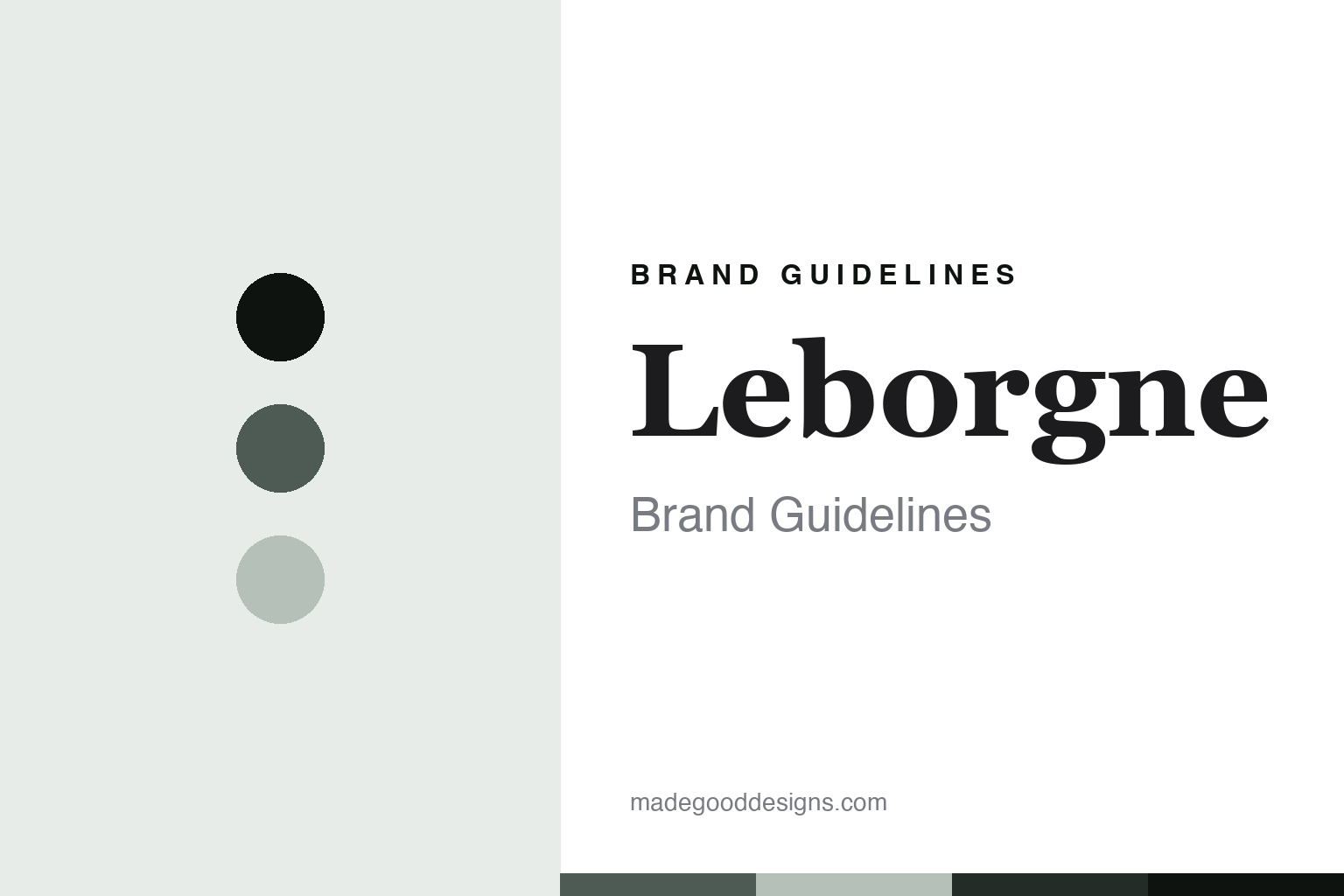
Leborgne Brand Guidelines
The Savoie forge.
Aa
Two constants: an alpine-steel palette and an alpine-serif register. Abstract homage — not a Leborgne tool or mark.
The Savoie forge
Leborgne is the French maker of forged striking and digging tools, forged in Savoie since 1829, once owned by Fiskars and now French-owned again.
Leborgne is the round’s French forge, striking and digging tools from the Alps. From Arvillard, in Savoie, Leborgne forges hammers, sledges and mallets, and digging tools — spades, forks, pickaxes, mattocks and splitting mauls — for construction, gardening and forestry. Its answer to how a maker becomes a name is Alpine forging plus ergonomics: forge tools in Savoie, and engineer anti-vibration handles for the people who swing them all day. A French tool, forged in the Alps.
Its identity is the Savoie forge. Leborgne’s Alpine forging, its striking and digging tools and its anti-vibration ergonomics are the work it is known for. A tool, forged in Savoie. A French forge in the mountains.
(Honest notes, so the story stays precise. Leborgne was founded in 1829 in Arvillard, in Savoie — then part of the Duchy of Savoy, which became French in 1860; the founder’s name is cited but we could not verify it, so we attribute it. On what it makes, striking tools (hammers, sledges, mallets) and digging and edge tools (spades, forks, pickaxes, mattocks, axes, splitting mauls), plus garden and forestry tools; its named ranges include the Nanovib anti-vibration tools and the Naturovert natural-gardening line. On where it is made — a theme of this round — its historic forge is at Arvillard, with a second Savoie site at La Rochette, and it leans on “made in Savoie”; honestly, for a full-line tool company that also sells a broad garden assortment, the exact French-versus-imported split is not published, so we say the Savoie forging is the verified core and flag the full split as unconfirmed. On ownership — the round’s dominant thread — Leborgne was owned by the Finnish Fiskars Group from 2007 to 2019, then divested; since 2019 it has been French-owned again, held by the family industrial holding Sextant within a French hand-tool group alongside the Mondelin and MOB brands. Its founding, and heritage claims such as a monastic forging lineage, we attribute as reported. Its name and marks are IP, described but never reproduced, and there is no official brand hex; these tones are an unofficial interpretation. This is design commentary and does not promote any product.)
Colour
Leborgne lives in an alpine-steel palette. Click a swatch to copy the hex.
Leborgne’s identity is forged, French and made — an alpine steel, an ink, an ash, a deep steel, and a paper. The palette leans alpine steel and ash: the register of a forged tool head and an ash handle. It signals mountain forging. The honest caveat: with no published brand hex, these values are an original, unofficial interpretation, not first-party colours.
The lesson is an alpine-steel palette signals a forged, made-in-Savoie identity. Leborgne’s world is a forged, steel-and-ash, French object. For designers, it is a reminder that a cool alpine steel and a soft ash can carry a mountain forge — the grey-green of forged steel and the neutral of an ash handle. Because these tones can fail as small text, keep type dark and let the colour live in the accents, palette and band. The takeaways: forge in the mountains; engineer the handle; be honest about the split; and treat any single hex as unofficial.
Typography
The register is an alpine serif — refined, French, made.
Leborgne’s identity carries a refined, French, made spirit — an Alpine forge, not a fashion label. An alpine serif captures the mood: traditional, elegant and sturdy, the register of a Savoie forge. Set in an alpine-steel palette, the alpine serif feels refined and made — exactly the personality Leborgne carries. It is mountain forging rather than a logo, mirroring a forged tool. (Leborgne’s real wordmark, and marks such as Nanovib and Naturovert, are things we describe but do not reproduce, and the exact typeface is not ours to use.) Because it is not ours to use, the honest description is “an alpine-serif spirit,” shown here in a stand-in. The type behaves like the forge: refined, French and made.
Aa
An alpine-serif spirit — refined and made. (Specimen set in Playfair Display, an alpine-serif STAND-IN; NOT the Leborgne logo or marks.)
The striking & digging tools
Leborgne stands for the Alpine forge that came home to France.
Leborgne is a lesson in how a forge and an ownership journey can be an identity. An alpine-steel palette, an alpine serif and a forged tool make one thing — the Savoie forge — the whole identity: forged, French and made. The Alpine forging is the differentiator, and the anti-vibration ergonomics are the meaning. The point is a French forge that has struck and dug tools in the Alps since 1829, and engineered them for the health of the people who use them.
Put to work, the identity is Alpine forging, honestly told, as design. A maker in this spirit would forge in the mountains, engineer the handle, and be honest about the make — hammers and spades, Nanovib handles, forged in Savoie. A brand learning from it would see that a place and a purpose is a durable identity — that a tool forged in the Alps and designed to spare the user’s joints carries a meaning a generic tool cannot — and that being precise, founded 1829 in Arvillard, French-owned again since 2019, keeps the story honest. Leborgne carries a fuller version of the round’s ownership thread: not just a sale, but a round trip — an independent French forge that spent 2007 to 2019 inside the Finnish Fiskars Group, and then came home to French ownership under Sextant. The honest editorial moves are to correct the Fiskars assumption to a past ownership, to say the Savoie forging is the verified core while the full French-versus-imported split is not, and to attribute the founder and the heritage claims. The lesson Leborgne teaches is that a forge can hold an identity across a change of owner: the Savoie making gives it substance, and the honesty about the ownership arc keeps it credible. The forge is the personality, and the Savoie-forged tool is the proof.
For designers and brand-builders, Leborgne holds the France pole in the striking & digging tools: forge in your place, and be honest about the ownership journey. The lessons: forge in-country; engineer for the user; verify the made-in core and flag the rest; state the ownership arc plainly; and never reproduce a logo. It is also a reminder to stay precise: Leborgne is the French maker of forged striking and digging tools, forged in Savoie since 1829, once owned by Fiskars and now French-owned again — with the palette here an unofficial interpretation. Leborgne made the Alpine forge the identity — proof that a Savoie-forged tool, honestly told, can be the difference.
Explore & save
Keep Leborgne’s identity on hand — save it to a board in the Made Good inspiration library.
Leborgne identity set
Pin the alpine-steel palette and the alpine-serif register to your own board.